
How To
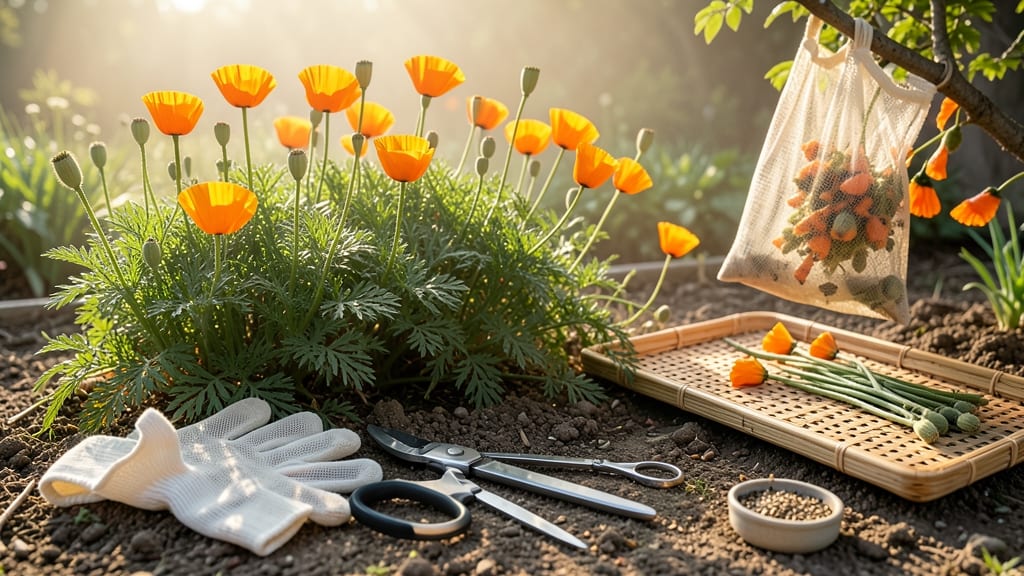
When to harvest poppy seeds: identifying the perfect cracking stage
Timing your poppy seed harvest is like catching a fleeting moment—wait too long, and the pods burst open, scattering seeds everywhere. The ideal harvest window arrives when seed pods turn from green to a dry, papery brown, just as they begin to crack open.
This usually happens 60–90 days after planting, depending on your climate and poppy variety.
For most ornamental poppies (like California poppies or corn poppies), harvest begins in late spring to early summer, typically May to June in USDA Zone 6a. In warmer regions, this window shifts slightly earlier, while cooler climates may delay harvest until early July.
Pay attention to temperature cues: pods dry fastest in warm, sunny weather with low humidity.
The perfect cracking stage is when pods develop tiny splits along their seams but haven’t fully opened. At this point, seeds are fully mature and viable, but the pod still holds them securely.
If you miss this stage, you’ll either have green, unripe pods (not ready) or empty, shattered pods (too late).
| Stage | Pod Appearance | Harvest Action | Best Time |
|---|---|---|---|
| Early Maturity | Green, firm, closed | Wait 1–2 weeks | Not ready |
| Ideal Harvest | Brown, dry, slight cracks | Collect pods daily | Morning, dry weather |
| Overripe | Shattered, empty, seeds scattered | Too late—salvage remaining seeds | Emergency harvest |
Annual poppies (like Papaver rhoeas) have a shorter window—often just 2–3 weeks—between ideal harvest and total seed loss. Perennial poppies (e.g., Iceland poppies) may offer a second harvest the following year if you leave some pods on the plant.
Always leave 20–30% of pods unharvested to ensure next year’s blooms.
Regional differences matter: In dry climates (like the Southwest), pods dry faster and may crack open by mid-May. In humid areas (e.g., Pacific Northwest), harvest might stretch into early July due to slower drying.
Check pods every 2–3 days once they turn brown to catch the peak harvest window.
Humidity is your enemy—high moisture levels can cause pods to mold or rot before cracking. If rain is forecasted, harvest immediately, even if pods aren’t fully dry. Store harvested pods in a paper bag (not plastic) to allow airflow and prevent moisture buildup.
A well-ventilated garage or shed is ideal for finishing the drying process indoors.
For ornamental poppies, harvest seeds in the morning when dew is present. This reduces the risk of seed loss from wind and ensures pods are at their driest.
If you’re harvesting for dried arrangements, collect fully open flowers (not pods) in the early morning and hang them upside down to dry completely before arranging.
Pro tip: Use a magnifying glass to inspect pods for tiny cracks. These are your signal to start harvesting. Once you see visible splits along the seams, act fast—pods can go from closed to shattered in hours, especially in hot, dry conditions.
Remember, patience is key. Rushing the harvest means immature seeds that won’t germinate, while waiting too long means scattered seeds and lost yield. With practice, you’ll learn to read your poppies like a pro and never miss a harvest again. 🌸
When to harvest poppy seeds: identifying the perfect cracking stage
Harvesting poppy seeds at the right moment transforms a simple garden task into a rewarding experience. The key is watching for seed pods that turn from green to brown while still feeling slightly crisp to the touch.
This stage, called physiological maturity, ensures seeds are fully developed but haven't yet scattered. For most ornamental poppies, this typically occurs 60-90 days after planting, depending on your climate.
Regional differences play a huge role in timing. In cooler climates (USDA Zones 3-5), seed pods often mature in late May to early June, while warmer zones (6-9) may see harvests as early as April or as late as July.
Pay attention to your local last frost date—harvesting too early risks immature seeds, while waiting too long means losing seeds to wind or wildlife.
Here’s how to spot the perfect harvest window: Look for pods that have dried to a papery texture but haven’t yet split open. A gentle squeeze should reveal rattle-like seeds inside.
If pods are still green or leathery, they need more time. Conversely, if they’re already cracked and empty, you’ve missed your chance.
| Stage | Pod Appearance | Harvest Readiness | Action |
|---|---|---|---|
| Early Maturity | Green, firm pods | Not ready | Wait 1-2 weeks |
| Ideal Harvest | Brown, papery, slightly crisp | Ready | Harvest immediately |
| Overripe | Cracked, empty pods | Too late | Collect fallen seeds |
Environmental factors like humidity and temperature also influence timing. Dry, warm conditions speed up pod drying, while damp weather can delay maturity. If rain is forecasted, harvest a day early to avoid mold or seed loss.
For annual poppies, prioritize harvesting seed pods before the plant senesces—this usually happens 4-6 weeks after flowering.
Pro tip: Mark your calendar when the first 10-15% of pods turn brown. This gives you a heads-up to monitor the rest of your plants closely. Use a small notebook or garden journal to track pod development year after year—you’ll start recognizing patterns unique to your microclimate.
Remember, the earlier you harvest, the more viable seeds you’ll collect. Freshly harvested poppy seeds have the highest germination rates, so don’t wait until pods are fully cracked.
With practice, you’ll develop an eye for the perfect moment—when the pods are dry enough to harvest but haven’t yet released their precious cargo to the wind.