
How To
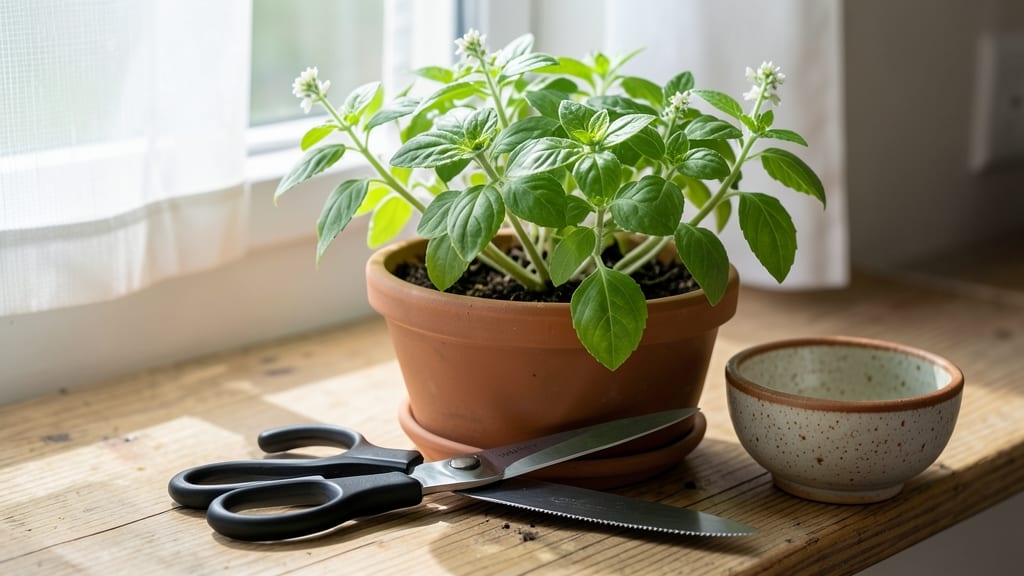
There’s nothing quite like the bright, citrusy aroma of freshly harvested lemon basil—but keeping your plant thriving while ensuring a steady supply of leaves can feel like a balancing act.
The secret lies in mastering the cut-and-come-again method, a simple yet powerful technique that transforms sporadic harvests into a continuous bounty without sacrificing your plant’s health.
If you’ve ever wondered when to trim your 🍋 lemon basil or how to encourage bushier growth, you’re not alone. Many gardeners hesitate to harvest too much, fearing they’ll stunt their plant’s future productivity.
But with the right timing and technique—like snipping just ⅓ of the plant at a time—you can actually promote thicker, more flavorful regrowth while avoiding woody stems.
In this guide, I’ll walk you through the exact steps to harvest your lemon basil like a pro, from identifying the perfect moment (when leaves are fully developed and fragrant) to using the right tools and post-harvest care.
Whether you’re growing this versatile herb for cooking or decorative purposes, these insights will help you enjoy a year-round harvest from June through October.
Ready to turn your lemon basil into a thriving, productive powerhouse? Let’s dive into the game-changing method that’ll keep your plant happy—and your kitchen stocked with fresh, zesty leaves.
When and how to prune lemon basil for maximum growth
Timing your harvest correctly is the secret to keeping your lemon basil productive all season. The best time to prune is in the morning after dew dries, when leaves are dry but still crisp.
This gives your plant the entire day to recover before nightfall. Aim for spring through early fall—avoid heavy pruning as temperatures drop below 50°F, as this stresses the plant.
For optimal regrowth, harvest when your basil reaches 6-8 inches tall and has 4-6 sets of leaves. This ensures you're taking only ⅓ of the plant's foliage each time, leaving enough energy for new growth.
If you wait until stems become woody or flower spikes appear, your plant will bolt, and the flavor will suffer.
Seasonal adjustments matter: in summer heat, harvest more frequently to prevent bolting, while in spring and fall, reduce pruning to let the plant store energy for winter. Always use clean, sharp pruners to avoid damaging stems or spreading disease.
| Growth Stage | Harvest Timing | Pruning Technique | Seasonal Notes |
|---|---|---|---|
| Seedling (0-6 in) | None | Pinch top leaves | Spring only |
| Established (6-12 in) | Every 3-4 weeks | Cut ⅓ of outer stems | Summer peak |
| Mature (12-24 in) | Every 2-3 weeks | Remove flower buds | Fall transition |
| Late Season (Post-Frost) | Minimal harvest | Trim dead growth | Winter prep |
Never cut into woody stems—these won't regrow. Instead, always snip just above a leaf node (the point where leaves meet the stem). This encourages branching and a bushier plant. For container-grown basil, rotate pots weekly to ensure even sunlight exposure, which prevents lopsided growth.
Watch for flower buds—these signal the end of your plant's productive life. Remove them immediately to redirect energy back to leaf production. In USDA Zone 8 and warmer, you can extend harvests into late fall by protecting plants with frost cloth during cold snaps.
If your lemon basil starts looking leggy or sparse, it's time for a hard prune: cut back all stems to 4-6 inches tall. This drastic measure stimulates new growth but should only be done once per season, ideally in early spring.
Pro tip: Harvest before flowering for the best flavor. Once basil bolts, the leaves become bitter and less aromatic. Always store harvested leaves in damp paper towels in the fridge to preserve freshness for up to 5 days.
For outdoor gardeners, mulch around the base with straw or compost after pruning to retain moisture and deter weeds. This simple step can boost your plant's resilience during hot, dry periods.
Remember: consistency is key. Regular, light pruning keeps your lemon basil compact, flavorful, and productive all season long. With the right timing and technique, you'll enjoy a never-ending supply of fresh, citrusy leaves for cooking and garnishes.
Step-by-step cut-and-come-again method for continuous harvests
The cut-and-come-again method is the secret to harvesting lemon basil without killing your plant. This technique ensures continuous regrowth while keeping your herb flavorful and abundant. The key? Never take more than ⅓ of the plant at once, and always cut above a leaf node.
Start by selecting healthy stems with at least 4-6 leaves. Use clean, sharp pruning shears or scissors to avoid crushing stems. Cut just above a leaf node (where leaves meet the stem)—this encourages new branches to sprout from that point.
🌱 Pro Tip: Always sanitize your tools with rubbing alcohol before and after cutting to prevent disease spread.
Step-by-Step Cut-and-Come-Again Guide
- Step 1: Wait until plant reaches 6+ inches tall with 4-6 leaves per stem
- Step 2: Choose outer stems (avoid inner growth for now)
- Step 3: Cut ⅓ of the plant at a 45-degree angle above a leaf node
- Step 4: Repeat every 4-6 weeks or when new growth appears
- Step 5: After harvest, water deeply to encourage root growth
- Step 6: Fertilize lightly with balanced 5-10-5 every 6-8 weeks
After harvesting, your lemon basil should show new growth within 1-2 weeks. If you notice woody stems or sparse leaves, it's time to prune more aggressively—cut back half the plant to encourage bushier regrowth. This method works best during the growing season (spring to early fall).
For indoor plants, place them near a south-facing window after harvesting to maximize sunlight exposure. If growing outdoors, ensure 6+ hours of direct sun daily. Avoid harvesting in late summer as your plant may start bolting (flowering), which reduces flavor quality.
🌿 Quick Reminder: Always harvest in the morning when essential oils are at their peak for maximum flavor.