
How To
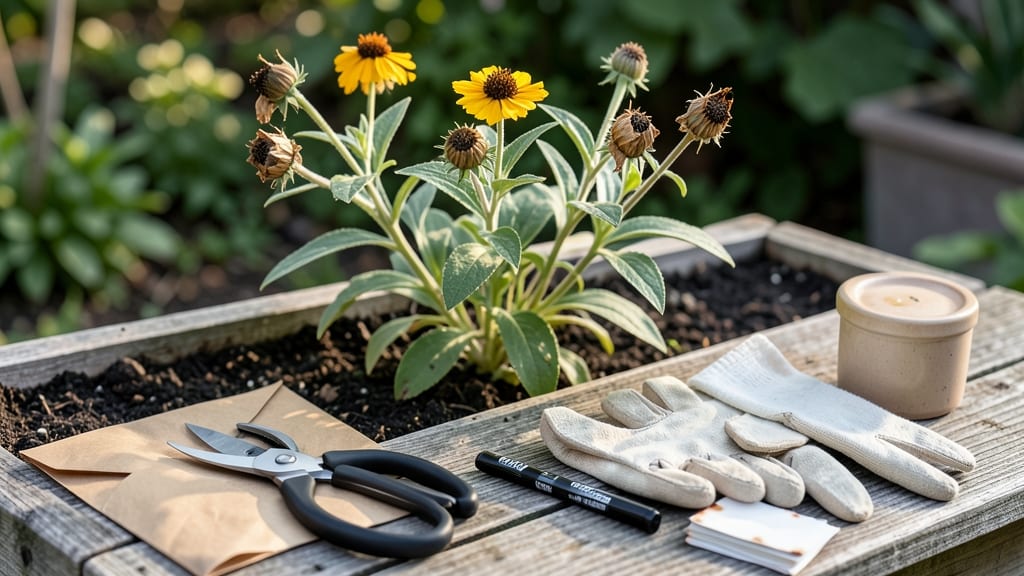
Harvesting Coreopsis seeds at the right time turns your garden into a seed-saving goldmine—but timing is everything. Those delicate 🌼 flowers hide seeds that only release when the pods crack open just so, and missing this window means scattered seeds or wasted effort.
If you've ever wondered why some gardeners seem to collect seeds effortlessly while others struggle, the answer lies in knowing when those brown, brittle seed heads are ready. The key is spotting the perfect moment—when the pods turn completely dry and start splitting on their own.
I'll show you exactly how to identify these ready-to-harvest seeds, plus the easiest methods for collecting them without damaging your plants. Whether you're saving seeds for next year's garden or sharing with fellow plant lovers, these steps will make the process simple and rewarding.
From avoiding common mistakes to storing seeds properly, you'll learn everything needed to turn your Coreopsis into a reliable seed source. Let's get started—your future garden begins with these tiny but mighty seeds.
When and how to identify Coreopsis seed pods ready for harvesting
Harvesting Coreopsis seeds starts with knowing the exact moment when those seed pods are ready to collect. The key is watching for visual cues that signal maturity—don’t harvest too early, or you’ll end up with immature seeds that won’t germinate.
I’ve learned the hard way that green seed pods mean wasted effort, so let’s focus on the three critical signs that tell you it’s time to act.
First, look for completely brown seed heads. When the pods turn from green to a deep, papery brown, they’re nearing readiness. This color change happens naturally as the seeds inside mature.
I always check my Coreopsis plants in late summer to early fall, typically around September, depending on your local climate.
Next, give the seed heads a gentle shake. If you hear seeds rattling inside, that’s a sure sign they’re ready for harvest. This sound means the seeds have fully developed and are loose within the pod.
I like to do this test in the morning when the pods are dry—wet conditions can give false readings.
- 🟤 Brown seed heads (no green left)
- 🔊 Seeds rattle when shaken gently
- ✂️ Brittle pods that break easily
- 🌸 Petals fallen off completely
The third clue is brittle texture. Mature seed pods should feel dry and crispy—almost like they’ll crumble at the slightest touch. If you try to snap one and it resists, wait a few more days.
I’ve found that pods left too long on the plant may split open on their own, scattering seeds everywhere, so timing is everything.
One common mistake is harvesting when the flower petals are still attached. These need to fall off completely before the seeds are ready.
I once tried collecting seeds too early because the pods looked dry, but the petals were still clinging on—those seeds didn’t germinate when I planted them later.
Environmental factors also play a role. If your area experiences early fall rains, the seed heads may stay moist longer, delaying maturity. In such cases, I recommend harvesting the pods early (when they’re 80% brown) and completing the drying process indoors to ensure seed viability.
For best results, harvest on a dry, sunny morning. This minimizes moisture in the pods and makes handling easier. I’ve noticed that seeds collected under these conditions store better and have higher germination rates. Just avoid harvesting after rain—wet pods can mold or attract pests.
Pro tip: If you’re unsure whether your seed heads are ready, do the float test. Drop a few pods in a bowl of water—if they sink, they’re not dry enough.
If they float, they’re ready to harvest! This simple trick has saved me from collecting immature seeds more times than I can count.
Once you’ve confirmed all three signs—brown color, rattling seeds, and brittle texture—you’re ready to move on to the harvesting process. The next step is collecting those seeds carefully to avoid wasting any of your hard work.
Step-by-step Coreopsis seed harvesting process for maximum yield
Once you’ve spotted those perfectly mature coreopsis seed pods, the next step is harvesting them with care to preserve seed viability. Start by gathering a few essential tools: pruning shears, a paper bag, and a flat surface for drying.
I like to work on a clean sheet of newspaper or cardboard to avoid losing any seeds during the process.
Gently snip the dry seed heads from the stem using your pruning shears, leaving about 1-2 inches of stem attached. This helps prevent the seeds from scattering as you handle them. Place the cut seed heads in your paper bag—this keeps everything contained and makes cleanup easier later.
- Step 1: Harvest dry seed heads when brown and brittle.
- Step 2: Snip with pruning shears, leaving 1-2" stem.
- Step 3: Place in paper bag to prevent seed loss.
- Step 4: Dry indoors for 1-2 weeks in a warm, dry spot.
- Step 5: Gently rub seed heads to release clean, viable seeds.
- Step 6: Store seeds in airtight containers in a cool, dark place.
After harvesting, let the seed heads dry indoors for 1-2 weeks in a warm, dry location away from direct sunlight. This step is crucial—it ensures the seeds fully mature and become easier to extract.
I’ve found that placing them in a brown paper bag with a few holes punched in it helps maintain airflow while preventing moisture buildup.
Once the seed heads are completely dry, gently rub them between your fingers or use a clean, dry cloth to release the seeds. The seeds should come out easily, leaving behind the empty seed pods.
If some seeds remain stubborn, you can lightly crush the dried pods with your fingers or a small rolling pin.
To store your harvested seeds, transfer them to an airtight container like a small glass jar or resealable plastic bag. Label the container with the harvest date and coreopsis variety (if known) to keep track of seed freshness.
Store the container in a cool, dark place, such as a pantry or seed storage box, where the temperature stays consistent.
With proper care, your coreopsis seeds can remain viable for 2-3 years, giving you plenty of time to grow new plants or share seeds with fellow gardeners. Just remember: patience is key—rushing the drying process can reduce seed quality, so take your time to do it right!