
How To
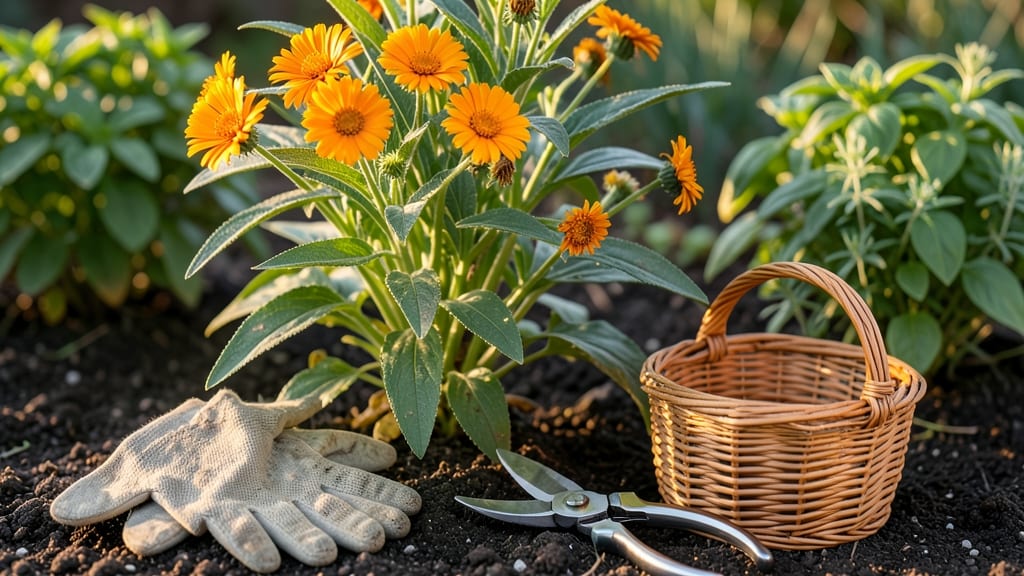
Harvesting calendula 🌼 at the perfect moment transforms your garden into a fragrant, therapeutic tea stash—if you know the best time and techniques. That bright orange bloom isn’t just pretty; it’s packed with anti-inflammatory and skin-soothing properties, but only when picked right.
Timing matters more than you’d think—morning harvests yield the freshest petals, while afternoon sun can make them wilt before you even dry them. Between July and October, your calendula plants are at their peak, but a single rainstorm can ruin your harvest if you’re not careful.
I’ll walk you through exactly which parts to pick (flowers for bold flavor, leaves for subtle notes), how to dry them properly, and where to store your stash so it stays potent for months. No more guessing—just a foolproof method for turning your garden into a homegrown apothecary.
Ready to turn those cheerful blooms into a soothing cup of tea? Let’s get started with the easiest steps to maximize flavor and benefits every time.
Best time to harvest calendula for maximum tea flavor and benefits
Harvesting calendula at the right time is key to unlocking its maximum flavor and therapeutic benefits for tea. The best time to pick calendula flowers is in the early morning, after the dew has dried but before the sun becomes too intense.
This timing preserves the essential oils and volatile compounds that give calendula its soothing properties and vibrant taste.
For optimal tea quality, focus on harvesting during the peak blooming season, typically between July and October in most climates. During these months, calendula flowers reach their full maturity, with petals that are bright orange or yellow and completely unfurled.
Avoid picking flowers that are partially closed or wilted, as they’ll yield weaker tea.
Seasonal timing matters too. In warmer climates, calendula may bloom continuously, while in cooler regions, you’ll get a single flush of flowers in late summer. Always harvest on dry, sunny days to prevent mold growth and ensure the best flavor profile for your tea.
When deciding whether to harvest flowers or leaves, remember that calendula petals are prized for their soothing, anti-inflammatory properties, while the leaves offer a milder, caffeine-free infusion. For the strongest tea, prioritize fully opened petals with a developed center disk—this indicates peak potency.
One of my favorite tricks is to harvest calendula flowers in stages throughout the day. If you must pick in the afternoon, choose flowers that have been open for at least 2-3 hours to ensure they’ve absorbed maximum sunlight and developed their full flavor profile.
Never harvest calendula after rain or heavy dew, as moisture can dilute the essential oils and lead to mold. Always use clean, sharp scissors or pruning shears to avoid damaging the plant, and cut stems at a 45-degree angle to encourage new growth.
🌼
- 🌱 Early Morning (Best Time): Pick after dew dries (6-9 AM) for peak essential oils.
- 🌞 Peak Season (July-October): Harvest when flowers are fully open and vibrant.
- ☀️ Sunny, Dry Days Only: Avoid rain or humidity to prevent mold and flavor loss.
- ✂️ Use Clean Tools: Sharp scissors prevent plant damage and contamination.
- 🌼 Prioritize Petals: Fully opened flowers with developed centers yield the strongest tea.
If you’re growing calendula in containers or pots, be mindful of space. Overcrowding can lead to smaller, less flavorful flowers, so prune regularly to encourage bushier growth. I’ve found that harvesting every 2-3 days during peak bloom keeps my calendula plants productive and healthy.
For those in USDA Zone 6a or cooler, plan to harvest calendula before the first frost, typically around late October. If frost threatens early, bring potted calendula indoors to a sunny windowsill to extend the harvest season.
Always leave at least 2-3 sets of leaves on the stem after harvesting to ensure the plant continues producing new blooms. This practice promotes longer harvest windows and keeps your calendula thriving for multiple tea batches.
🌿
Step-by-step guide to selecting and preparing calendula for tea
Once you’ve identified the perfect calendula blooms for harvesting, the next step is gentle handling to preserve their flavor and medicinal properties. Always use clean, sharp pruning shears to avoid crushing stems or damaging petals.
I like to harvest on a dry morning after any evening dew has evaporated—this ensures the petals stay crisp and vibrant.
For tea, focus on the fully open petals rather than the entire flower head. Remove any wilted or discolored petals immediately, as these can affect the taste. If you’re using leaves, pick the younger, tender ones near the stem tips, as they’re milder and more aromatic than mature foliage.
- After rain – Petals absorb moisture, leading to mold.
- With pesticide residue – Always grow organically for tea.
- When overripe – Brown, dried petals lose potency.
After harvesting, strip the petals from the stems by gently rubbing them between your fingers or using a small knife. For leaves, rinse them thoroughly under cool water to remove any dirt or debris. Pat everything dry with a clean towel or paper towels to speed up the drying process.
Drying is critical for preserving calendula’s aromatic oils and therapeutic compounds. I recommend air-drying in a well-ventilated area, like a mesh screen or hanging bundle, away from direct sunlight.
This typically takes 1-2 weeks, depending on humidity. For faster drying, use a dehydrator at 95°F (35°C) for 2-4 hours, checking frequently to avoid over-drying.
Once fully dry, store your calendula petals and leaves in airtight glass jars away from light and heat. Properly stored, they’ll retain their potency for up to 12 months. Label your jars with the harvest date to track freshness—older petals still work but may be less potent for tea.
With your calendula properly harvested and dried, you’re ready to brew a soothing cup of tea. The key is patience—rushing the drying process can diminish the flavor and healing properties you worked so hard to cultivate. 🌼