
Propagation
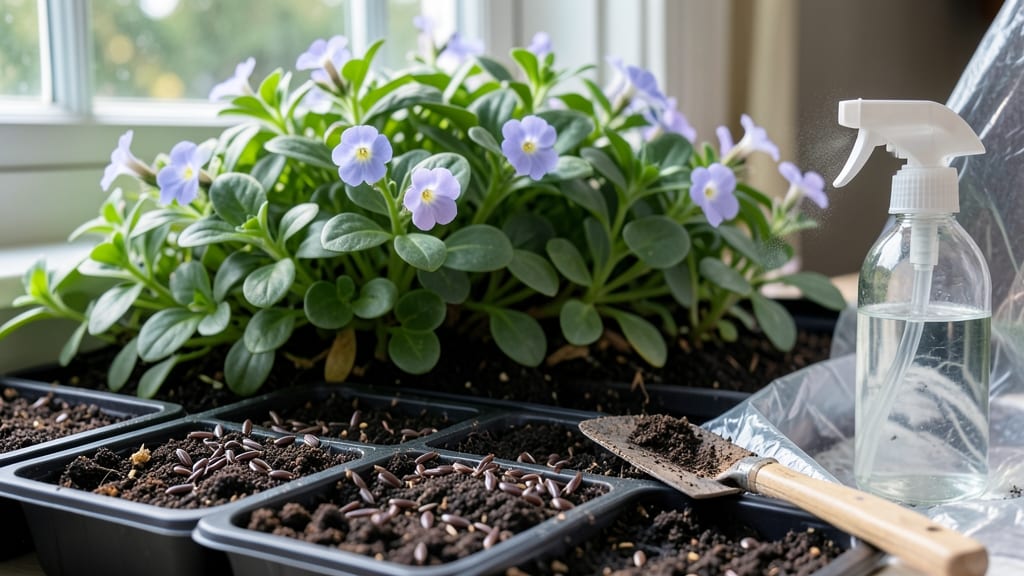
How to grow periwinkle from seed takes patience—but the payoff is worth it. 🌱 These hardy ground covers transform shady spots into lush, blue-purple carpets, and starting from seed gives you varieties you won’t find in nurseries. The trick? Cold treatment (stratification) breaks their stubborn dormancy, and I’ll show you exactly how to do it without fancy equipment.
You’ll need just three things: fresh seeds, a damp paper towel, and your fridge. Periwinkle seeds need this cold shock—skipping it means waiting months (or never) for germination. Plant them in well-draining soil, keep it consistently moist, and place them in bright, indirect light.
Most seeds sprout within 4-6 weeks after cold treatment, but some take longer—don’t give up!
Once those first tiny leaves appear, you’ll watch them fill out into dense mats of glossy foliage. By next spring, your shady corners will be bursting with vibrant blooms, and you’ll have a self-sustaining ground cover that spreads effortlessly.
The best part? These plants thrive in full shade, making them perfect for problem areas most gardeners ignore.
This method works for both Vinca minor (smaller, classic periwinkle) and Vinca major (larger, more vigorous). Start seeds indoors in early spring for fall planting, or sow directly in fall for a head start.
With the right approach, you’ll have a thriving periwinkle garden in just a season—no waiting years for slow-growing nursery plants.
📚 In This Guide
- What you need
- Instructions
- Tips and common mistakes
- Wrapping up and next steps
What you need
- ● Periwinkle seeds: Choose high-quality, fresh seeds (preferably from a trusted supplier). A small packet (around 0.1g) contains hundreds of seeds!
- ● Seed-starting mix: A well-draining, sterile mix (e.g., 50% peat moss + 50% perlite or coconut coir). Avoid garden soil—it’s too dense!
- ● Seed trays or small pots: 2–3 inch (5–7.5 cm) containers with drainage holes (or a seed-starting tray with individual cells).
- ● Clear plastic dome or plastic wrap: To create a mini greenhouse effect and retain moisture.
- ● Spray bottle: For gentle watering (avoid over-saturating seeds!).
- ● Grow lights or sunny windowsill: Periwinkle seeds need bright, indirect light (12–16 hours/day) to germinate.
- ○ Heating mat (optional but helpful): A seedling heat mat (70–75°F / 21–24°C) speeds up germination.
- ● Fine-tip tweezers: For carefully placing tiny seeds.
- ● Fertilizer (balanced, water-soluble, 10-10-10 or 5-5-5): Dilute to half-strength once seedlings sprout (true leaves appear).
- ● Transplanting tweezers or small shovel: For moving seedlings to larger pots or garden beds.
- ● Labels & markers: To track seed varieties (especially if growing multiple types!).
- ○ Humidity tray (optional): A shallow tray with pebbles and water to boost moisture levels.
Step-by-Step instructions for growing periwinkle from seed
Here’s how to coax those delicate periwinkle seedlings into strong, blooming plants—without the usual slow germination wait.
🌱 Step 1: Stratify Seeds for Faster Germination
Periwinkle seeds need a cold treatment to break dormancy. Place them in a sealed plastic bag with a damp paper towel, then refrigerate for 4-6 weeks. Check weekly—if the towel dries, mist it lightly. This mimics winter’s chill, tricking seeds into thinking spring has arrived.
I like to label the bag with the date. After 4 weeks, test a few seeds by placing them on a damp paper towel in a warm spot. If they sprout within 7-10 days, the rest are ready to plant. If not, extend the cold treatment another week.
🌿 Step 2: Sow Seeds in Warm, Moist Soil
Fill small pots with sterile seed-starting mix (never garden soil—it’s too dense). Press the mix down lightly, then sprinkle seeds ¼ inch deep—too shallow and they’ll dry out before germinating. Periwinkle seeds are tiny, so I use a toothpick to place them precisely.
Cover the pots with clear plastic wrap to trap warmth and moisture. Place them in a warm spot (70-75°F)—a seedling heat mat works wonders. Germination takes 2-4 weeks, so patience is key. Keep the soil consistently moist but never soggy; condensation on the plastic is normal.
☀️ Step 3: Provide Bright, Indirect Light
Once seedlings emerge, remove the plastic wrap immediately—too much humidity invites damping-off. Place them under grow lights (12-14 hours daily) or in a south-facing window. Periwinkle seedlings are sensitive to legginess, so keep lights 2-3 inches above the plants and raise them as they grow.
You’ll know light is sufficient when leaves are dark green and compact. If seedlings stretch toward the light with pale stems, they’re starving for brightness. Rotate pots weekly so they grow straight, not lopsided.
🪴 Step 4: Transplant and Harden Off
After 6-8 weeks, when seedlings have 2-3 sets of true leaves, transplant them into 4-inch pots with fresh potting mix. Gently loosen roots to encourage spreading—periwinkle thrives when slightly root-bound. Water thoroughly after transplanting to settle the soil.
Two weeks before outdoor planting, start hardening off by placing pots outside in partial shade for 1-2 hours daily, gradually increasing time. By week 3, they should handle full sun without wilting. Plant in well-draining soil and space 12 inches apart for a lush mat.
⏰ Step 5: Maintain for Fast, Vibrant Blooms
Periwinkle loves morning sun and afternoon shade, especially in hot climates. Water deeply once weekly—drought stress makes blooms sparse. Fertilize lightly with balanced 10-10-10 in spring and again after flowering to encourage repeat blooms.
Deadhead spent flowers to redirect energy into new growth. With proper care, you’ll see colorful blooms within 3-4 months—far faster than the 2-year wait for nursery plants. Mulch with 2 inches of organic matter to retain moisture and suppress weeds.
Tips & tricks for growing periwinkle from seed
Fast, vibrant blooms start with these pro-level tricks that cut germination time and boost seedling strength.
Cold Treatment Precision: For the 4-6 week stratification in Step 1, I place the bag on a wire rack inside the fridge rather than directly on shelves. This improves airflow and prevents mold from excess moisture. After 4 weeks, test a few seeds on a damp paper towel in a warm spot—if they sprout within 7-10 days, the rest are ready. If not, extend cold treatment by another week rather than rushing them.
Lighting Strategy: During Step 3's 12-14 hour light requirement, I use LED grow lights on a timer rather than natural light. These provide consistent spectrum and intensity, preventing leggy seedlings. Position lights 2-3 inches above seedlings and raise them weekly as plants grow. Watch for dark green, compact leaves—this confirms proper light levels.
Transplanting Technique: When transplanting in Step 4, I gently tease apart roots rather than cutting them, which encourages spreading. The 6-8 week timeline assumes warm conditions (70-75°F)—if your space is cooler, extend this by 1-2 weeks. Water thoroughly after transplanting to settle soil around delicate roots.
Hardening Off Hack: For Step 4's hardening process, I increase outdoor time gradually: start with 1 hour on day 1, add 30 minutes each day until reaching full sun tolerance. By week 3, seedlings should handle direct sun without wilting. This slow adaptation prevents shock and ensures healthy growth.
Pro Tips for Grow Periwinkle From Seed
- Fast, vibrant blooms start with these pro-level tricks that cut germination time and boost seedling strength.
- Cold Treatment Precision: For the 4-6 week stratification in Step 1, I place the bag on a wire rack inside the fridge rather than directly on shelves.
- Lighting Strategy: During Step 3's 12-14 hour light requirement, I use LED grow lights on a timer rather than natural light.
Frequently asked questions
Got questions about growing periwinkle from seed? You’re not alone! Here are some of the most common concerns—and their answers—to help you succeed with this cheerful, low-maintenance plant.
How long does it take for periwinkle seeds to germinate?
Periwinkle seeds can take anywhere from 2 to 6 weeks to germinate, depending on temperature and moisture. For faster results, keep them in a warm, humid environment (around 65–75°F) and maintain consistent soil dampness. Patience is key—some seeds may surprise you with sprouts in just 7–10 days!
Can I plant periwinkle seeds directly in the garden, or should I start them indoors?
While you can sow periwinkle seeds directly outdoors in spring or fall, starting them indoors 4–6 weeks before the last frost gives them a head start. This is especially helpful in cooler climates, where slow germination or early frost could delay growth. Use seed trays with drainage for best results.
Why aren’t my periwinkle seeds sprouting? Troubleshooting tips?
If your seeds aren’t germinating, check these common issues:
- Cold soil: Periwinkle seeds need warmth to sprout. Try a heat mat or move them to a sunny windowsill.
- Dry soil: Keep the soil consistently moist (not soggy) by misting daily or using a humidity dome.
- Old seeds: Viability drops after 1–2 years. Test fresh seeds or source new ones.
- Light exposure: Unlike some plants, periwinkle seeds don’t need light to germinate—keep them in darkness until sprouts appear.
How do I encourage bigger, bushier periwinkle plants?
Periwinkle thrives with a little pruning! Pinch back the tips of young seedlings when they’re 4–6 inches tall to promote branching. For mature plants, trim back leggy stems in early spring to encourage dense foliage and more blooms. Bonus: Deadhead spent flowers to redirect energy into new growth!
What’s the best companion plant for periwinkle in the garden?
Periwinkle pairs beautifully with low-growing perennials like ajuga, creeping thyme, or heuchera for a lush, textured border. It also thrives under small trees or shrubs (like boxwood or hydrangeas), where its trailing habit adds color without competing for sunlight. Avoid planting near aggressive spreaders like mint or creeping Charlie.
Wrapping up and next steps
Growing periwinkle from seed is a rewarding journey that brings vibrant, low-maintenance beauty to your garden. With the right patience, light, and care—especially during those early germination weeks—you’ll soon enjoy lush foliage and cheerful blooms.
Once your seedlings thrive, transplant them strategically to create cascading color in containers or borders.
🌱 Ready to dive in? Start by gathering your seeds and supplies, then follow the steps above. Before you know it, your garden will be bursting with periwinkle’s signature charm—one tiny seed at a time!