
Propagation
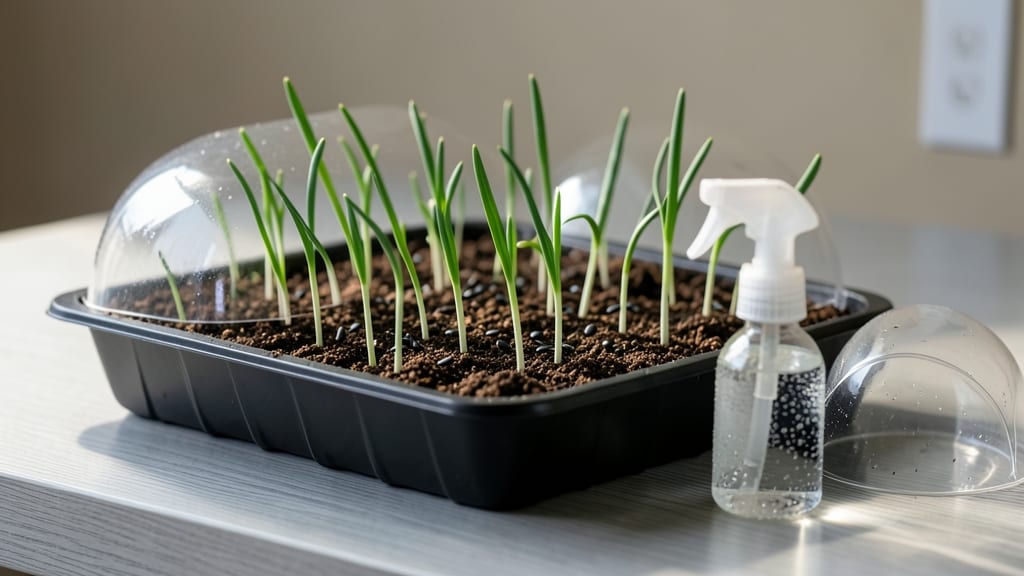
How to grow onions from seeds indoors gives you a head start on the season—no more waiting for store-bought sets. 🌱 I’ve grown onions indoors for three years now, and these speed-sprouting tricks cut germination time in half while keeping seedlings strong for transplanting. The secret lies in warmth, moisture, and patience—not fancy equipment. You’ll need a sunny window or grow light, shallow containers, and a spray bottle for gentle watering. Most beginners overwater, which causes rot, but onions actually prefer staying slightly dry once sprouted. By week 6, you’ll have thick, sturdy seedlings ready for outdoor planting. The right seed varieties (like ‘Red Baron’ or ‘Sweet Spanish’) make all the difference—some bolt faster than others, so choose wisely for your climate. This method works for any indoor space, from kitchens to basements. Let’s get those seeds sprouting faster than you’d expect!
📚 In This Guide
- What you need
- Instructions
- Tips and common mistakes
- Wrapping up and next steps
What you need
- ● Onion seeds: Choose short-day or intermediate-day varieties (e.g., ‘Texas Early White’ or ‘Red Baron’). Aim for 1–2 packets (500–1,000 seeds total) for a small indoor setup.
- ● Seed-starting trays or pots: Use 2–4 inch deep trays or 4–6 inch diameter pots with drainage holes. 4–6 trays/pots should suffice for a starter batch.
- ● Seed-starting mix: A lightweight, sterile mix (e.g., 50% peat moss, 30% vermiculite, 20% perlite) or a pre-made seed-starting soil. You’ll need about 2–3 cubic feet for your trays.
- ● Grow lights or a sunny windowsill: Grow lights: A full-spectrum LED grow light (e.g., 12–24W) placed 2–4 inches above seedlings for 12–16 hours/day.
- ● Sunny windowsill: A south-facing window with 6+ hours of direct sunlight (supplement with a grow light if needed).
- ● Spray bottle: For gentle watering to avoid disturbing seeds.
- ● Humidity dome or plastic wrap: To retain moisture while seeds germinate. A clear plastic lid or humidity tent works well.
- ● Fertilizer: A balanced, water-soluble fertilizer (e.g., 10-10-10 or 5-5-5) or a fish emulsion for organic growth. Dilute to half-strength for seedlings.
- ○ Small fan (optional but helpful): A low-speed fan to promote airflow and prevent damping-off disease.
- ● Heating mat: A seedling heat mat (set to 70–75°F) to speed up germination (especially in cooler climates).
- ● pH test kit: To ensure your soil is pH 6.0–7.0 (onions prefer slightly acidic to neutral soil).
- ● Transplanting tools: A small hand trowel or butter knife for careful seedling transfers.
- ● Growth tracker: A notebook or app to log planting dates, watering schedules, and progress.
- ● Compost or worm castings: For nutrient-rich soil once seedlings are established.
Step-by-step instructions for growing onions from seeds indoors
Here's how to coax those tiny onion seeds into strong starts—no greenhouse needed.
🌱 Step 1: Prepare Containers and Seed Starting Mix
Fill 4-inch deep seed trays or small pots with a light, sterile seed-starting mix designed for onions (or blend equal parts potting soil and perlite). Press the mix down gently to remove air pockets, but don't compact it—onion roots need loose soil to spread freely. Moisten the mix until it feels like a wrung-out sponge: damp but not dripping.
I like to use clear plastic cell packs for onions because they let me monitor root growth. Place the trays on a heat mat set to 70-75°F—this warmth jumpstarts germination, which can otherwise take 10-20 days at room temperature. The heat mat also prevents the classic "waiting game" where seeds sit in the soil for weeks without sprouting.
🌱 Step 2: Sow Seeds at Proper Depth and Spacing
Scatter seeds ¼ inch deep and ½ inch apart—onion seeds are tiny, so I use tweezers to place them precisely. Planting too deep exhausts the seed's energy before it reaches light, while planting too shallow risks drying out. Cover lightly with a fine sift of additional mix, then mist gently with water until the surface looks uniformly damp.
Label each tray with the variety and date—onion seedlings look identical until they develop true leaves. I place the trays under a grow light immediately after sowing (even before germination) to prevent leggy growth. The light should hover 2-3 inches above the soil, and you'll see the first green shoots push through in 7-14 days.
☀️ Step 3: Provide Consistent Light and Moisture
Onion seedlings need 14-16 hours of light daily to prevent stretching. If using a grow light, adjust the height weekly—keep it close enough to avoid leggy growth but not so near that leaves scorch. You'll know the light is perfect when seedlings grow 1 inch tall in 7-10 days with sturdy stems and dark green leaves.
Water from the bottom by placing trays in ½ inch of water for 10 minutes, then drain. This method prevents fungal diseases that thrive in damp foliage. Keep the soil consistently moist but never soggy—onion roots rot quickly in waterlogged conditions. After 4-6 weeks, when seedlings have 3-4 true leaves, they're ready for transplanting.
✂️ Step 4: Thin and Harden Off Seedlings
Thin seedlings to 1 inch apart using scissors to snip unwanted plants at soil level—this prevents disturbing roots of remaining seedlings. I do this under cloudy conditions to reduce transplant shock. After thinning, move trays outside for 2-3 hours daily to harden off, gradually increasing time over 10 days until they tolerate full sun.
Onions love cool weather, so transplant outdoors 2-3 weeks before your last frost date. Choose a sunny spot with well-draining soil, and space plants 4-6 inches apart. Water deeply after transplanting to help roots establish. You'll see new growth within 5-7 days, signaling successful transition.
Tips & tricks for speed-sprouting onion seeds indoors
Here's what nobody tells you about getting those stubborn onion seeds to sprout faster and stronger.
Heat Mat Hack: That 70-75°F heat mat isn't just helpful—it's essential. Without it, germination can drag out to 20 days or more. I've seen seeds sprout in just 5 days with consistent warmth, especially if you use a seedling heat mat with a built-in thermometer. Place the tray on the heat mat immediately after sowing, and keep it there until you see those first green shoots—usually within 7-14 days.
Light Placement Precision: The 2-3 inches distance between your grow light and seedlings is critical. Too close and you'll scorch delicate leaves; too far and stems will stretch like toothpicks. I adjust the height weekly by gently lifting the light and checking for even growth. Look for seedlings that grow 1 inch tall in 7-10 days with dark green leaves—this tells you the light is perfect. Pro tip: Use a clip-on LED grow light if you don't have a full setup—they're affordable and effective for small spaces.
Germination Boost: Before sowing, soak your onion seeds in room-temperature water for 12 hours to soften their tough outer shells. This optional step can cut germination time by nearly half, especially for older seed packets. Just be sure to plant them immediately after soaking—they'll be ready to sprout faster. I always label these trays "soaked" so I don't forget they're impatient little starters!
Watering Wisdom: Those 10 minutes in ½ inch of water might seem like overkill, but it's the secret to preventing damping-off disease. I use a shallow tray with drainage holes and fill it just enough to reach the bottom of the seed tray. This bottom-watering method keeps the soil evenly moist without wetting the leaves—where fungal spores love to party. After 4-6 weeks, when your seedlings have 3-4 true leaves, you can switch to top-watering carefully at the soil line.
Pro Tips for Grow Onions From Seeds Indoors
- Here's what nobody tells you about getting those stubborn onion seeds to sprout faster and stronger.
- Heat Mat Hack: That 70-75°F heat mat isn't just helpful—it's essential.
- Light Placement Precision: The 2-3 inches distance between your grow light and seedlings is critical.
Frequently asked questions
Got questions?
Growing onions from seeds indoors is rewarding but can feel tricky at first. Here are answers to the most common concerns—so you can confidently sprout your own green or bulb onions without stress.
How long does it take for onion seeds to germinate indoors?
Onion seeds typically germinate in 10–21 days indoors, depending on warmth (60–75°F) and moisture. Use a heat mat or warm spot to speed things up—consistent dampness (not soggy!) is key. Patience pays off: thin seedlings once they’re 2–3 inches tall to avoid overcrowding.
Can I grow onions from seeds indoors in winter?
Winter is perfect for indoor onion-growing. Use a grow light (12–16 hours/day) to mimic sunlight, and keep temps steady. Start seeds in late winter for early spring harvests. Just avoid drafty spots—onions hate cold feet (literally!).
What if my onion seedlings look weak or leggy?
Leggy seedlings mean they’re stretching for light. Fix it fast:
- Move them closer to a light source (within 6 inches).
- Use a grow light if natural light is dim.
- Thin crowded seedlings to reduce competition.
Can I harvest green onions from indoor seeds?
Yes! Green onions (scallions) are the easiest indoor harvest. Snip the 3–4 inch tops when they’re tender (about 6–8 weeks). The roots will regrow—just trim again in 2–3 weeks. For bulbs, wait until foliage yellows (8–12 weeks) and pull gently. Bonus: Indoor greens add flavor to meals year-round!
What if my onions bolt (flower) too soon?
Bolting happens when onions sense heat or long daylight too early. Prevent it by:
- Keeping temps below 75°F.
- Using short-daylight varieties (like ‘Texas Early White’).
- Avoiding overcrowding (stress triggers bolting).
Pro Tip:
Struggling with slow growth? Try this: Soak seeds in water for 12 hours before planting to jumpstart germination. And always use well-draining soil—onions hate soggy roots!
Wrapping up and next steps
Growing onions from seeds indoors is a rewarding way to jumpstart your garden and enjoy fresh, homegrown harvests sooner than ever! With the right setup—like proper lighting, moisture control, and patience—you’ll soon be savoring sweet, crisp onions straight from your windowsill or grow space. 🌱
Now that you’re armed with these speed-sprouting tricks, why not take the next step? Try experimenting with different onion varieties or even scale up to a small indoor garden. Happy growing—your future meals (and taste buds) will thank you! 😊