
Size
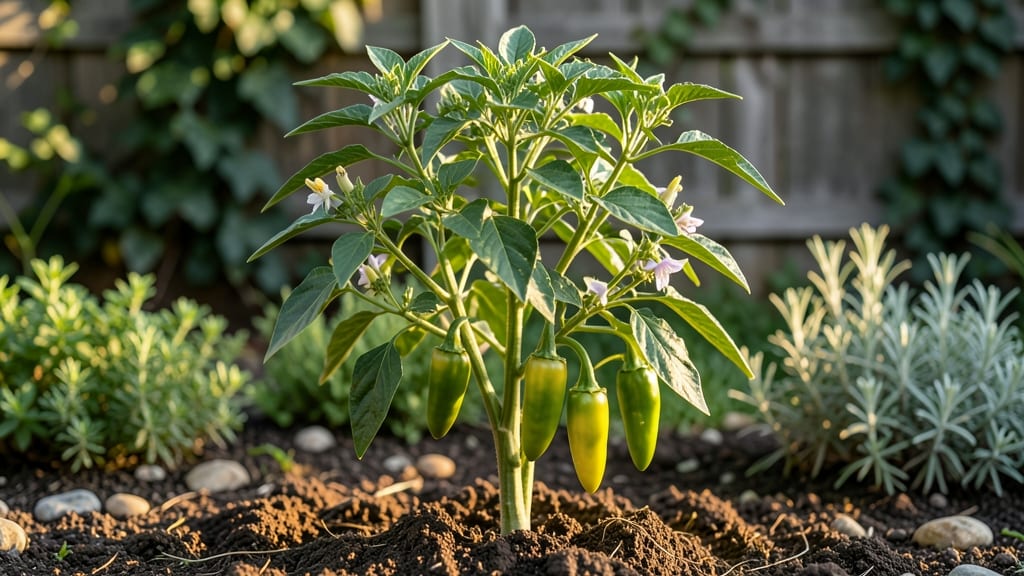
Growing jalapeños from seed delivers fiery rewards in just 90 days—and you don’t need a sprawling garden how to grow jalapeños. 🌱 Last summer, I turned a 4-foot-wide balcony into a spice factory, harvesting enough peppers to share with neighbors.
The secret? Matching their heat-loving nature with the right conditions, and I’ll show you exactly how.
Start with seeds or seedlings, but here’s the game-changer: jalapeños thrive in full sun (6+ hours daily) and well-draining soil with a pH of 6.0–7.0. They’re surprisingly low-maintenance once planted—just keep the soil moist (not soggy) and fertilize lightly every 4–6 weeks.
Prune aggressively to boost fruit production, and watch those peppers turn from green to red in weeks.
By mid-summer, you’ll be snipping spicy harvests that outperform store-bought peppers in flavor and heat. The plants stay productive for months, and even a single plant yields enough for salsas, pickling, or sharing. No green thumbs required—just sunlight, patience, and a little heat tolerance.
Works for containers, raised beds, or in-ground gardens. Whether you’re growing for the first time or scaling up, this method delivers reliable results even in small spaces. Let’s get those seeds started!
📚 In This Guide
- What you need
- Instructions
- Tips and common mistakes
- Wrapping up and next steps
What you need
- ● Jalapeño Seeds or Seedlings: 1–2 packets of Capsicum annuum seeds (e.g., 'Early Jalapeño,' 'Jalapeño M') OR
- ● 2–4 healthy jalapeño seedlings (transplant-friendly, 6+ inches tall)
- ● Containers or Garden Space: Containers: 5-gallon pots (minimum) with drainage holes (1–2 plants per pot)
- ● Garden Beds: Full sun (6+ hours/day), well-draining soil, 18–24" spacing between plants
- ● Potting Mix: 1 bag (50 lbs) of high-quality, sterilized potting mix (or garden soil amended with compost)
- ● Fertilizer: Balanced fertilizer (10-10-10 or 5-5-5) OR organic options like worm castings or compost tea
- ● Slow-release granules (follow package rates for pepper plants)
- ● Watering Supplies: Watering can with a rose nozzle (for gentle watering)
- ○ Drip irrigation kit (optional, for consistent moisture)
- ○ Support Structures (Optional but Helpful): Cage or trellis (for indeterminate varieties that grow tall)
- ● Stakes (bamboo or metal, 2–3 ft tall)
- ● Pruning Tools: Sharp pruning shears or scissors (sterilized with rubbing alcohol)
- ● Mulch: Straw or shredded leaves (2–3 inches thick to retain moisture)
- ● Climate: Jalapeños thrive in USDA Zones 8–11. For cooler zones, start seeds indoors 8–10 weeks before last frost.
- ● Sunlight: 6+ hours of direct sunlight daily (no compromise!)
- ● Temperature: Ideal range: 70–85°F (they’ll bolt or struggle below 50°F).
- ● Soil pH: 6.0–7.0 (test kit recommended if soil is unknown).
- ● Patience: Jalapeños take 70–90 days to mature—plan accordingly!
- ● Soak seeds in warm water for 24 hours to speed up germination.
- ● Mix in perlite or vermiculite (20%) to improve drainage in containers.
- ○ Use black plastic mulch (optional) to warm soil and suppress weeds.
Step-by-step instructions for growing jalepenos in small spaces
Here's how to grow bold, spicy jalepenos in just 90 days—no sprawling garden required.
🌱 Step 1: Start Seeds Indoors 8-10 Weeks Before Last Frost
Jalepenos need a long, warm growing season, so I start seeds indoors under grow lights to give them a head start. Use 4-inch pots filled with seed-starting mix and plant 2-3 seeds per pot at a depth of ¼ inch. Press them gently but don't pack the soil—you want it loose for tender roots.
Keep the soil consistently moist (not soggy) and maintain a temperature of 75-85°F using a seedling heat mat. Germination takes 7-14 days, but don't be surprised if it takes longer in cooler homes. Once sprouts appear, remove the heat mat and place them under lights for 14-16 hours daily.
🪴 Step 2: Transplant Seedlings to Larger Containers or Garden Beds
When seedlings have 4-5 true leaves (about 4-6 weeks after sowing), transplant them to 5-gallon containers or directly into the garden. Jalepenos need space to grow—crowding leads to weak plants and poor fruit production. If growing in containers, use a well-draining potting mix with added compost for nutrients.
Hardening off is critical—gradually expose seedlings to outdoor conditions over 7-10 days before transplanting. Start with 1-2 hours of shade on day one, then increase exposure daily. Watch for wilting; if you see it, they're not ready yet. Transplant in the afternoon to reduce stress on the plants.
☀️ Step 3: Provide Full Sun and Consistent Heat
Jalepenos thrive in full sun (6-8 hours daily) and warm soil. If growing in containers, place them in a spot that gets direct sunlight all day. In cooler climates, use black plastic mulch to warm the soil and extend the growing season. The soil temperature should stay above 65°F—if it's cooler, germination and fruit set will suffer.
Water deeply 1-2 times per week, ensuring the soil stays evenly moist but not waterlogged. Jalepenos are drought-tolerant once established, but consistent moisture encourages fruit production. I check soil moisture by sticking my finger 1 inch deep—if it feels dry, it's time to water.
✂️ Step 4: Fertilize and Prune for Maximum Yield
Feed jalepenos with a balanced fertilizer (10-10-10) every 3-4 weeks once they're established. Too much nitrogen leads to leafy growth at the expense of fruit, so follow the package instructions carefully. I also add a handful of compost around the base of the plant every few weeks to boost nutrients naturally.
Prune suckers (the small shoots that grow in the crotch between the main stem and branches) to direct energy into fruit production. Remove any yellow or diseased leaves immediately to prevent pests. Jalepenos are self-pollinating, but a gentle shake of the plant can help if fruit set is slow.
⏰ Step 5: Harvest and Encourage Continuous Production
Jalepenos are ready to harvest 60-90 days after transplanting, when they're 3-6 inches long and firm. Use pruning shears to cut them from the plant to avoid damaging the stem. The more you pick, the more the plant produces—so harvest frequently for a steady supply.
If your jalepenos start to turn red and lose their characteristic green color, they're overripe. Harvest them before they turn red for the best flavor and heat. Store unripe jalepenos in the refrigerator for up to 2 weeks, or preserve them by pickling, drying, or freezing for later use.
Tips & tricks for growing jalapeños in containers
Real talk: Container gardening for peppers has its quirks, but these tricks will help you sidestep the most common pitfalls and grow fiery jalapeños that outperform their garden counterparts.
Container Size and Soil Science: Those 12-inch-deep containers are non-negotiable for jalapeños—they need room for roots to spread and access nutrients. I've learned the hard way that shallower pots lead to stunted plants. For the soil mix, the 60-20-20 ratio (potting soil/compost/perlite) is your secret weapon—it mimics the well-draining conditions jalapeños crave in their native habitats. The 2-inch gravel layer at the bottom isn't just for drainage; it creates crucial air pockets that prevent root rot, especially during those inevitable watering oversights.
Germination Environment: That 75-85°F range for seed starting isn't arbitrary—jalapeño seeds are tropical and need consistent warmth to germinate. I use a seedling heat mat set to 80°F and cover containers with plastic wrap to trap humidity. Watch for sprouts in 7-14 days, but be patient—some seeds take longer. Once you see true leaves, thin to the strongest seedling immediately. The ¼-inch planting depth is perfect because it keeps seeds dark (they need darkness to germinate) while still allowing moisture to reach them.
Pruning Strategy: When your plants hit 12-18 inches, prune those lower leaves to create airflow—this isn't just about disease prevention, it's about directing energy to fruit production. The sucker removal might feel cruel, but those little shoots steal nutrients from your peppers. And that bamboo stake? It's not optional. Jalapeños get heavy, and without support, they'll flop over, potentially breaking stems. I've seen plants go from thriving to struggling overnight after a storm knocked them over without proper support.
Harvest Timing: Those 60-70 days to maturity are your target window for peak flavor and heat. Harvest when peppers reach 3-4 inches—this is when their capsaicin content (what makes them spicy) is at its prime. The regular harvesting trick works because it signals the plant to produce more fruit. I harvest every 3-4 days during peak season, and my plants keep producing for months. Just remember: leaving peppers on the plant too long turns them red and mellows the heat—you lose that signature jalapeño kick.
Pro Tips for Grow Jalepenos
- Real talk: Container gardening for peppers has its quirks, but these tricks will help you sidestep the most common pi...
- Container Size and Soil Science: Those 12-inch-deep containers are non-negotiable for jalapeños—they need room for ro...
- Germination Environment: That 75-85°F range for seed starting isn't arbitrary—jalapeño seeds are tropical and need co...
Frequently asked questions
Got questions about growing jalapeños? You’re not alone! Here are answers to the most common queries to help you grow a fiery harvest with confidence.
How long does it take for jalapeño plants to produce fruit?
With the right care, jalapeño plants typically start producing peppers 60–90 days after transplanting. Early varieties may yield sooner, while larger plants take a bit longer. Patience pays off—consistent warmth and sunlight speed up the process!
Can I grow jalapeños in containers, and what size pot do I need?
Jalapeños thrive in containers as long as the pot is at least 5 gallons (bigger is better for multiple plants). Ensure it has drainage holes and use a well-draining potting mix. Place them in a sunny spot, and they’ll flourish just like in-ground plants.
Why are my jalapeño plants flowering but not fruiting?
If your plants are blooming but not setting peppers, check for these issues:
- Lack of pollinators: Gently shake plants or use a small brush to transfer pollen.
- Temperature stress: Jalapeños need consistent warmth (above 65°F) to fruit.
- Over-fertilizing: Too much nitrogen promotes leaves over fruit. Use a balanced fertilizer.
Can I grow jalapeños indoors under grow lights?
Yes! Jalapeños can thrive indoors with 12–16 hours of grow lights daily. Use full-spectrum LEDs or fluorescent bulbs 6–12 inches above the plants. Rotate them occasionally for even growth. Just ensure good airflow and monitor humidity to prevent mold.
How do I know when jalapeños are ripe and ready to harvest?
Jalapeños are ready when they’re firm, glossy, and 2–3 inches long. They can be harvested green or left to turn red for a sweeter, milder flavor. Pick them before they get too spicy! Use pruning shears to avoid damaging the plant.
Wrapping up and next steps
Growing your own jalapeños is a rewarding journey—packed with fresh, fiery flavor and the joy of watching tiny plants transform into spicy harvests! With just a little space, patience, and the right care, you’ll be enjoying homegrown peppers in under three months.
Whether you’re a beginner or a seasoned gardener, this spicy adventure is well worth the effort.
Ready to take the next step? Start small—try a single plant or a container garden—and let your confidence (and harvest!) grow. Soon, you’ll be swapping jars of homemade salsa or pickles with neighbors, all thanks to your green thumb! 🌱🔥