
Propagation
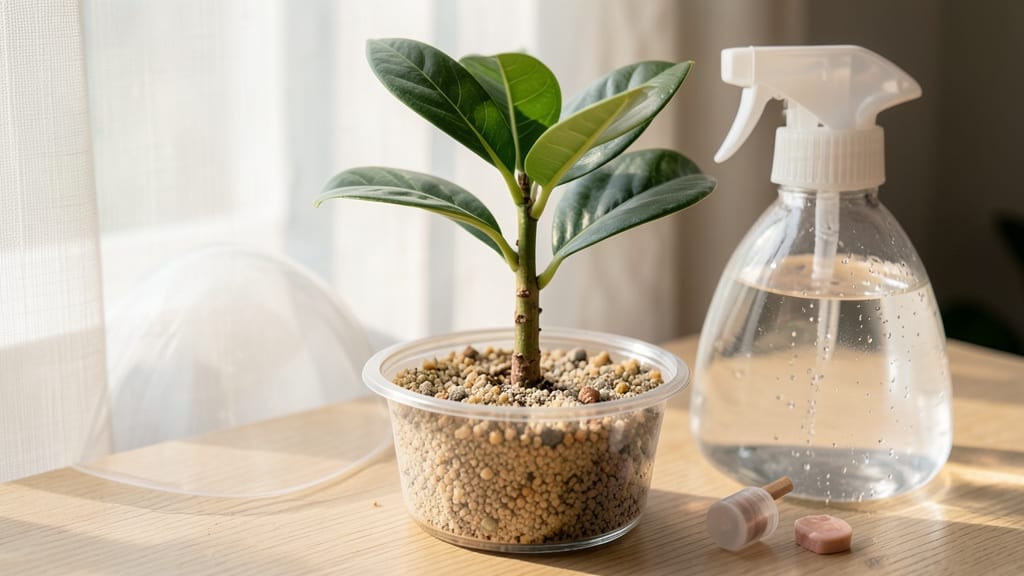
How to grow gardenia from a cutting—that first intoxicating whiff of gardenia perfume from your own plant starts with a single cutting. 🌿 I've rooted gardenias from cuttings for years, and the secret isn't complicated—it's about timing, humidity, and patience. Most people give up too soon, but with the right approach, you'll see roots in just 6-8 weeks, not months.
The magic happens in summer when gardenias are actively growing. Take 4-6 inch cuttings just below a leaf node, strip the lower leaves, and dip in rooting hormone. The real trick is keeping them warm, humid, and moist—think greenhouse conditions without the expense.
I use plastic bags over jars for my cuttings, and it works every time.
By late fall, you'll have sturdy new plants ready to transplant. The blooms won't come immediately, but the fragrance alone makes the wait worth it. Your neighbors will be asking where you got them—your secret's safe with me. Let's get those cuttings growing!
Works for both gardenia jasminoides and augustifolia varieties. The same method applies to other woody plants too—once you master this, you'll be propagating all summer long. Here's how to do it right the first time.
Rooting Failures Explained
Understanding why your gardenia cutting struggles to root is half the battle—because once you know the real reasons, you can fix them fast. Gardenias are finicky, but their propagation challenges usually boil down to a few key factors.
Let’s break down the science behind the struggles and what’s actually sabotaging your success.
---
Gardenias thrive in warm, humid conditions, but cuttings need just the right balance—too little, and they suffocate; too much, and they rot. Here’s why it goes wrong:
- Cold Stress: Gardenias hate drafts and temperatures below 65°F (18°C).
If your cutting sits near an AC vent, window, or in a chilly basement, root growth halts because enzymes responsible for cell division slow down. Solution: Keep cuttings in a warm (70–75°F / 21–24°C), humid propagator or under a plastic tent with a heat mat. - Low Humidity: Gardenias are tropical—below 60% humidity causes cuttings to dry out before roots form.
The stem’s vascular tissue (xylem) can’t transport water efficiently, leading to wilting or browning. Solution: Mist daily or use a humidity dome with a pebble tray filled with water (but ensure airflow to prevent fungus). - Overheating: Direct sunlight or a heat source too close (like a lamp) can scorch leaves or cause ethylene gas buildup (a plant stress hormone that stunts roots). Solution: Use indirect, bright light (like a north-facing window) and avoid heat sources.
--- Gardenias rely on natural rooting hormones (auxins) to trigger root growth. If these are disrupted, your cutting may refuse to cooperate:
- Lack of Root Stimulator: Gardenias are difficult-to-root because they have low endogenous auxin levels (natural hormones).
Without a synthetic rooting hormone (like IBA or napthaleneacetic acid), the cutting’s cells won’t divide to form roots. Solution: Dip the bottom 2–3 inches of the stem in powder or gel rooting hormone before planting. - Ethylene Gas Buildup: Poor airflow or sealed containers trap ethylene, a gas that inhibits root formation and promotes rot.
Ethylene is released by overripe fruit, decaying matter, or even stressed plants. Solution: Vent your propagator daily and avoid placing cuttings near ripening fruits or moldy soil. - Nutrient Deficiencies: While cuttings don’t need fertilizer, lack of micronutrients (like zinc or phosphorus) can weaken the stem’s ability to produce roots. Solution: Use sterile, well-draining media (like perlite + peat moss) and avoid tap water (use rainwater or distilled water instead).
--- The wrong growing medium or watering habits can drown or starve your cutting before roots even appear:
- Anaerobic Soil (Too Wet): Gardenias hate soggy roots. If the cutting medium stays waterlogged, oxygen is cut off, and anaerobic bacteria thrive, causing rot.
The stem’s callus layer (the first step to rooting) can’t form in these conditions. Solution: Use a fast-draining mix (50% perlite, 30% peat moss, 20% sand) and water only when the top inch is dry. - Improper Medium pH: Gardenias prefer acidic soil (pH 5.0–6.5).
If your medium is too alkaline (e.g., from tap water or garden soil), nutrient uptake fails, and roots won’t develop. Solution: Test your medium and amend with sphagnum peat moss or pine bark fines to lower pH. - Wrong Cutting Technique: If you don’t remove lower leaves or use a mature, semi-hardwood stem, the cutting may exhaust energy trying to keep leaves alive instead of growing roots. Solution: Take cuttings from new growth (not old wood) and trim leaves down to the top half to reduce water loss.
--- Invisible enemies like fungus, bacteria, or insects can silently sabotage your gardenia cutting:
- Fungal Infections (e.g., Pythium, Fusarium): These thrive in wet, warm conditions and attack the stem’s cambium layer (where roots form).
You’ll see black, mushy stems or white mold. Solution: Sterilize tools with rubbing alcohol, use fungicide-treated water, and avoid overhead watering. - Bacterial Soft Rot: Caused by Erwinia or Pseudomonas, this turns stems brown and slimy.
It spreads via contaminated water or tools. Solution: Use sterile media and hydrogen peroxide (3%) to disinfect cuttings. - Spider Mites or Mealybugs: These sap-sucking pests weaken the cutting by draining nutrients. Solution: Inspect leaves weekly and treat with neem oil if you spot webbing or cottony clusters.
--- Gardenias have a best time to root—and if you miss it, success drops dramatically:
- Wrong Season: Gardenias root best in spring or early summer when new growth is actively producing auxins.
Taking cuttings in fall or winter means the plant is dormant, and hormones are low. Solution: Plan your propagation for late spring when shoots are firm but not woody. - Over-Mature or Under-Mature Cuttings: Too old = woody and stubborn; too young = too soft and fragile.
The ideal cutting is 4–6 inches long, with 2–3 sets of leaves and no flowers. Solution: Snip just below a leaf node (where roots emerge) and avoid flowering stems.
--- Most gardeners give up because they treat symptoms, not causes.
For example: - Wilting? → Check humidity, ethylene, or root rot (not just water). - Brown Stem? → Could be fungus, low auxin, or wrong pH (not just overwatering). - No Roots? → Missing root hormone, wrong season, or poor airflow (not just "bad luck").
Fix the root cause, not the symptom—and your gardenia cuttings will thrive! 🌱✨
Fixing Common Gardenia Cutting Woes
Got a wilting cutting or stubborn rooting issues? Don’t stress—these practical fixes will get your gardenia thriving in no time. Below, we’ve mapped out the most common problems and their solutions, complete with prevention tips to keep your fragrant future blooms safe.
---
If your gardenia cutting refuses to sprout roots, the issue is usually moisture, humidity, or timing. Here’s how to turn things around:
#### 🔥 Problem: Soft, Mushy Stem (Rot) Cause: Overwatering or poor drainage traps moisture, causing the cutting to rot before roots form. Fix It: - Trim the base 🔪—snip off any mushy, discolored parts just above a healthy node (where leaves grow). - Repot in fresh mix—use a sterile, well-draining medium like perlite + peat moss (50/50 ratio). - Let it dry slightly ⏰—wait 1–2 days before watering again to prevent soggy soil.
Prevention Tip: 💡 Use a small plastic bag (not sealed) over the cutting to trap humidity, but remove it daily for 30 minutes to air out.
---
#### 🍳 Problem: No Roots After Weeks Cause: Low humidity, weak cutting, or lack of rooting hormone. Fix It: - Test the cutting—healthy stems should be firm, not limp.
If it’s already weak, try a fresh one. - Use rooting hormone 🌡️—dip the base in powder or gel before planting. (Skip this if your cutting is already semi-hardwood.) - Warm it up—place the pot on a seedling heat mat (70–75°F) or near a sunny window (indirect light).
Pro Tip: ✨ Submerge the cutting in water for 1–2 hours before planting to hydrate the stem—this can jumpstart rooting!
---
#### 👨🍳 Problem: Yellowing Leaves Cause: Overwatering, nutrient deficiency, or shock from cutting. Fix It: - Check the soil—stick your finger in 1 inch deep. If damp, hold off on watering.
Gardenias hate soggy roots! - Fertilize lightly 💪—once roots appear (4–6 weeks), use a diluted houseplant fertilizer (½ strength). - Adjust light—too much sun = crispy leaves; too little = weak growth. Aim for bright, indirect light.
Prevention Tip: 🎯 Water only when the top inch of soil feels dry—gardenias prefer consistency over soggy conditions.
---
Cause: Transplant shock or sudden environmental changes. Fix It: - Gradual acclimation ⏰—if moving from water to soil, keep the cutting in a humid environment for 1 week before full exposure. - Support the stem—use a small stake to stabilize the cutting until new growth appears (usually 2–4 weeks). - Monitor humidity—mist leaves daily or use a pebble tray with water to mimic tropical conditions.
Pro Tip: 🌡️ If roots are visible but the plant wilts, it may need a root boost. Trim any dead leaves and repot in fresh, airy soil.
---
Cause: Lack of nutrients, poor light, or root-bound conditions. Fix It: - Repot if needed—once roots fill the pot, upgrade to a slightly larger container (but not too big—gardenias hate excess soil). - Feed monthly 🥗—use a balanced fertilizer (like 10-10-10) during spring/summer. Cut back in fall/winter. - Rotate the pot—gardenias grow toward light. Turn the pot weekly for even growth.
Prevention Tip: 💡 Prune leggy growth early to encourage bushier, stronger plants—this helps them handle stress better.
--- Final Reminder: Patience is key! Gardenias are divas but worth the effort. With the right care, your cutting will reward you with glossy leaves and intoxicating blooms in just a few months. 🌸
Frequently asked questions
What's the best time of year to take gardenia cuttings?
Spring and early summer are ideal—when gardenias produce new, semi-hardwood growth. This is when the plant's natural rooting hormones are most active. Avoid fall or winter cuttings, as the plant is dormant and less likely to root successfully. Aim for late May to early July for best results.
Can I root gardenia cuttings in water?
While possible, water rooting isn't ideal for gardenias. The stems often rot before roots form. For better success, use a moist perlite/peat moss mix with rooting hormone. If you try water rooting, change it every 2-3 days and use a small container to minimize bacteria growth. Most gardeners prefer soil propagation.
How do I know when my gardenia cutting has rooted?
Gently tug on the cutting—if you feel slight resistance, roots have formed. For soil-grown cuttings, check by carefully removing a small amount of soil. You should see white, fuzzy roots about 1-2 inches long after 6-8 weeks. Water-rooted cuttings will show visible roots through the container.
What should I do if my gardenia cutting leaves turn yellow?
Yellow leaves usually indicate overwatering or nutrient deficiency. Let the soil dry out completely between waterings and reduce fertilizer until roots establish. Check for soggy soil—gardenias hate wet roots. If the yellowing persists, trim affected leaves and repot in fresh, well-draining mix. Bright, indirect light helps prevent this issue.
How long does it take for gardenia cuttings to bloom?
Don't expect flowers for at least 12-18 months after propagation. The plant needs time to establish strong roots and foliage first. Focus on healthy leaf growth during the first year. With proper care, you'll see your first fragrant blooms in late spring or summer of the second year. Patience pays off!