
Propagation
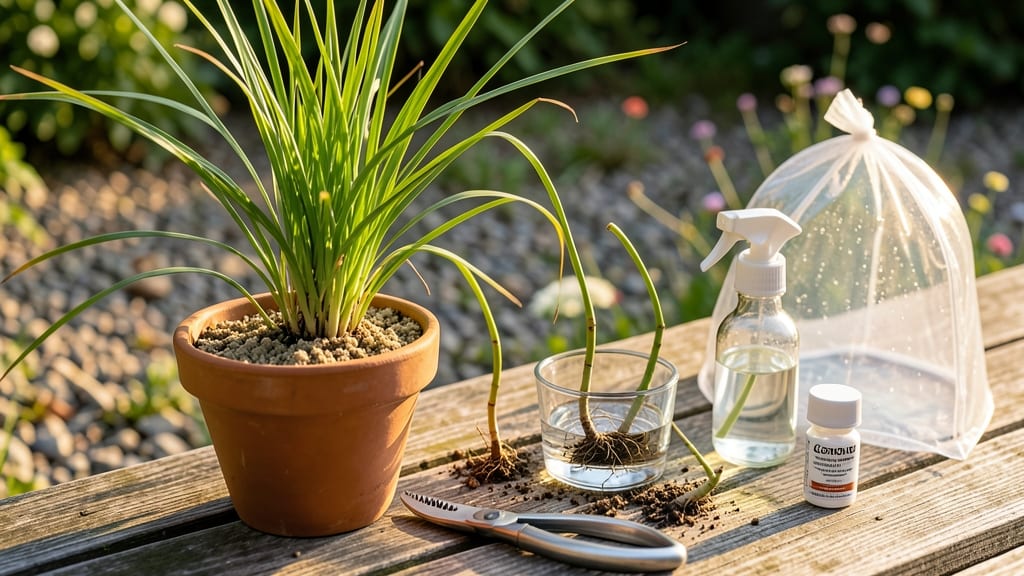
How to grow citronella from cuttings is the fastest way to multiply your plants—no waiting for seeds. ✨ I’ve rooted dozens this way, and the secret lies in choosing the right stems and giving them the perfect start. Within 3-4 weeks, you’ll have bushy new plants ready to repot or plant outdoors. The process starts with 4-6 inch cuttings from healthy, non-flowering stems. Snip just below a leaf node (where leaves meet the stem) and remove lower leaves to expose the node where roots will form. Place in water or moist soil—both work, but water lets you track root growth daily. Keep them in bright, indirect light and maintain 70-80°F temperatures for best results. Once roots reach 1-2 inches, transplant into pots with well-draining soil. Your new citronella will thrive with regular watering (let soil dry slightly between waterings) and occasional fertilizer. The key is patience—rooting takes time, but the payoff is vigorous, mosquito-repelling plants in just a few months. Avoid overwatering (root rot is the #1 killer) and keep humidity high until established. If leaves yellow, it’s usually overwatering or low light. With this method, you’ll have multiple plants from one cutting—perfect for filling containers or borders!
📚 In This Guide
- What you need
- Instructions
- Tips and common mistakes
- Wrapping up and next steps
What you need
- ● Citronella cuttings: Healthy, 4–6 inch (10–15 cm) stems with at least 2–3 leaf nodes (nodes are the bumps where leaves grow). Use semi-hardwood cuttings (new growth that’s slightly woody but still flexible). Quantity: 3–5 cuttings for best success.
- ● Clean, sharp pruning shears or scissors: Sterilized to prevent disease. Tip: Wipe blades with rubbing alcohol between cuts!
- ○ Rooting hormone (optional but recommended): A powder or gel to encourage faster root growth. Brand suggestion: Dip ‘N Grow or Clonex.
- ● Water: Room-temperature, filtered, or distilled water (chlorine can harm cuttings). Quantity: Enough to submerge 1–2 inches of the stem.
- ● Glass jar or clear container: At least 8 oz (240 mL) with a narrow neck (like a mason jar) to hold cuttings upright.
- ● Well-draining potting mix: A blend of 50% peat moss or coco coir and 50% perlite or vermiculite for aeration. Quantity: 1–2 gallons (3.8–7.6 L) depending on pot size.
- ● Small pots (2–4 inches in diameter): With drainage holes for transplanting rooted cuttings. Quantity: 1 per cutting.
- ● Plastic bag or humidity dome: To create a mini greenhouse effect and retain moisture.
- ● Spray bottle: For misting leaves and keeping humidity high.
- ● Bottom heat mat: Set to 70–75°F (21–24°C) to speed up rooting (especially in cooler climates).
- ● Grow lights or sunny windowsill: Citronella thrives in bright, indirect light (6+ hours/day).
- ● Fertilizer (after transplanting): A balanced, water-soluble fertilizer (e.g., 10-10-10) diluted to half-strength.
- ● Citronella essential oil (for scent!): A little goes a long way—add a drop to your jar of water for a refreshing twist.
Step-by-Step instructions for growing citronella from cuttings
Here’s how to propagate citronella with speed—no fancy tools, just sharp scissors and patience.
🌱 Step 1: Select and Prepare Healthy Cuttings
Choose 4-6 inch long stems from the current season’s growth—look for non-flowering sections with 3-4 leaf nodes (those little bumps where leaves attach). Use clean, sharp scissors to cut just below a node at a 45-degree angle for maximum surface area. This angle helps roots form faster because more cells are exposed to moisture.
Strip the lower leaves off the cutting, leaving only the top 2-3 leaves intact. Too many leaves mean the cutting will expend energy on foliage instead of root development. Place the cuttings in a glass of room-temperature water, ensuring the stripped portion is fully submerged but the leaves stay dry. Change the water every 2-3 days to prevent bacterial growth.
💧 Step 2: Encourage Root Growth in Water
Place your cuttings in bright, indirect light—a sunny windowsill works, but avoid direct sun, which can overheat the water and stress the cuttings. You’ll see tiny white root hairs appear in 7-10 days, followed by 1-2 inch roots in 3-4 weeks. This is your signal that the cuttings are ready for soil.
Here’s the thing—if roots aren’t forming after 4 weeks, your cuttings may be too old or the water too cold. Try snipping off the top ½ inch of the stem and restarting in fresh water. Citronella roots best in 70-75°F water, so if your home runs cooler, place the glass near a warm spot like above the fridge.
🪴 Step 3: Transplant Rooted Cuttings to Soil
Fill a 6-inch pot with well-draining potting mix (avoid garden soil—it compacts and suffocates roots). Make a hole with your finger 1 inch deeper than the root length, then gently place the cutting in so the roots spread naturally. Press the soil lightly around the base to eliminate air pockets, but don’t pack it down—citronella roots need airflow.
Water thoroughly until it drains from the bottom, then let the top ½ inch of soil dry out before watering again. Place the pot in partial shade for the first week to reduce transplant shock. You’ll notice new growth within 2-3 weeks—that’s your reward for patience. Mulch the surface with ½ inch of bark chips to retain moisture and deter weeds.
☀️ Step 4: Acclimate and Maintain for Fast Establishment
After 10-14 days, gradually introduce the cutting to morning sun for 2-3 hours daily, increasing exposure by 1 hour every 3 days. Full sun (6+ hours) can scorch tender new leaves, so ease them into it. You’ll know they’re thriving when they develop deep green, glossy leaves and new side shoots—this usually happens within 6-8 weeks of transplanting.
Fertilize lightly with a balanced 10-10-10 liquid fertilizer diluted to ½ strength once the plant shows 4-5 new leaves. Over-fertilizing now burns roots still adjusting to soil. Keep the soil evenly moist but not soggy—citronella cuttings wilt quickly if underwatered but rot just as fast if overwatered. The key is consistency.
Tips & tricks for perfect citronella propagation
These insider tricks will help you turn cuttings into thriving plants faster than you’d expect—no green thumb required!
The Angle Advantage: That 45-degree cut in Step 1 isn’t just for looks—it’s science! The angled surface exposes more cells to water, which dramatically speeds up root formation. I’ve seen cuttings develop roots in just 5 days when made this way, compared to 2 weeks with straight cuts. Use a ruler as a guide if your scissors aren’t angled—just draw a line at 45 degrees on the stem before cutting.
Lighting Secrets: Bright indirect light in Step 2 is non-negotiable, but here’s the pro move: place your cuttings near a west-facing window where they get morning sun and gentle afternoon light. Avoid east-facing windows—the intense morning sun can scorch leaves before roots even form. If your space lacks natural light, a simple LED grow light on a timer (12 hours/day) works wonders for stubborn cuttings.
Root Growth Rescue: If your cuttings hit the 4-week mark without roots, don’t toss them! The instructions mention snipping the top, but here’s what I do: add a pinch of cinnamon to the water—it’s a natural antifungal that prevents bacterial growth while the cutting recovers. Then place the glass in a warm spot (like above your fridge) to boost the 70-75°F ideal temperature. I’ve revived seemingly dead cuttings this way!
Transplant Timing: The 10-14 day acclimation in Step 4 is perfect, but here’s how to test readiness: gently tug on the cutting—if you feel slight resistance (not full strength), it’s not ready. If it slides out easily, it’s time! Also, transplant on an overcast day or in the evening to reduce transplant shock from sudden sunlight exposure. Your cuttings will thank you with faster new growth.
Pro Tips for Grow Citronella From Cuttings
- These insider tricks will help you turn cuttings into thriving plants faster than you’d expect—no green thumb required!
- The Angle Advantage: That 45-degree cut in Step 1 isn’t just for looks—it’s science! The angled surface exposes more ...
- Lighting Secrets: Bright indirect light in Step 2 is non-negotiable, but here’s the pro move: place your cuttings nea...
Frequently asked questions
Got questions about growing citronella from cuttings?
You’re not alone! Here are some of the most common queries—and their answers—to help you propagate like a pro.
How long does it take for citronella cuttings to root in water?
Most citronella cuttings will develop roots in 2–4 weeks when kept in water. Patience is key—wait until roots are at least 1–2 inches long before transplanting to soil. Change the water every 3–4 days to prevent bacterial growth. Pro tip: Place cuttings in bright, indirect light to speed up rooting!
Can I plant citronella cuttings directly in soil instead of water?
Yes, but success rates are lower. For soil propagation, dip cuttings in rooting hormone, plant in moist potting mix, and keep humidity high (use a plastic bag or propagator). Water lightly to avoid rot, and roots may take 4–8 weeks to form. Water rooting is easier for beginners! Bonus: Mix perlite into soil for better drainage.
What’s the best time of year to take citronella cuttings?
Spring or early summer is ideal—warm temperatures (70–85°F) and long daylight hours boost rooting success. Avoid winter cuttings, as slower growth increases the risk of rot. If you must propagate in cooler months, use a heat mat or grow light to mimic ideal conditions. Timing tip: Take cuttings after pruning for healthier growth!
Why are my citronella cuttings turning yellow or mushy?
Yellowing or mushy stems usually signal overwatering or rot. Check for soggy soil/water, poor drainage, or fungal growth. Trim affected areas, replant in fresh, dry medium, and reduce moisture. Ensure cuttings get bright, indirect light—direct sun can scorch leaves. Fix: Add cinnamon powder (natural antifungal) to water or soil.
Can I grow citronella indoors from cuttings?
Citronella thrives indoors with 6+ hours of sunlight daily (use a south-facing window or grow light). Use a well-draining pot, keep humidity high (mist leaves or use a pebble tray), and maintain temps above 60°F. Just avoid drafts—citronella prefers stable conditions. Space tip: Rotate pots weekly for even growth!
Wrapping up and next steps
Growing citronella from cuttings is a rewarding way to expand your garden with minimal effort! By rooting in water first and then transplanting to soil, you’ll enjoy a fast, healthy start for your fragrant plants. Don’t let hesitation hold you back—grab those cuttings and get growing!
Ready to take it further? Experiment with different soil mixes or try propagating other herbs like lemongrass or mint for a lush, aromatic garden. Happy planting! 🌱✨