Size
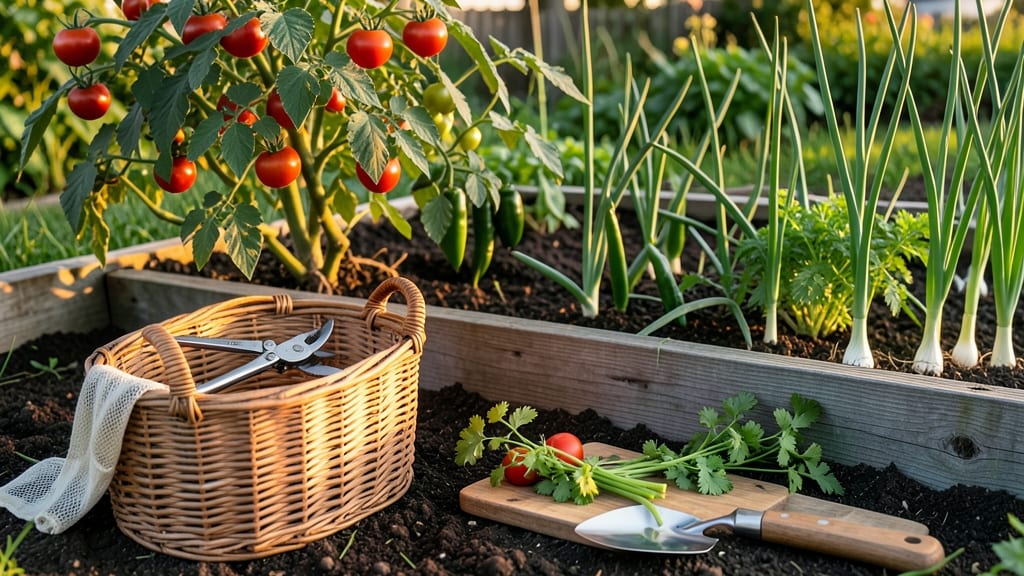
How to grow a salsa garden could be ready by midsummer. 🌶️ Growing a salsa garden isn't just about fresh ingredients—it's about transforming your kitchen into a flavor hub where every harvest tastes like sunshine and spice. The secret lies in pairing the right peppers (jalapeños, serranos, or habaneros) with cilantro, basil, and onions in a layout that maximizes sunlight and airflow. I started with just a 4x4-foot plot last year and ended up with enough for 20 jars of salsa—no fancy tools needed, just good soil, patience, and a sunny spot. By harvest time, you'll be snipping peppers straight from the vine, their heat building as the season progresses. The cilantro stays fresh longer when planted near basil, which also deters pests naturally. Even in small spaces, this garden delivers big flavor. Works for containers or in-ground beds, and the same principles apply whether you're growing for one summer or planning ahead for next year's harvest. Let's get those seeds in the ground!
📚 In This Guide
- What you need
- Instructions
- Tips and common mistakes
- Wrapping up and next steps
What you need
- ● Seeds or seedlings: 5–10 plants of your favorite salsa peppers (e.g., jalapeño, serrano, habanero, or poblano). Start with 2–3 varieties for balanced heat!
- ● Containers or garden beds: For containers: 5-gallon pots or larger (1–2 per plant). Ensure pots have drainage holes!
- ● For ground planting: A sunny spot (6+ hours of light) with well-draining soil. Space plants 18–24 inches apart.
- ● Potting mix: 1–2 bags of high-quality, organic pepper-specific mix (or blend garden soil with compost). Avoid heavy clay soil.
- ● Fertilizer: Balanced organic fertilizer (e.g., 10-10-10) or compost. Apply at planting and mid-season.
- ● Watering can or hose: With a gentle spray nozzle to avoid damaging delicate plants.
- ● Pruning shears: For trimming leggy stems or removing damaged leaves.
- ○ Gloves (optional but recommended): Habaneros and ghost peppers pack a punch—protect your hands!
- ● Shade cloth: For hot climates (30–50% shade) to prevent sunscald.
- ● Trellis or stakes: If growing tall varieties like bell peppers (for support).
- ● Cauliflower cages: To protect peppers from pests like birds.
- ● pH test kit: Ideal soil pH for peppers: 6.0–6.8. Adjust with lime if needed.
- ● Harvest basket or scissors: For clean cuts (leave 1–2 inches of stem attached).
Step-by-step instructions for growing a salsa garden
Here's the foolproof method I use to pack my garden with bold, flavorful peppers and herbs for homemade salsa.
🌱 Step 1: Choose and Prepare Your Salsa Plants
Select a mix of 4-6 pepper varieties (like jalapeños, serranos, and poblano) and 2-3 herbs (cilantro, green onions, and oregano work best). I always start with transplants for peppers since they need a long, warm season to mature. Pick healthy plants with firm stems and no signs of yellowing—those are your telltale signs of strong, disease-free starts.
Dig holes twice as wide as the root ball but only as deep as the container held the plant. This keeps the roots from being buried too deep, which can cause rot. Gently loosen the roots if they're circling the pot—this encourages them to spread outward in the garden bed.
☀️ Step 2: Plant in Full Sun with Rich Soil
Salsa gardens thrive in full sun (6+ hours daily) and well-draining soil. Mix 2-3 inches of compost into the top 6 inches of soil before planting—this adds nutrients and improves drainage. I like to add a handful of granular organic fertilizer to each hole as well for an extra boost.
Space peppers 12-18 inches apart—they need room to grow and airflow to prevent disease. Herbs like cilantro and green onions can go closer together (6-8 inches apart). Water deeply right after planting to settle the soil around the roots. You'll know it's right when the soil looks damp but not soggy.
💧 Step 3: Water Deeply and Consistently
Peppers and herbs hate wet feet, so water deeply 1-2 times per week instead of daily shallow watering. Aim for 1 inch of water per week, delivered at the base of the plant. I use a soaker hose to keep leaves dry—this prevents fungal diseases like powdery mildew, which can ruin your harvest.
Check soil moisture by sticking your finger 1 inch deep. If it feels dry, it's time to water. Mulch around plants with 2-3 inches of straw or wood chips to retain moisture and keep roots cool. This also suppresses weeds, so you spend less time pulling them later.
✂️ Step 4: Prune and Harvest for Bold Flavor
Pinch off the first few flowers on pepper plants to encourage bushier growth with more fruit later. Once peppers start forming, let them ripen fully for the best flavor—red or deep green means they're ready. Harvest by twisting gently or using pruning shears to avoid damaging the plant.
For herbs, harvest leaves regularly to encourage new growth. Cilantro bolts (goes to seed) quickly in hot weather, so I harvest outer leaves first and leave the center intact. Green onions can be cut back to 1 inch above the soil—they'll regrow quickly. You'll know you're on track when your garden is producing more peppers than you can use, and herbs are thriving with fresh, vibrant leaves.
🌿 Step 5: Maintain Through the Season
Fertilize every 4-6 weeks with a balanced organic fertilizer to keep plants producing. I also side-dress with compost mid-season for a nutrient boost. Watch for pests like aphids or spider mites—spray with neem oil if you spot them early to avoid damage.
As peppers mature, they may need staking or cages for support. Tall varieties like jalapeños benefit from a small trellis to keep them upright. By late summer, your garden should be bursting with color and flavor—ready for your first big salsa batch!
Tips & tricks for perfect salsa garden planting
Here's what nobody tells you about creating a thriving salsa garden that'll make your homemade salsa taste like a restaurant favorite.
Plant Selection Strategy: For the best flavor balance, I always include at least one mild pepper (like poblano) alongside hotter varieties (jalapeños or serranos). The mild peppers add body to your salsa, while the hot ones bring the heat. When choosing herbs, opt for fresh cilantro and green onions—they're the flavor foundation of classic salsa. I also add oregano for that authentic Mexican touch that makes all the difference.
Soil Preparation Tip: The 2-3 inches of compost you mix into the top 6 inches of soil is non-negotiable—it's what transforms average soil into flavor powerhouse dirt. I like to add worm castings too (optional) for an extra nutrient boost that peppers love. This rich soil mix is what helps your plants develop those bold, complex flavors we're all after in our homemade salsa.
Watering Wisdom: That 1-2 times per week watering schedule might seem counterintuitive when you're used to daily watering, but it's crucial for preventing fungal diseases. The key is deep watering—aim for that 1 inch per week total. I've seen so many salsa gardens fail because of overwatering, which leads to root rot. The finger test (1 inch deep) is your best friend here—it tells you exactly when your plants need water.
Harvesting Hack: When harvesting peppers, I always twist them gently rather than cutting with scissors. This method preserves more of the plant's energy and encourages more fruit production. For herbs, I harvest cilantro in the morning when the oils are most concentrated, and I never cut more than one-third of the plant at once. This keeps your herbs growing strong throughout the season.
Pro Tips for Grow A Salsa Garden
- Here's what nobody tells you about creating a thriving salsa garden that'll make your homemade salsa taste like a res...
- Plant Selection Strategy: For the best flavor balance, I always include at least one mild pepper (like poblano) along...
- Soil Preparation Tip: The 2-3 inches of compost you mix into the top 6 inches of soil is non-negotiable—it's what tra...
Frequently asked questions
Got questions about growing your own salsa garden?
You’re not alone! Here are answers to the most common queries to help you spice up your harvest with confidence.
When is the best time to plant a salsa garden?
For most climates, plant after the last frost in spring (when soil reaches 60°F+) and avoid late summer plantings—they won’t mature before cold weather hits. In warm zones (like Zones 9–11), you can even plant in early fall for a winter harvest. Check your local frost dates to time it perfectly!
Can I grow a salsa garden in containers or small spaces?
Compact varieties like ‘Tiny Tim’ tomatoes, ‘Jalapeño M’, and ‘Pepperoncini’ peppers thrive in 5-gallon pots. Just ensure they get 6+ hours of sun daily and use well-draining soil. Herbs like cilantro and basil also do well in containers—ideal for balconies or patios!
Why are my peppers turning yellow or dropping?
Yellowing peppers often signal overwatering or nutrient deficiency (especially nitrogen). Dropping fruit? It could be heat stress (peppers need consistent water) or pollination issues (hand-pollinate with a paintbrush if needed). Check soil moisture—peppers prefer slightly dry soil between waterings.
What’s the easiest salsa combo for beginners?
Start with tomatoes (Roma or cherry), jalapeños, cilantro, and onions. These four are forgiving, productive, and pack a punch! Add garlic or lime plants later for extra flavor. Pro tip: Interplant fast growers (like cilantro) with slower ones (tomatoes) to maximize space!
How do I know when tomatoes are ripe for salsa?
For red tomatoes, look for deep color and slight softness. For green salsa, pick firm, mature fruits (still hard). Roma tomatoes should be plump and glossy. Harvest in the morning for peak flavor—never cut them (use scissors or twist gently to avoid damage).
Wrapping up and next steps
Growing your own salsa garden is a rewarding journey that brings bold flavors straight from your backyard to your plate! 🌱 With the right sunny spot, nutrient-rich soil, and a mix of peppers, onions, and herbs, you’ll be well on your way to a spicy, fresh harvest.
Whether you’re a beginner or a seasoned gardener, every step—from planting to harvesting—is a chance to connect with nature and savor the fruits of your labor.
Now that you’re armed with tips and answers, roll up your sleeves and start planting! Grab your seeds, mark your calendar, and get ready to enjoy homemade salsa that’s fresh, vibrant, and full of love. Happy gardening—and may your harvest be plenty and fiery! 🌶️🔥