
Size
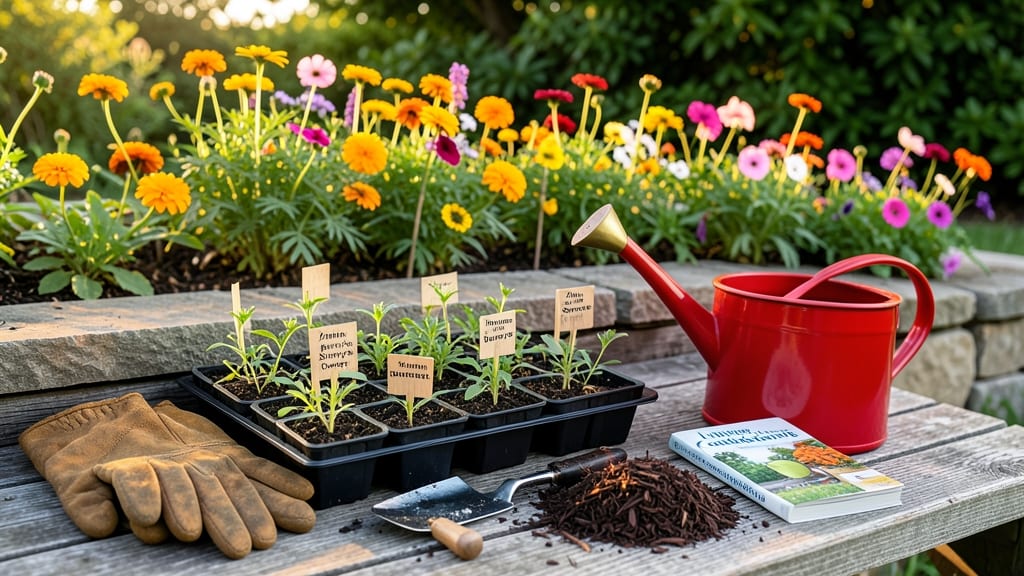
How to grow a flower garden for beginners starts with sunny spots and simple steps—no green thumb required. 🌸 I spent years avoiding gardening until I realized the easiest flowers thrive with just sunlight, decent soil, and occasional water—no fancy tools required.
The secret isn't complicated: pick flowers that match your light (like marigolds for full sun or impatiens for shade), loosen the soil with a basic fork, and plant seeds or transplants about as deep as they are wide.
Water deeply once a week unless it rains, and you'll see sprouts in 10-14 days.
By summer, you'll have blooms that attract bees, fill your yard with color, and require almost no maintenance. The best part? You'll learn exactly what works in your space—no more guessing or frustration.
Works for any yard size, from window boxes to full sun patches. Here's how to get started without overcomplicating it—promise.
📚 In This Guide
- What you need
- Instructions
- Tips and common mistakes
- Wrapping up and next steps
What you need
- ● Garden space: At least 6 hours of direct sunlight daily (adjust for shade-loving flowers if needed).
- ● Well-draining soil (amend with compost if heavy clay or sandy).
- ● Flowers: Choose beginner-friendly seeds or plants (e.g., marigolds, sunflowers, zinnias, or petunias). Buy 5–10 plants/seeds per variety for a full look.
- ● Soil amendments: 1–2 bags (40–60 lbs each) of compost or potting mix (for containers).
- ○ Optional: Slow-release flower fertilizer (10–15 lbs).
- ● Tools: Hand trowel ($5–$15)
- ● Garden gloves (1 pair, $10–$20)
- ● Pruners ($8–$20) for trimming
- ● Watering can or hose with a gentle spray nozzle
- ● Measuring tape or ruler (for spacing plants)
- ● Mulch: 2–3 bags (2–3 cubic feet each) of shredded bark or straw to retain moisture.
- ● Containers: Pots (5–10 gallons) or raised beds if gardening in limited space.
- ● Stakes or cages: For tall flowers like sunflowers (1–2 stakes per plant).
- ● Drip irrigation kit: Saves time and water (invest ~$20–$50).
- ● Knee pad: For comfort during planting ($10–$15).
Step-by-Step instructions for growing a beginner-friendly flower garden
Here's how to create a vibrant, low-maintenance flower garden that thrives with minimal fuss.
🌱 Step 1: Choose the Perfect Sunny Spot
Most flowers crave at least 6 hours of direct sunlight daily. Scout your yard for the sunniest location—south-facing areas get the most light. Avoid spots under trees or near tall structures that cast shade. I like to mark the area with stakes to visualize the space before digging.
Test the sunlight pattern for a week. Write down when shadows fall and how long they linger. If your yard only gets 4-5 hours of sun, opt for shade-tolerant flowers like impatiens or ferns instead of sun-lovers like marigolds or zinnias.
🪴 Step 2: Prepare the Soil for Happy Roots
Clear weeds and debris from the area, then loosen the soil to a depth of 12 inches using a garden fork or tiller. This helps roots spread easily. Work in a 2-inch layer of compost to improve drainage and fertility—flowers thrive in soil that’s rich but not soggy.
Rake the area smooth and level it out. You’ll know you’ve done it right when the soil looks dark, crumbly, and holds moisture without becoming muddy. If your soil is heavy clay, mix in 1 part sand per 3 parts soil to lighten it up.
☀️ Step 3: Plan Your Flower Layout for Easy Care
Group flowers with similar water needs together. Tall plants like sunflowers or delphiniums go in the back, medium-height like zinnias or cosmos in the middle, and low-growing flowers like marigolds or petunias in the front. This creates a natural, layered look that’s easy to maintain.
Space plants according to their mature size—check the seed packet or plant tag for guidance. Crowding leads to competition for nutrients and water, while spacing too far apart makes the garden look sparse. A good rule is to leave 12-18 inches between plants unless the tag says otherwise.
💧 Step 4: Plant and Water for Strong Starts
Dig holes slightly deeper and wider than the root ball of each plant. Gently remove the plant from its container, loosen the roots if they’re circling, and place it in the hole so the top of the root ball sits level with the soil surface. Fill in with soil and press lightly to remove air pockets.
Water deeply right after planting—enough to soak the soil to a depth of 6 inches. You’ll know it’s right when water runs out the bottom of the hole. Mulch with 2-3 inches of shredded bark or straw to retain moisture and keep weeds down. Water again in a week to encourage root growth.
✂️ Step 5: Maintain with Simple Routine Care
Water in the morning to reduce evaporation and fungal diseases. Most flowers need 1 inch of water per week, but check the soil—if the top 1 inch feels dry, it’s time to water. Avoid wetting the leaves to prevent mildew, especially in humid climates.
Deadhead spent blooms regularly by pinching off faded flowers with your fingers or shears. This encourages more blooms and keeps the garden looking tidy. Fertilize lightly every 4-6 weeks with a balanced, slow-release fertilizer to keep flowers thriving without overfeeding.
Tips & tricks for perfect flower garden layouts
Here's what I've learned from years of gardening—simple tricks that'll make your flower garden look like a pro designed it.
Sunlight Strategy: If your yard only gets partial sun, don't give up! Test your spot with a simple DIY sunlight tracker: mark your garden area and observe shadows every hour for a week. Most shade-loving plants need just 4-5 hours of morning sun, while sun-lovers thrive with full 6 hours. I've seen impatiens flourish in spots that would kill marigolds—just match the plant to the light!
Soil Secret: That 2-inch layer of compost in Step 2 is non-negotiable for happy roots. Pro tip: mix in a handful of worm castings with your compost—they're nature's fertilizer and help soil retain moisture better. For clay soil, work in that 1 part sand per 3 parts soil mix thoroughly so it's evenly distributed, not just in pockets.
Plant Placement Pro: When arranging your garden in Step 3, think "back to front" like a stage. Tall sunflowers should be your "back row," medium cosmos your "middle," and low petunias your "foreground." This creates depth and makes your garden look intentionally designed. I like to sketch a rough layout first—it saves time rearranging later!
Watering Wisdom: That 6-inch deep watering in Step 4 is crucial—it encourages roots to grow downward where they'll find moisture. A simple way to check depth: use a long screwdriver or dowel. Push it in until you hit resistance—if it's less than 6 inches, water again. Mulch with those 2-3 inches of bark helps keep moisture in, so you won't need to water as often.
Pro Tips for Grow A Flower Garden For Beginners
- Here's what I've learned from years of gardening—simple tricks that'll make your flower garden look like a pro design...
- Sunlight Strategy: If your yard only gets partial sun, don't give up! Test your spot with a simple DIY sunlight track...
- Soil Secret: That 2-inch layer of compost in Step 2 is non-negotiable for happy roots. Pro tip: mix in a handful of w...
Frequently asked questions
Got questions about starting your first flower garden? You’re not alone! Here are some of the most common concerns—plus straightforward answers to help you bloom with confidence.
What’s the best time of year to plant flowers for beginners?
Timing depends on your climate and flower type! In most regions, spring (after the last frost) and early fall (6-8 weeks before frost) are ideal. Cool-season flowers (like pansies) thrive in fall, while warm-season blooms (like marigolds) love spring. Check seed packets for specific guidance—it’s like a cheat code for success!
How often should I water my new flower garden?
New plants need consistent moisture—water deeply 2-3 times per week (or daily in extreme heat). Aim for 1 inch of water per week, focusing on the soil (not the leaves). Mulch helps retain moisture and keeps roots happy. Pro tip: Water in the morning to reduce evaporation and fungal risks.
What do I do if bugs or pests show up in my garden?
Don’t panic! Start with prevention: healthy soil, proper spacing, and regular checks. For pests like aphids or slugs, try:
- Neem oil (spray on leaves)
- Handpick larger pests (like tomato hornworms)
- Beer traps for slugs (leave a shallow dish of beer overnight)
Can I grow flowers in containers or just in the ground?
Containers are perfect for small spaces, balconies, or renters. Choose pots with drainage holes and use well-draining soil. Dwarf varieties (like petunias or nasturtiums) thrive in containers. Just ensure they get enough sunlight and water—containers dry out faster than ground soil.
How much sunlight do flowers really need?
Most flowers crave 6+ hours of sunlight daily. Check your garden’s “sun map” (track sunlight in different spots). Full sun lovers (like sunflowers) need 6-8+ hours, while partial shade plants (like impatiens) tolerate 3-6 hours. Observe your space—even a shady corner can host shade-tolerant blooms!
What’s the easiest flower to grow for absolute beginners?
Start with low-maintenance superstars:
- Marigolds (deter pests, vibrant colors)
- Zinnias (fast-growing, long-lasting)
- Sunflowers (cheerful and hardy)
- Pansies (cool-season, cold-resistant)
Still stumped? Snap a photo of your garden’s conditions (light, soil, space) and ask for tailored advice—every garden is unique!
Wrapping up and next steps
Starting a flower garden is simpler than you think—just pick the right plants, prep your space, and let nature do the rest! 🌸 With the right tools, a little patience, and these beginner-friendly steps, you’ll soon enjoy a vibrant, thriving garden that brings joy and beauty to your outdoor space. Ready to take the next step? Grab your gardening gloves and start small—even a single pot of petunias or a patch of marigolds will give you that rewarding "green thumb" feeling!