
Propagation
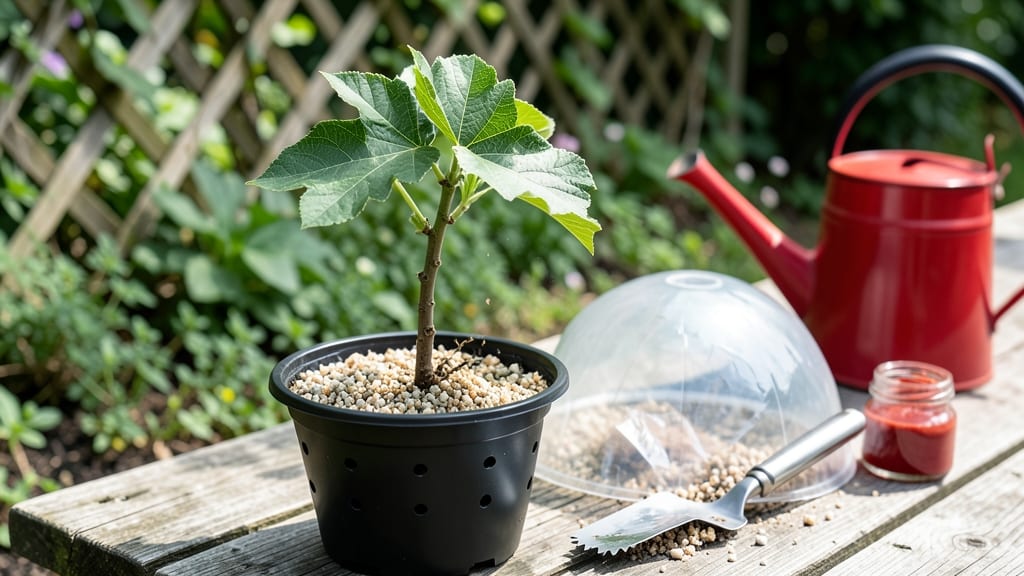
That single fig in your kitchen could grow into a tree. 🌱 I’ve turned grocery-store figs into thriving plants using this simple method—no fancy tools or green thumbs required. The secret lies in the stem hidden inside, where roots already begin forming.
Start by selecting a ripe fig with a firm stem and no soft spots. Cut it in half lengthwise, then gently scrape the inner cavity to expose the tiny root nodes.
These are your starting point—nature’s way of making propagation effortless. Place the fig half in water or moist soil, and within weeks, you’ll see roots reaching out.
By summer’s end, you’ll transplant a rooted cutting into the ground or a pot, where it’ll grow into a productive tree. The first harvest could be just two years away—imagine plucking fresh figs from your own tree! This method works for both indoor and outdoor growing, adapting to your space.
Fair warning: Patience is key. Early growth might be slow, but consistency pays off. With proper sunlight and watering, your fig tree will reward you with lush foliage and eventually, sweet fruit. Here’s how to keep it thriving through every stage.
📚 In This Guide
- What you need
- Instructions
- Tips and common mistakes
- Wrapping up and next steps
What you need
- ● 1 ripe fig – Choose a fresh, organic fig (non-hybrid varieties like Ficus carica work best).
- ● 1 small pot (4-6 inches wide) – With drainage holes to prevent root rot.
- ● Well-draining potting mix – A blend of 50% peat moss or coconut coir, 30% perlite or vermiculite, and 20% compost.
- ● Watering can or spray bottle – For gentle hydration (avoid soaking!).
- ○ Plastic wrap or clear plastic bag – To create a mini greenhouse effect (optional but helpful for humidity).
- ● Scissors or sharp knife – For cutting the fig stem cleanly.
- ○ Rooting hormone (optional but recommended) – Speeds up root growth (e.g., Rootone or Clonex).
- ● Heat mat – Keeps the soil warm (70–75°F) for faster rooting.
- ● Grow lights – If propagating indoors with limited sunlight.
- ● Fertilizer (balanced, low-nitrogen) – Like 10-10-10 or fish emulsion (use sparingly after roots form).
- ● Label or marker – To track your fig variety and planting date.
- ● Garden twine or stakes – For supporting the stem as it grows.
Step-by-step instructions for growing a fig tree from a fresh fig
Here's how to turn a single fig into a thriving tree—no fancy tools needed.
🌱 Step 1: Select and Prepare the Fig for Propagation
Choose a ripe, organic fig with no blemishes—this ensures healthy root growth. I like to pick one that's slightly soft to the touch but still firm. Cut the fig in half horizontally, exposing the inner cavity where seeds are embedded. You'll see small, flat seeds nestled in the flesh.
Carefully scoop out the seeds with a spoon, trying not to damage them. Rinse them under lukewarm water to remove any remaining fruit pulp, then lay them on a paper towel to dry for about 1 hour. This prevents mold and helps them stay viable. Real talk: don't skip the drying step—wet seeds rot faster than you'd think.
💧 Step 2: Plant the Seeds in Moist Potting Mix
Fill a small pot (about 4 inches wide) with a mix of 50% potting soil and 50% perlite. This blend drains well while holding enough moisture for germination. Moisten the mix until it feels like a damp sponge—squeeze it gently and it should hold its shape but not drip.
Plant the fig seeds about ½ inch deep, spacing them roughly 1 inch apart in the pot. Cover them lightly with additional mix, then mist the surface with water until evenly damp. Place the pot in a warm spot (around 70-75°F) where it gets bright, indirect light—like a sunny windowsill with a sheer curtain.
☀️ Step 3: Maintain Ideal Conditions for Germination
Keep the soil consistently moist but never soggy—water when the top ½ inch feels dry. A humidity dome or plastic wrap helps retain moisture, but remove it once sprouts appear to prevent fungal issues. Germination can take anywhere from 2-6 weeks, depending on the fig variety and warmth.
You'll know it's working when tiny green shoots push through the soil. Here's the thing—fig seedlings are delicate. If you see yellowing or wilting, it's usually overwatering. Let the top layer dry out slightly between waterings, and watch for those first true leaves (the second set after the initial seed leaves).
🌿 Step 4: Transplant Seedlings to Larger Pots
Once seedlings have 3-4 true leaves and are about 4 inches tall, it's time to transplant them into individual 6-inch pots. Use the same well-draining mix you started with. Gently remove the seedling, keeping the root ball intact, and place it in the new pot at the same depth it was growing before.
Water thoroughly after transplanting to help the roots settle. Place the pots in a spot with bright, indirect light for the first week to reduce stress. Gradually introduce more direct sun over the next two weeks. This is the moment that matters: rushing the light exposure can scorch tender leaves.
⏰ Step 5: Care for Young Trees Through the First Year
By the time your fig trees reach 12-18 inches tall, they're ready for 5-gallon pots or a garden bed. Figs love warmth and need 6+ hours of sun daily. In cooler climates, bring potted trees indoors before temperatures drop below 20°F—they're not frost-tolerant.
Water when the top 1-2 inches of soil feel dry, and fertilize lightly with a balanced fertilizer every 4-6 weeks during the growing season. You'll see new growth in spring, and within a year or two, your seedlings will start producing fruit. Don't overwater now—figs hate soggy roots and will drop leaves if stressed.
Tips & tricks for growing a thriving fig tree
Here's what nobody tells you about turning a simple fig into a flourishing tree—these tricks make all the difference.
Seed Selection Matters: Not all figs are created equal for propagation. Look for organic figs with thick, fleshy flesh—they contain larger, healthier seeds. I've found that figs with a slightly wrinkled skin often have more developed seeds inside. Avoid figs that feel mushy or have mold, as these can introduce rot to your seeds during the drying process.
Germination Environment: The 70-75°F temperature range mentioned is ideal, but consistency is key. I place my pots on a seedling heat mat set to 72°F during germination to ensure steady warmth. If you don't have a heat mat, position your pot on top of your fridge (the top is usually warm) or near a sunny window with indirect light. Watch closely—fig seeds need this consistent warmth to germinate reliably.
Transplanting Technique: When you're ready to transplant those 4-inch seedlings to 6-inch pots, here's the trick: water the original pot thoroughly the day before transplanting. This helps preserve the delicate root ball and makes the transfer less stressful. Gently squeeze the sides of the pot to encourage the root ball to stay intact as you lift the seedling out—this prevents root damage that can stunt growth.
Frost Protection: The 20°F frost threshold is critical, but don't wait until the last minute to move your trees indoors. Figs can suffer irreversible damage from even brief cold snaps below this temperature. I recommend moving potted trees indoors when nighttime temperatures consistently drop below 40°F—this gives you a buffer zone. Place them near a sunny window and reduce watering slightly during winter months when growth slows.
Pro Tips for Grow A Fig Tree From A Fig
- Here's what nobody tells you about turning a simple fig into a flourishing tree—these tricks make all the difference.
- Seed Selection Matters: Not all figs are created equal for propagation.
- Germination Environment: The 70-75°F temperature range mentioned is ideal, but consistency is key.
Frequently asked questions
Got questions about growing a fig tree from a single fig? You’re not alone! Here are answers to the most common queries to help you succeed—no green thumb required.
Can I grow a fig tree from any fig I buy at the store?
Unfortunately, no—most grocery store figs are cultivar hybrids (like ‘Brown Turkey’ or ‘Celeste’) that won’t grow true from seed. For propagation, choose heirloom or open-pollinated varieties (e.g., ‘Black Mission’) or ask local nurseries for seeds from mature trees. If you’re unsure, try growing from a cutting instead!
How long does it take for a fig seedling to bear fruit?
Patience is key! Fig trees grown from seed can take 3–7 years to produce fruit, as they must first mature. Grafted trees (from cuttings) fruit faster (1–2 years), but seed-grown trees often yield wild-type figs with smaller, less sweet fruit. Speed up the process by planting in a warm, sunny spot and fertilizing lightly.
Why is my fig seedling wilting or turning yellow?
Yellowing leaves or wilting often signal overwatering or poor drainage. Figs hate soggy roots—let the top inch of soil dry out between waterings. Check for pests like spider mites (tiny webs on undersides of leaves) or fungal issues (mushy stems). Move to a sunnier spot if growth stalls; figs need 6+ hours of direct sun daily.
Can I grow a fig tree indoors from a seed?
Yes, but with limitations! Start seeds indoors near a sunny window (or under grow lights) in a pot with well-draining soil. Once sprouted, keep the soil warm (70–75°F) and transplant outdoors after the last frost. Indoor figs may stay small and fruit poorly—outdoor planting is ideal for vigorous growth. If indoor-grown, prune aggressively to manage size.
What’s the easiest alternative if growing from seed feels too slow?
Try air-layering or hardwood cuttings! These methods clone the parent tree, so your new fig will match the fruit type and mature 2–3 years faster. For air-layering: Wrap a moist sphagnum moss bundle around a branch, seal with plastic, and wait 4–6 weeks for roots to form. Cuttings (4–6” long) root best in perlite or sand during spring.
Wrapping up and next steps
Growing a fig tree from a single fig is a rewarding journey that connects you to nature’s bounty—and you’ve got all the tools to succeed! With patience, the right techniques, and a little care, your tiny cutting or seedling can transform into a thriving tree, offering shade, beauty, and delicious fruit for years to come. Now’s your chance to turn that grocery-store fig into a lifelong gift.
Ready to take the next step? Plant your cutting, monitor its progress, and soon you’ll be harvesting your own homegrown figs! 🌱✨