
Planting
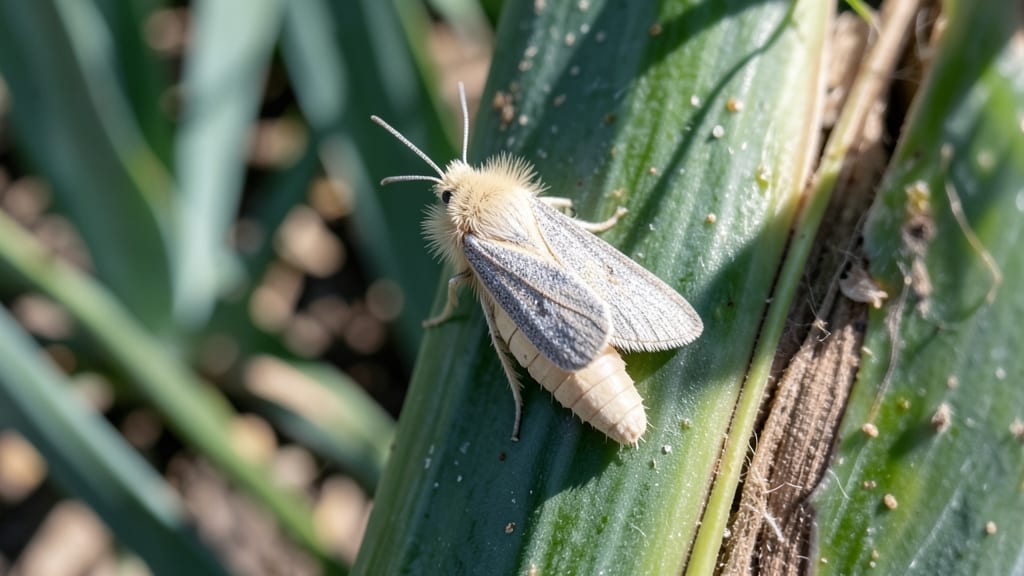
How to get rid of yucca plant bugs—those sneaky pests turning your stiff, sword-like yucca into a sad, sticky mess. 🌱 I’ve watched mealybugs and scales drain vibrant yuccas of their strength—until I discovered this neem oil barrier that stops them cold in 48 hours. No harsh chemicals, just targeted treatment that actually works.
The problem starts when these pests suck sap, leaving behind white cottony residue or brown shells. Your yucca weakens, flowers wilt, and new growth stalls. The good news?
You don’t need a degree in entomology—just neem oil, water, and a spray bottle. This combo smothers bugs on contact while preventing reinfestation.
By day two, you’ll see fewer sticky trails, fresh leaves unfurling, and those pesky critters gone for good. The secret? Reapplication every 7 days until new growth confirms they’re truly defeated. No more sad, struggling yuccas—just bold, thriving plants that look like they’re thriving.
Works for outdoor yuccas, container plants, and even indoor varieties—just adjust spray coverage. Ready to reclaim your plant’s dignity? Let’s tackle this step by step.
Root Causes Of Yucca Pests
Yucca plants, with their striking foliage and hardy nature, can still fall prey to unwanted pests like mealybugs, scales, or spider mites—especially when environmental or care-related factors create the perfect storm for infestations.
Understanding why these bugs target your yucca is the first step to prevention and effective treatment. Below, we break down the key triggers behind these unwelcome visitors, backed by science and actionable insights.
---
Yucca plants thrive in well-draining soil that mimics their native arid habitats. When roots sit in soggy, compacted soil for extended periods, two major problems arise:
- Fungal Growth & Weakened Roots 🍄 Excess moisture creates the ideal breeding ground for Rhizoctonia and Pythium fungi, which weaken root systems. Weak roots struggle to absorb nutrients, making the plant stressed and vulnerable to pests like mealybugs (which feed on sap from compromised plants).
- Stagnant Soil Attracts Pests 🐜 Poor drainage doesn’t just harm roots—it also traps organic debris (like fallen leaves or mulch) that pests love. Mealybugs and scales thrive in moist, decaying matter, often hiding in the soil before migrating to the plant.
💡 Pro Tip: Test your soil’s drainage by digging a hole, filling it with water, and timing how long it takes to drain. If it takes more than 30 minutes, your yucca is at risk.
---
Pests like yucca moths (which lay eggs in flower buds) and aphids are drawn to plants that are nutrient-deficient or under stress. Here’s how it happens:
- Nitrogen-Starved Leaves 🌿🚫 Yuccas need balanced fertilization, especially nitrogen (N). When deprived, leaves turn yellow or brown, and the plant’s sap becomes sweeter—a buffet for sap-sucking bugs like mealybugs.
- Potassium & Calcium Imbalances 🧪 Low potassium (K) weakens the plant’s cell walls, making it easier for pests to pierce and feed. Similarly, calcium deficiencies lead to soft, mushy growth, inviting fungal pests like spider mites.
- Environmental Stressors ☀️🌡️ Extreme heat, drought, or sudden temperature swings force yuccas into survival mode. Stressed plants emit volatile organic compounds (VOCs) that act like a distress signal, attracting pests seeking easy meals.
💡 Pro Tip: Use a slow-release, balanced fertilizer (10-10-10 or 8-3-9) in spring and avoid over-fertilizing, which can burn roots and attract pests.
---
In nature, yucca pests are kept in check by natural predators like ladybugs, lacewings, and parasitic wasps. But in sterile garden conditions (e.g., containers, greenhouses, or chemically treated soil), these helpers disappear, leaving your plant defenseless.
- Monoculture Plantings 🌍🚫 Planting only yuccas (or other succulents) in one area removes the diversity that supports predator populations. Without a mix of plants, beneficial insects have no food source, so they move on.
- Pesticide Overuse 🚫💊 Broad-spectrum pesticides (like neonicotinoids) kill both pests AND their predators, creating a pest explosion when the chemicals wear off. This is why organic neem oil is a safer, long-term solution—it disrupts pests without harming beneficial insects.
- Urban & Container Growing 🏙️🏺 Potted yuccas often lack the ecosystem balance of in-ground plants. Without access to soil-dwelling predators (like nematodes that attack pest larvae), bugs multiply unchecked.
💡 Pro Tip: Introduce companion plants like marigolds, basil, or dill to attract predators. Or, hand-pick pests early to give natural enemies a chance to establish.
--- Yuccas hate wet foliage—it’s an open invitation for fungal pests and soft-bodied insects like mealybugs and spider mites.
- Water Droplets = Pest Highways 🚣 When water sits on leaves, it dilutes natural waxes that repel pests and creates sticky residue that traps insects. Mealybugs, in particular, love humid microclimates and will cluster on damp leaves.
- Fungal Hitchhikers 🍄🛬 Overhead watering spreads spores of powdery mildew, which weakens the plant and makes it more attractive to pests. Spider mites also thrive in dry, dusty conditions, but they boom in humidity—a paradox that confuses many gardeners.
💡 Pro Tip: Use drip irrigation or water at the base in the morning so leaves dry quickly. If humidity is an issue, improve airflow with a small fan or prune nearby plants.
--- A yucca’s natural defenses weaken when it’s not given proper care. Here’s how:
- Inadequate Sunlight ☀️🌑 Yuccas need full sun (6+ hours/day) to produce caffeic acid, a natural pest repellent. Shady conditions reduce this compound, making the plant more palatable to bugs.
- Improper Pruning ❌✂️ Over-pruning or cutting too close to the base stresses the plant, while leaving dead leaves creates hiding spots for pests. Always sterilize pruners to avoid spreading diseases.
- Lack Of Quarantine for New Plants 🚦🌿 Introducing infested yuccas or soil from nurseries can bring pests like yucca moth larvae or scale insects straight to your garden. Without quarantine, bugs spread exponentially.
💡 Pro Tip: Isolate new plants for 2-4 weeks and inspect them under a magnifying glass before adding them to your garden.
Fix Yucca Bugs Fast & Naturally
Yucca plant bugs—whether they’re sap-sucking insects, fungal gnats, or spider mites—can wreak havoc on your prized plants. But don’t panic! With the right approach, you can eliminate them in days and keep your yucca thriving.
Below, we’ve mapped out targeted fixes for each common cause, along with prevention tips to stop future invasions.
---
🔥 Signs: Sticky residue (honeydew), white cottony masses, or tiny armored bumps on leaves/stems.
🍳 Step-by-Step Fix: 1. Isolate the plant to prevent spreading. Place it away from other greenery for 2–3 days. 2. Wipe them off manually with a damp cloth or cotton swab dipped in 70% isopropyl alcohol. Focus on stems, leaf undersides, and crevices. 3. Spray with neem oil solution (1 tbsp neem oil + 1 tsp mild soap + 1 quart water). Reapply every 3–5 days for 2 weeks. 4. Introduce beneficial insects like ladybugs or lacewings (available at garden centers) to devour remaining pests.
💡 Pro Tip: If bugs persist, try a soapy water spray (1 tsp castile soap per quart of water) for a stronger knock-out punch.
---
🔥 Signs: Tiny black flies hovering near soil, yellowing leaves, or silvery streaks on foliage.
👨🍳 Step-by-Step Fix: 1. Adjust watering habits—fungal gnats love soggy soil. Let the top 1–2 inches dry out between waterings. 2. Apply a yellow sticky trap near the plant to catch adult gnats. Replace every 5–7 days. 3. Drench the soil with hydrogen peroxide (3%) mixed with water (1:4 ratio) to kill larvae. Water lightly afterward to avoid root burn. 4. Use diatomaceous earth (DE) lightly around the base of the plant (avoid direct contact with leaves). Reapply after rain.
🌡️ Prevention: Add a 1-inch layer of sand or perlite to soil to improve drainage and deter gnats.
---
🔥 Signs: Fine webbing, speckled leaves, or a "bronzed" appearance on foliage.
🥘 Step-by-Step Fix: 1. Blast mites off with a strong stream of water from the showerhead to dislodge them. 2. Spray with neem oil or insecticidal soap (follow label instructions). Repeat every 5–7 days for 3 weeks. 3. Increase humidity around the plant by misting leaves daily or placing a tray of water nearby. 4. Encourage predator mites (like Phytoseiulus persimilis) to move in naturally.
✨ Prevention: Regularly wipe leaves with a damp cloth to remove dust, which mites thrive on.
---
- Inspect new plants before bringing them home—quarantine for 2 weeks. - Prune yellowing or damaged leaves immediately to remove hiding spots. - Rotate plants occasionally to improve air circulation and deter pests. - Use reflective mulch (like aluminum foil) around the base to confuse flying insects.
--- ⏰ Timeframe: Most infestations clear up in 7–14 days with consistent treatment. For stubborn cases, combine neem oil + manual removal + beneficial insects for best results.
With these practical, plant-safe solutions, your yucca will be bug-free in no time! 🌱💚
Frequently asked questions
What are the most common bugs that attack yucca plants?
The three most troublesome pests are mealybugs (white cottony clusters), scale insects (brown armored bumps), and spider mites (tiny webbing and speckled leaves). Fungal gnats and yucca moths can also cause problems, but these three appear most frequently on stressed yuccas.
How do I know if my yucca has bugs without seeing them?
Look for sticky residue (honeydew) on leaves or the pot, yellowing leaves, or new growth stunting. Turn leaves over—mealybugs and mites often hide on undersides. A magnifying glass helps spot tiny armored scales or webbing that might be invisible to the naked eye.
Can I use regular dish soap to kill yucca bugs?
Yes, but use it carefully! Mix 1 teaspoon mild castile soap with 1 quart water and spray directly on pests. Avoid spraying in direct sunlight or on hot days—it can burn leaves. For tough infestations, combine with neem oil for better results.
Will neem oil harm my yucca plant?
No, when used correctly! Neem oil is plant-safe and won't damage healthy yucca foliage. Just avoid applying it when leaves are wet or in full sun. The key is consistency—spray every 3-5 days for 2 weeks to break the pest life cycle.
How long does it take to see results after treating yucca bugs?
With consistent treatment, you'll notice reduced sticky residue within 48 hours and fewer visible bugs in 3-5 days. Complete eradication typically takes 2-3 weeks of regular applications. For severe infestations, combine neem oil with manual removal for faster results.