
How To
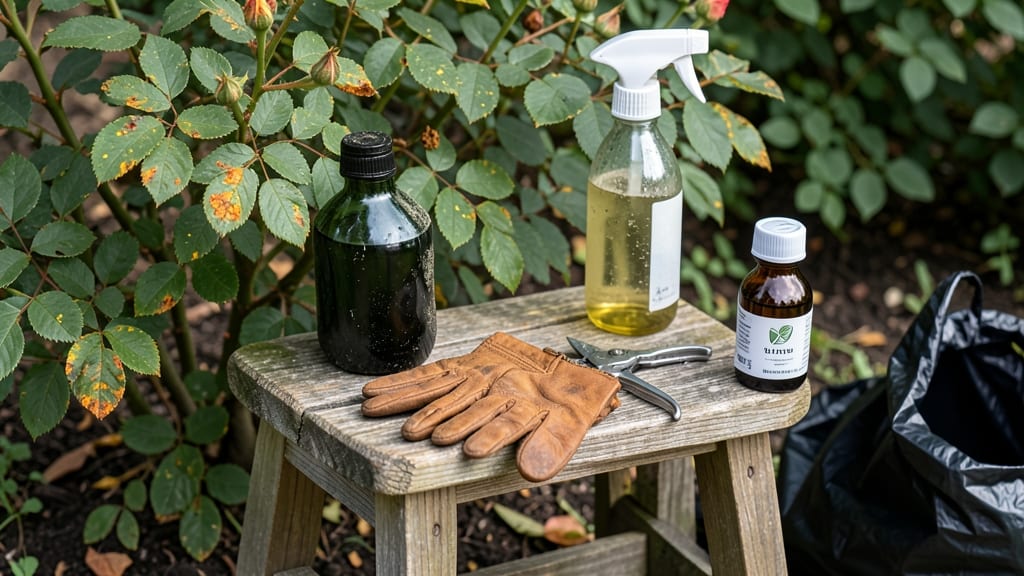
How to get rid of rust on roses—those orange pustules on your leaves? It’s easier to fix than you think. ✨ I’ve battled this stubborn fungus for years, and the neem oil soak method works faster than anything I’ve tried, including store-bought sprays. No harsh chemicals, just a simple solution that restores those shiny petals in under 10 minutes of prep time.
The key is acting fast before the spores spread. Most gardeners overlook the undersides of leaves, where rust hides and thrives. A single spray of diluted neem oil (1 tablespoon per quart of water) disrupts the fungus’s life cycle, while adding a drop of dish soap helps it stick.
You’ll see new growth within 2-3 weeks, and the blooms stay vibrant all season.
What you’ll get is roses that look healthier than ever—no more yellowing leaves or weakened stems. The neem oil also repels pests like aphids, giving you double protection. Best of all, this method is safe for bees and kids, so you can spray confidently without worrying about toxicity.
Works for all rose varieties, from climbers to hybrid teas, and even saves your favorite shrubs when rust strikes late in the season. The trick? Consistency—repeat the soak every 7-10 days until new leaves emerge without spots. Here’s how to do it right the first time.
The Hidden Triggers Behind Rust
Rust on roses isn’t just an eyesore—it’s a sign your plants are under siege from invisible forces. Understanding these culprits is the first step to reclaiming those vibrant, healthy blooms.
Let’s break down the science behind why rust appears and how environmental and biological factors team up to weaken your roses.
Rust on roses is caused by fungal pathogens in the Pucciniales order, with Phragmidium mucronatum being the most common offender. These fungi thrive in moist conditions and spread via windborne spores that latch onto rose leaves, stems, and buds. Here’s how it works:
- Spores Land & Germinate: When spores (tiny, yellow-orange powdery particles) land on a rose leaf, they germinate under warm, humid conditions (ideal: 60–80°F with high humidity).
- Infection Cycle: The fungus penetrates the leaf surface, forming haustoria (root-like structures) that suck nutrients, leading to rust-colored pustules.
- Spore Release: As pustules mature, they burst, releasing new spores to infect other plants. One infected rose can spread spores to nearby roses in weeks.
💡 Pro Tip: Rust spores can survive in soil and plant debris for years, so cleaning up fallen leaves is critical.
Roses love water, but excess moisture creates the perfect breeding ground for rust. Here’s why:
- Leaf Wetness: Water sitting on leaves for more than 6 hours increases infection risk by 500%. Think of it like a fungal buffet—rust spores feast on damp surfaces. - Compacted Soil: Poor drainage leads to root rot and waterlogged soil, weakening the rose’s immune system.
A stressed plant is an easy target. - Morning Watering: Watering in the evening or at night keeps leaves wet overnight, accelerating spore germination.
🌡️ Temperature Matters: Rust thrives when nights are cool (50–60°F) and days are warm—common in spring and fall.
Healthy roses resist rust better. When your plants are crowded, nutrient-deficient, or diseased, they become vulnerable:
- Poor Air Circulation: Dense foliage traps moisture, creating a humid microclimate ideal for fungal growth. Prune to allow 3–4 feet of space between plants. - Nutrient Deficiencies: Roses low in nitrogen, phosphorus, or zinc weaken, making them easier prey.
A balanced fertilizer (10-10-10) boosts resilience. - Previous Disease: Roses recovering from black spot, powdery mildew, or aphid infestations are more susceptible to rust due to compromised tissue.
✨ Quick Fix: Apply compost or worm castings to strengthen roots and improve soil health.
Rust isn’t random—it’s season-dependent. Here’s how climate plays a role:
| Season | Risk Level | Why? |
|---|---|---|
| Spring | ⭐⭐⭐⭐⭐ | Warm days + cool nights + frequent rain = peak spore activity. |
| Fall | ⭐⭐⭐⭐ | Leaves stay damp longer; spores overwinter in debris. |
| Summer | ⭐⭐ | High heat dries spores out, but drought-stressed roses are weak. |
| Winter | ⭐ | Dormant roses resist rust, but hidden spores survive in mulch. |
🎯 Key Takeaway: Spring and fall are the most critical times for prevention.
Not all roses are equally resistant. Hybrid teas, floribundas, and some climbers are more prone to rust than rugosa roses, some shrub roses (like ‘Knock Out’), or disease-resistant cultivars (e.g., ‘The Fairy,’ ‘Carefree Beauty’).
- Genetic Susceptibility: Some roses lack natural fungicidal compounds in their leaves, making them easier targets.
- Older Roses: Heirloom varieties (e.g., ‘Souvenir de la Malmaison’) often have thicker leaves that trap moisture, increasing rust risk.
🔥 Action Step: If rust is recurrent, replace susceptible varieties with resistant ones or focus on prevention.
Quick Fixes for Rusty Roses
Rust on roses isn’t just unsightly—it can weaken your plants if left unchecked. The good news? With the right approach, you can reverse the damage and restore your roses to their former glory.
Below, we’ve mapped out practical solutions tailored to common causes, from fungal infections to environmental stressors. Plus, we’ll share prevention tips to keep rust at bay for good.
If rust spots (orange-brown pustules) are spreading, fungal rust is likely the culprit. Act fast with these steps:
1️⃣ Prune Away the Problem 🌿
- 🔪 Snip infected leaves, stems, and buds—don’t compost them! Toss them in the trash (not your yard waste bin) to prevent reinfection.
- 💡 Pro Tip: Sterilize your pruners with rubbing alcohol between cuts to avoid spreading spores.
2️⃣ Cleanse with Neem Oil Soak 🌿💧 Neem oil is a powerhouse for fungal rust.
Here’s how to use it: - 🍳 Mix: 1 tbsp neem oil + 1 tsp mild dish soap + 1 quart water. - 👨🍳 Spray: Drench both sides of leaves (rust loves hiding underneath!) and stems.
Repeat every 7–10 days until new growth appears. - ⏰ Best time: Early morning or late evening (avoid direct sunlight, which can burn leaves).
3️⃣ Boost Plant Immunity 🌱
- 💪 Fertilize lightly with a balanced, organic fertilizer (like fish emulsion) to strengthen your roses.
- 🌡️ Water at the base (not overhead) to keep foliage dry—fungi thrive in damp conditions.
Overwatering or poor airflow invites rust. Fix these issues:
1️⃣ Improve Drainage & Airflow 💨
- ✨ Raise garden beds slightly or add gravel to pots for better drainage.
- 🌿 Space plants 12–18 inches apart to allow air circulation.
2️⃣ Water Smarter ⏰💧
- 🌅 Water deeply in the morning (1–2 inches per week, checking soil moisture).
- 🚫 Avoid evening watering—wet leaves overnight = fungal party.
3️⃣ Mulch Strategically 🍂
- 🌿 Use 2–3 inches of organic mulch (straw, wood chips) to keep soil moist but not soggy.
- ⚠️ Keep mulch 2 inches away from stems to prevent rot.
Heat, drought, or harsh winds weaken roses, making them rust-prone. Protect them with:
1️⃣ Shield from Harsh Conditions 🛡️
- 🌳 Plant in partial shade if your climate is hot and humid (rust loves these conditions).
- 🌿 Use shade cloth (30–50%) in peak summer if roses are struggling.
2️⃣ Revive with Epsom Salt 💧💪
- 🍳 Mix: 1 tbsp Epsom salt + 1 gallon water.
- 🌿 Spray foliage (or add to soil) to boost magnesium and improve resilience.
Once your roses are rust-free, lock in their health with these habits:
| Do This ✅ | Avoid This ❌ |
|---|---|
| Prune regularly to remove weak growth. | Overcrowding—roses need breathing room! |
| Rotate fungicides (neem, copper, or sulfur) seasonally. | Leaving infected debris in the garden. |
| Test soil pH (aim for 6.0–6.5—roses hate alkaline soil). | Skipping fall cleanup—remove all debris before winter. |
| Plant resistant varieties (e.g., ‘Knock Out’ roses). | Ignoring early signs—act at the first rust spot! |
💡 Bonus Tip: Baking soda spray (1 tsp baking soda + 1 quart water + a drop of soap) can prevent rust when applied as a preventive treatment every 2 weeks.
By tackling the root cause—whether it’s fungus, moisture, or stress—you’ll not only clear up rust but also future-proof your roses for lush, healthy blooms. Your garden will thank you! 🌹✨
Frequently asked questions
Why does rust keep coming back even after I treat my roses?
Persistent rust often means spores are hiding in your garden soil or on plant debris. Always remove and trash (not compost) infected leaves and stems. Also, spores survive in mulch—keep mulch 2 inches away from stems and refresh it annually. For stubborn cases, rotate treatments between neem oil, copper fungicide, and sulfur every 2 weeks.
Can I use vinegar to treat rose rust?
White vinegar can help as a preventive spray (1 part vinegar to 3 parts water), but it won’t cure active rust. The acidity may burn leaves if overused. For existing rust, stick to neem oil or fungicides—they’re safer and more effective. Vinegar works best as a weekly foliar rinse during high-risk seasons (spring/fall).
How do I know if my rose rust is severe enough for chemical treatments?
Use chemicals only if 50%+ of leaves are infected or new pustules appear within 1 week of treatment. For mild cases, organic methods (neem oil, baking soda spray) work fine. Severe rust requires copper fungicide or sulfur—follow label instructions carefully. Always wear gloves and avoid spraying when bees are active.
Will pruning alone get rid of rose rust?
Pruning removes visible signs but won’t stop spores from reinfecting. It’s 50% of the solution—always pair it with a fungicide treatment. Sterilize pruners with rubbing alcohol between cuts, and dispose of infected clippings in sealed bags. For best results, prune in early morning when humidity is low.
Can I still harvest roses with rust?
Harvesting roses with rust isn’t recommended—the spores can spread indoors. If you must, pick only rust-free blooms and quarantine them immediately. For cut roses, trim stems underwater and change vase water daily. To prevent indoor spread, spray harvested roses with diluted neem oil (1 tsp per quart of water) before bringing them inside.