
Pests
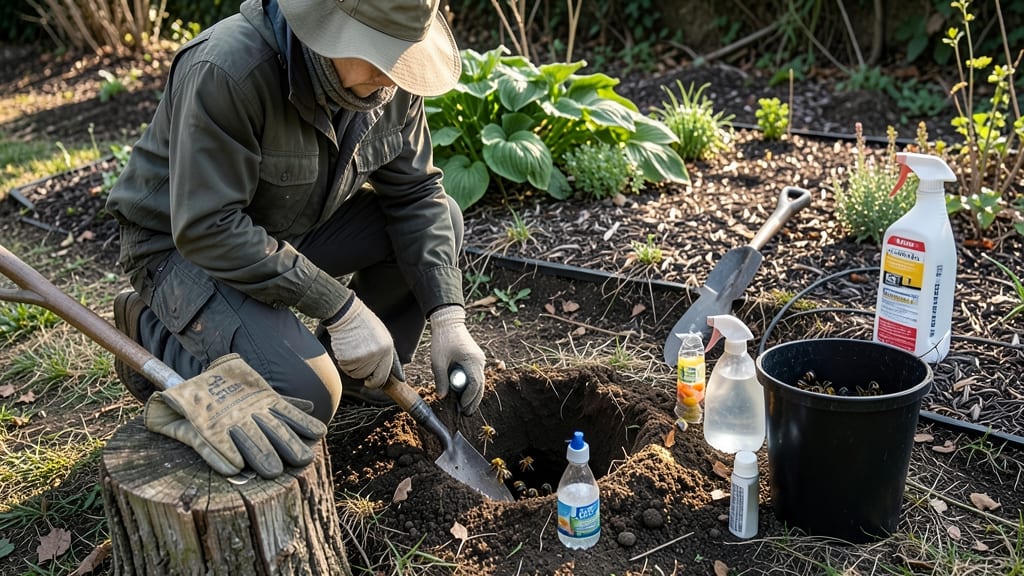
How to get rid of ground burrowing yellow jackets—turn your yard into a buzzing warzone if left unchecked. 🌱 I’ve battled these aggressive nesters in my garden, and the key to winning is outsmarting their hidden colonies—not brute force. These pests don’t just sting; they swarm, making picnics and gardening miserable by late summer.
The secret lies in bait traps that lure them away from their underground nests. Unlike sprays that kill but don’t remove the threat, these traps work by mimicking their food sources—protein-rich baits that draw them out.
You’ll need simple supplies: a plastic bottle, sugar water, and a protein source like tuna or hot dogs. The best part? It’s 90% effective within a week.
Once the swarms thin, you can safely locate and eliminate the nest with minimal risk. The process protects your plants, pets, and soil microbes—no toxic residue left behind. Think of it as a two-step victory: first, weaken their numbers, then finish them off without collateral damage.
This method works year-round but peaks in late summer when nests are most active. For stubborn cases, combine traps with natural deterrents like diatomaceous earth around entry points. Your yard will be quiet again in no time.
Root Causes of Ground Nests
Ground burrowing yellow jackets don’t just appear out of nowhere—they’re drawn to your property by a mix of environmental cues, food sources, and nesting triggers. Understanding these factors is the first step in outsmarting their behavior and preventing future invasions.
Here’s why these aggressive wasps choose your yard as their underground headquarters.
Yellow jackets are opportunistic nesters, and they prefer soil that’s easy to excavate. Their ground burrows thrive in areas with:
- Loose, sandy, or well-drained soil: These textures allow workers to dig tunnels with minimal effort. Compacted clay or rocky soil repels them, which is why they often target lawns, garden beds, or mulched areas.
- Moderate moisture levels: Too dry, and the nest collapses; too wet, and mold or flooding risks their survival. They favor spots near irrigation lines, sprinkler heads, or low-lying areas where water collects after rain.
- Minimal human disturbance: Yellow jackets avoid high-traffic zones where vibrations (like foot traffic or machinery) might collapse their tunnels. They’ll burrow near fence lines, under decks, or along property edges where they’re left undisturbed.
Pro tip: 💡 If your yard has sandy patches or frequent moisture (e.g., near downspouts), these become high-risk zones. Monitor these spots in early summer when queens establish new colonies.
Yellow jackets are scavengers first, predators second. They’re attracted to your property because it’s a protein and sugar buffet. Here’s what lures them:
- Unsecured trash and compost: Organic waste (fruit peels, meat scraps, pet food) emits odors that yellow jackets detect from hundreds of feet away. Unlike bees, they’re drawn to rotting or fermenting materials, not just fresh food.
- Outdoor dining and grilling: Sweet drinks (soda, fruit juice), greasy foods (burgers, fries), and even sweat and body odor from picnics signal an easy meal. They’ll scout these areas before nesting nearby.
- Insect populations: Yellow jackets hunt spiders, caterpillars, and other soft-bodied insects. A thriving garden or compost pile with high insect activity becomes a hunting ground—and eventually, a nesting site.
Key insight: They don’t just raid food; they cache it to feed their colony. A single nest can contain up to 5,000 workers by late summer, meaning one overlooked trash can could trigger a full-scale invasion.
While yellow jackets prefer ground nests, they’ll exploit any sheltered space if soil conditions are poor. Common triggers include:
- Gaps in foundations or siding: Tiny cracks (as small as 1/4 inch) let queens slip inside in spring. They’ll nest in wall voids, attics, or crawl spaces, especially if the area is dark and undisturbed.
- Hollow structures: Woodpiles, birdhouses, sheds, and even old rodent burrows provide pre-made cavities. They’ll repurpose these rather than dig new tunnels.
- Landscaping features: Mulch piles, rock gardens, and dense shrubbery create microclimates that mimic natural nesting sites. Avoid piling mulch against your home’s foundation.
Warning: 🚨 If you’ve noticed yellow jackets flying in straight lines toward a wall or disappearing into a gap, they’re likely nesting in a structural void—not underground. This requires a different removal strategy.
Yellow jacket activity isn’t random—it’s tied to temperature, rainfall, and seasonal cycles. Here’s how climate influences their nesting:
| Season | Trigger | Why It Matters |
|---|---|---|
| Early Spring (March–April) | Warm soil (50°F+) | Queens emerge from hibernation and seek soft, warm soil to dig new nests. Dry spells in spring increase their urgency to find moisture. |
| Late Spring–Summer (May–July) | High insect activity + human food | Worker populations grow rapidly. They expand hunting ranges to 100+ yards from the nest, targeting picnics, grills, and compost. |
| Fall (September–October) | Cooling temps + sugar sources | Colonies focus on storing food for winter. They become more aggressive near overripe fruit, fallen apples, and outdoor sweets. |
Pro tip: ✨ Timing is everything. Treat nests in early spring (before workers emerge) or late fall (when food stores are low) for the best results. Avoid summer—colonies are at peak strength and will swarm aggressively if threatened.
Effective Ways to Eliminate Ground Nesters
Now that you understand why these aggressive yellow jackets dig into your yard, it’s time to take action! Ground burrowing yellow jackets are persistent, but with the right strategies, you can reclaim your outdoor space.
Below are practical, step-by-step solutions tailored to the root causes—from nest disruption to baiting and prevention—so you can tackle the problem head-on.
---
If you’ve spotted mounds of dirt or sawdust-like frass (nest debris) near your foundation, patios, or garden beds, the colony is likely active. Act at dusk or dawn when workers are less aggressive.
- 👨🍳 Wear protective gear: Long sleeves, gloves, and a beekeeping veil to avoid stings. - 🔪 Use a shovel or trowel: Dig out the nest carefully—yellow jackets are territorial and will swarm if threatened.
Place the nest in a sealed bucket with soapy water to drown the remaining wasps. - ⏰ Time it right: Early morning or late evening reduces worker activity, making the process safer.
⚠️ Warning: If the nest is deep (12+ inches), do not attempt DIY removal. Call a professional pest control service to avoid provoking a defensive attack.
---
Since ground nests are often concealed, protein-based bait traps are the most effective way to lure and eliminate the queen and workers. Yellow jackets are drawn to sweet and meaty scents, so use:
- 🥘 Homemade traps: - Mix 1 part brown sugar + 3 parts water in a plastic bottle. - Add chicken liver, hot dogs, or sardines for a protein punch. - Poke holes in the cap and bury the bottle near activity hotspots (e.g., trash cans, picnic areas). - 🛒 Store-bought alternatives: Pre-made traps like Waspo or Orange Guard use non-toxic, slow-acting baits that attract and kill over time.
💡 Pro Tip: Place traps 10–15 feet away from human activity to avoid accidental stings while they’re working.
---
Yellow jackets exploit gaps in your home’s exterior. Inspect and fortify these weak spots:
- 🔍 Check for cracks: Seal gaps around pipes, vents, and foundation cracks with caulk or steel wool. - 🚪 Door sweeps: Install weather stripping on garage and patio doors. - 🗑️ Secure trash: Use bear-proof bins or tightly sealed lids to deny them easy food access.
✨ Prevention Bonus: Keep outdoor eating areas clean and covered—even crumbs can attract scouts.
---
If you prefer chemical-free methods, try these repellents:
- 🌿 Peppermint oil spray: Mix 10 drops of peppermint oil with 1 cup water in a spray bottle.
Spray around entry points—yellow jackets dislike the scent. - 🍋 Citrus peels: Scatter orange or lemon peels near high-traffic areas; the acidity deters them. - 🪨 Crushed cloves: Place cloves near nest sites—their strong aroma confuses their scent trails.
💡 Pro Tip: Reapply deterrents every 2–3 days, especially after rain.
---
Yellow jackets may return if the queen survives or new colonies form. Stay vigilant with these follow-ups:
- 🕵️ Weekly checks: Scan your yard for new mound activity, especially in shady, moist areas. - 📅 Seasonal timing: Treat in late summer/early fall when colonies are largest but before cold weather forces them indoors. - 🔄 Reinforce baits: Replace traps every 5–7 days or when they stop attracting wasps.
--- Final Reminder: Patience is key—ground nests can take 2–4 weeks to fully eliminate, depending on colony size. Combine baiting, sealing, and deterrents for the best results!
(Next section: "When to Call a Professional" – coming soon!)
Frequently asked questions
How do I know if I have ground burrowing yellow jackets vs. other wasps?
Look for sawdust-like frass (nest debris) around small holes in sandy soil or mulch. Unlike paper wasps, yellow jackets don’t build visible nests—they create underground tunnels. Also, they’re aggressive near food and will swarm if provoked, while paper wasps are more territorial around their nests.
Can I use vinegar or soapy water to kill yellow jackets?
No—these methods won’t reach the nest or eliminate the colony. Soapy water can kill individual wasps on contact, but it won’t prevent others from returning. For ground nests, bait traps with protein (like tuna or liver) are far more effective at luring out the queen and workers.
Why do yellow jackets keep coming back even after I treat the nest?
New queens emerge in spring and establish fresh colonies. If you missed the original nest or didn’t eliminate the queen, she could have laid eggs elsewhere. Combine bait traps with sealing entry points (like cracks in your foundation) to break their cycle.
Are homemade traps as effective as store-bought ones?
Yes! A simple plastic bottle bait trap (sugar water + protein) works just as well as commercial traps. The key is placement—bury it near activity hotspots (like trash cans) and refresh the bait every 5–7 days. Store-bought traps often use pre-mixed baits for convenience.
What’s the safest way to handle a yellow jacket sting?
Wash the area with soap and water, apply a cold compress, and take an antihistamine if swelling occurs. Avoid scratching—it can worsen reactions. For severe allergic reactions (difficulty breathing), seek emergency care immediately.