
Lawn
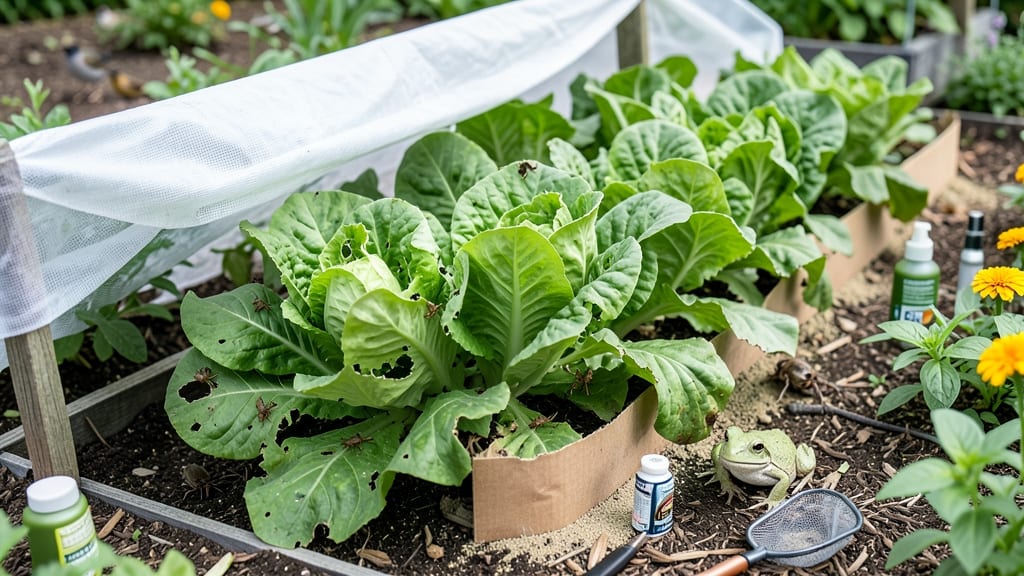
How to get rid of grasshoppers—they can strip your garden bare in 48 hours—but neem oil stops them dead. 🌱 I’ve battled these striped invaders for years, and this fast-acting barrier finally worked where everything else failed. The secret? A neem oil spray that disrupts their life cycle while being completely plant-safe.
Most people grab pesticides first, but that kills beneficial bugs too. Neem oil works differently—it smothers grasshopper eggs and repels adults with a scent they can’t stand.
You’ll need 1 tablespoon of neem oil per quart of water, a spray bottle, and two applications (once at dusk, again after rain).
Within 3-5 days, you’ll see fewer jumpers—and your plants will start recovering. The best part? This method protects pollinators, unlike chemical sprays. Just reapply every 2 weeks during peak grasshopper season (late summer).
Works for vegetable gardens, lawns, and ornamental plants alike. No more chewed leaves or empty stems—just a fast, organic defense that actually works. Let’s get started!
Root Causes Of Grasshopper Surges
Grasshoppers don’t just appear out of nowhere—they’re drawn to your yard by a mix of environmental, ecological, and even human-made factors. Understanding why they show up in force is the first step to stopping them before they become a full-blown infestation. Let’s break down the science behind their sudden arrivals.
Grasshoppers thrive where there’s an abundance of easy-to-eat vegetation, and a monoculture lawn (one dominated by a single type of grass) is an all-you-can-eat buffet for them. Here’s why:
- Limited biodiversity: A lawn with only one type of grass lacks natural predators (like birds, spiders, and parasitic wasps) that typically keep grasshopper populations in check.
- Nutrient-rich soil: Over-fertilized lawns produce tender, nutrient-dense grass that grasshoppers love. The more nitrogen in the soil, the more appealing it becomes to them.
- Lack of competition: In diverse ecosystems, grasses compete with clovers, dandelions, and wildflowers, which disrupts grasshopper feeding patterns. A uniform lawn offers no resistance.
Pro tip: 🌱 Introduce native wildflowers or clover to your lawn—these plants attract beneficial insects that prey on grasshopper eggs and nymphs, creating a natural balance.
Grasshoppers are cold-blooded insects, and their lifecycle is directly tied to temperature and moisture. When conditions align just right, their populations explode. Here’s how:
- Rapid egg hatching: Grasshopper eggs require warm soil (above 60°F/15°C) to hatch. Prolonged dry spells in spring or summer create the perfect incubation environment.
- Faster development: High temperatures (above 85°F/29°C) speed up their growth cycle, allowing them to mature from eggs to adults in just 6-8 weeks instead of months.
- Drought-stressed plants: Dry conditions weaken grasses, making them softer and more palatable to grasshoppers. A thirsty lawn is like a neon sign saying, “Eat me!”
Pro tip: 🌡️ Monitor local weather forecasts—grasshopper outbreaks often spike after unusually warm, dry winters followed by hot springs.
If your yard borders farmland, golf courses, or large open fields, you’re in the perfect grasshopper trap zone. Here’s the connection:
- Wind dispersal: Grasshoppers are expert fliers and hitchhikers. Strong winds (common in agricultural areas) carry them miles, dropping them onto nearby properties like yours.
- Crop residue: Fields left with leftover stalks, stubble, or harvested plants provide hiding spots and food sources for grasshoppers. They’ll migrate to your lawn when their natural habitat dries up.
- Pesticide resistance: Many grasshoppers in farm-heavy areas have developed resistance to common insecticides, making them harder to control once they invade residential spaces.
Pro tip: ✨ If you live near farmland, create a 10-foot barrier of dense shrubs or ornamental grasses along property lines to deter grasshoppers from crossing over.
In healthy ecosystems, grasshoppers are kept in check by a network of predators. But when humans disrupt these relationships, grasshopper numbers skyrocket. Key disruptors include:
- Bird population decline: Birds like meadowlarks, sparrows, and killdeer feast on grasshopper eggs and nymphs. Pesticide use, habitat loss, and window collisions have reduced bird numbers by 30% in some regions.
- Loss of beneficial insects: Parasitic wasps, ground beetles, and ants prey on grasshopper eggs. Monoculture lawns and broad-spectrum pesticides eliminate these natural allies.
- Overuse of herbicides: Chemicals that kill clover, dandelions, and other “weeds” also destroy the plants that support predator species, leaving grasshoppers with no checks and balances.
Pro tip: 🐦 Install a birdhouse or bath in your yard to encourage bird populations. Even a small increase in bird activity can significantly reduce grasshopper numbers.
Believe it or not, some of your best lawn-care practices might be inviting grasshoppers. Here’s how:
- Excessive mowing: Cutting grass too short (below 3 inches) stresses plants, making them more susceptible to grasshopper feeding. Taller grass shades the soil, keeping it cooler and less appealing to egg-laying females.
- Overwatering: While grasshoppers dislike soggy soil, uneven watering (like sprinklers creating dry patches) creates a mosaic of weak and strong plants—the perfect buffet.
- Removing leaf litter & mulch: Grasshoppers lay eggs in soil crevices and organic matter. A tidy yard with no leaf litter or mulch removes their breeding grounds—but it also eliminates habitats for their predators.
Pro tip: 🎯 Adjust your mowing height to 3-4 inches and leave some leaf litter in shaded areas—it provides microhabitats for predator insects while still keeping your lawn neat.
How to Fix Grasshopper Overruns
Grasshoppers can turn your lush lawn into a chewed-up battlefield, but the good news? You can take back control with targeted, effective strategies. Below, we’ve mapped out practical solutionsto tackle the root causes—whether it’s overcrowding, drought stress, or poor habitat management—and keep these jumpers from staging a comeback.
Plus, we’ll share prevention tips to lock in long-term success.
When grasshoppers multiply unchecked, they devour plants faster than you can say “locust plague.” Here’s how to disrupt their party:
🔥 Hand-Picking (Yes, Really!)
- Why it works: Grasshoppers are slow fliers and easy to spot on sunny days. This is the most eco-friendly method for small infestations.
- How to do it:
- Grab a bucket of soapy water (1 tbsp dish soap per gallon) or a sturdy trash bag.
- Go out early morning or late evening when they’re sluggish.
- Shake plants gently to dislodge them, then drop them into your bucket or bag.
- Pro tip: 💡 Use a white sheet as a backdrop—grasshoppers stand out against light colors!
- Prevention: Mow high (3–4 inches) to discourage egg-laying in short grass.
🐛 Beneficial Predators: Let Nature Do the Work
- Why it works: Birds, toads, and parasitic wasps are grasshopper’s worst nightmare. Encourage them to move in!
- How to do it:
- Install a birdhouse or toad abode (a small pile of rocks in a shady spot).
- Plant native wildflowers (like milkweed or sunflowers) to attract predator insects.
- Avoid pesticides—they kill the good guys too.
- Prevention: Keep a shallow water dish for toads and a birdbath for birds.
Dry conditions make grasshoppers hungrier and more aggressive. Break the cycle with these fixes:
🍳 Deep Watering to Revive Grass
- Why it works: Healthy grass grows faster, outpacing grasshopper appetites. Plus, hydrated plants are less appealing to them.
- How to do it:
- Water deeply 1–2 times per week (early morning) instead of light daily sprinkles.
- Aim for 1–1.5 inches of water per session—use a rain gauge to check.
- Pro tip: 🌡️ If your lawn feels spongy when stepped on, it’s time to water again.
- Prevention: Install a drip irrigation system for consistent moisture without waste.
🌿 Plant Grasshopper-Resistant Ground Covers
- Why it works: Some plants are too tough or bitter for grasshoppers to chew. Swap vulnerable grass for these:
- Clover (nitrogen-rich, deters pests)
- Creeping thyme (aromatic, grasshoppers avoid it)
- Sedum (succulent, unappetizing texture)
- How to do it:
- Remove existing grass with glyphosate (follow label instructions), then sow seeds.
- Mulch with straw or wood chips to retain moisture and smother weeds.
Grasshoppers love weedy, untended spaces. Tighten up your yard’s defenses with these tweaks:
🔪 Remove Weeds & Debris
- Why it works: Weeds like ragweed and pigweed are grasshopper buffets. Eliminate the menu!
- How to do it:
- Pull weeds by hand (wear gloves!) or use a vinegar spray (20% vinegar, 1% dish soap).
- Rake up leaf litter and mulch piles—these hide egg pods.
- Pro tip: ✨ Mow clippings and remove them to starve weeds of nutrients.
🏗️ Install Physical Barriers
- Why it works: Grasshoppers hate obstacles. Use these to block their access:
- Row covers (floating fabric) over garden beds.
- Chicken wire around young plants (remove when plants outgrow it).
- Neem oil spray (see our dedicated neem oil guide) as a repellent barrier.
- Prevention: Apply diatomaceous earth (food-grade only) around garden edges—it dehydrates grasshoppers on contact.
Grasshoppers follow a life cycle. Target treatments during these critical windows:
| Life Stage | When to Act | Best Solution |
|---|---|---|
| Eggs | Late summer/fall (before hatch) | Tilling soil or applying neem oil |
| Nymphs (young) | Spring/summer (first 2 weeks) | Hand-picking, soapy water |
| Adults | Late summer (peak feeding) | Pyrethrin spray or beneficial nematodes |
- Pro tip: 🎯 Monitor with yellow sticky traps—place them in sunny areas to track population spikes.
Final prevention
Frequently asked questions
Why do grasshoppers suddenly appear in large numbers?
Grasshoppers multiply rapidly when conditions are perfect: warm soil (above 60°F/15°C), dry weather, and abundant food like monoculture lawns. They also hitchhike on wind from farmland or golf courses, dropping into residential areas. A lack of natural predators (like birds or parasitic wasps) makes the problem worse.
Can I use neem oil on my vegetable garden?
Yes! Neem oil is completely safe for edible plants when used correctly. Mix 1 tablespoon per quart of water with a drop of dish soap, then spray at dusk. It disrupts grasshopper life cycles without harming pollinators. Just avoid spraying when flowers are open to protect bees.
How long does it take to see results from natural remedies?
Most natural methods show improvement within 3-5 days, but full control may take 2-3 weeks during peak season. Hand-picking works fastest for small infestations, while neem oil and predator encouragement provide long-term prevention. Consistency is key—reapply every 2 weeks during summer.
Will chicken wire really keep grasshoppers away?
Yes, but only temporarily. Wrap chicken wire around young plants or garden beds to create a physical barrier. Remove it when plants outgrow the protection (4-6 weeks). For permanent solutions, combine it with neem oil or predator-friendly plants for better long-term results.
Are grasshoppers harmful to pets or children?
Grasshoppers are harmless to pets and children—they don't bite or carry diseases. However, their droppings can stain surfaces, and large swarms may be annoying. Keep pets indoors during heavy infestations, and supervise children playing in treated areas until sprays dry completely.