
Pests
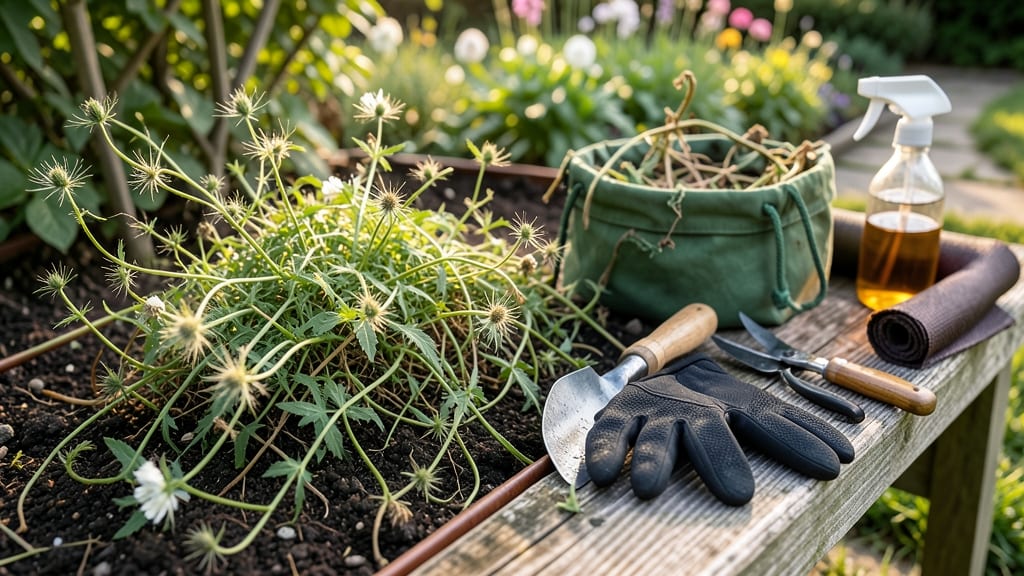
How to get rid of Galium aparine—the stubborn cleavers—feels like a losing battle until you learn the right approach. 🌱 I’ve wrestled with these weeds for years, and the key isn’t brute force but smart timing and layered strategies that actually work. This weed clings like Velcro, but with the right techniques, you can reclaim your garden without resorting to harsh chemicals—or giving up entirely.
The problem isn’t just the clinging seeds; it’s how they spread. One plant can produce thousands of tiny barbs that latch onto clothing, pets, and tools, then germinate anywhere they land. Most people pull too late or too shallow, letting the roots regenerate.
The solution? Attack it early in spring before seeds mature, and combine pulling with smothering methods that starve the roots out.
By smothering with thick mulch or cardboard, you’ll see fewer cleavers popping up within weeks. For stubborn patches, a targeted herbicide (like glyphosate) works—but only as a last resort, with careful application to avoid harming nearby plants.
The real win? Preventing regrowth by keeping your garden beds clean and monitoring for new sprouts.
This isn’t a one-time fix; it’s a seasonal game of patience and persistence. But once you master the rhythm—pull, smother, repeat—you’ll watch those tenacious weeds fade for good. Let’s break down the exact steps that finally worked for me.
The Hidden Triggers Behind Cleavers
Galium aparine—commonly known as cleavers, goosegrass, or sticky weed—isn’t just a nuisance; it’s a highly opportunistic invader that thrives under the right conditions. Understanding why it takes over your garden or lawn is the first step to reclaiming your green space.
Let’s break down the science behind its persistence and how environmental factors, human activity, and even your soil type can turn a small patch into a full-blown infestation.
Cleavers are masters of adaptability, but they have a few soil preferences that make them particularly aggressive:
- Rich, moist soil: Galium aparine loves nitrogen-rich environments—think compost-heavy gardens, over-fertilized lawns, or areas with decaying organic matter. Why? Nitrogen boosts its growth rate, allowing it to outcompete other plants quickly.
- Partial shade tolerance: While it can handle full sun, cleavers often dominate in dappled sunlight (like under fruit trees or shrubs) or light shade. This makes them a common pest in vegetable gardens and woodland edges.
- Poor drainage: Unlike drought-tolerant weeds, cleavers thrive in consistently damp soil. If your yard holds water after rain or has compacted clay, you’re creating the perfect cleaver buffet.
Pro Tip: 💡 Test your soil’s pH and nitrogen levels—if it’s above 6.5 pH or overly fertile, cleavers will see it as an all-you-can-eat buffet. Amending soil with sand or organic matter to improve drainage can starve them out.
Cleavers aren’t picky about seasons, but they peak during specific weather patterns:
- Cool, wet springs: Ideal for germination. Seeds sprout enthusiastically when soil temps hover between 50–70°F (10–21°C), which is common in early spring or fall in temperate zones.
- Mild winters: Unlike annuals that die in frost, cleavers often persist as perennials in regions with minimal freezing (Zones 5–9). They’ll regrow from roots or fallen seeds the next season.
- Humid summers: High moisture levels keep them lush and accelerate seed production. A single plant can release hundreds of seeds that cling to clothing, pets, and equipment—spreading like wildfire.
Did You Know? ❄️ In colder climates, a hard frost (below 20°F/-7°C) can kill mature plants—but their seeds may still linger in the soil for years.
Cleavers don’t just pop up on their own—they hitchhike thanks to human habits. Here’s how:
| Activity | How Cleavers Spread | Avoidance Tip |
|---|---|---|
| 🛍️ Gardening tools | Seeds cling to shovels, rakes, and pruners, then get deposited in new soil. | Disinfect tools with 70% rubbing alcohol or hot, soapy water between uses. |
| 🐕 Pets | Dogs and cats carry seeds on their fur, dropping them in yards or parks. | Brush pets thoroughly after walks in infested areas. |
| 👕 Clothing | Hook-like bristles snag on fabric, then release seeds when you move. | Shake out clothes outdoors before entering clean areas. |
| 🚜 Lawn equipment | Mowers and tractors spread seeds across large areas. | Clean equipment with a damp cloth after use in infested zones. |
Warning: 🚨 Even “harmless” activities like picnics or hiking can transport cleavers. If you’ve visited a known infestation, inspect your gear before heading home.
Cleavers exploit weak spots in your garden’s ecosystem. Here’s how:
- Thin or sparse plantings: When ground cover is missing (e.g., bare soil, newly seeded lawns), cleavers fill the void faster than desirable plants.
- Over-crowded monocultures: Lawns with only grass or vegetable gardens with single crops create uniform conditions that cleavers love. Diversity disrupts their dominance.
- Disturbed soil: Digging, tilling, or even foot traffic buries seeds, bringing them closer to moisture and light—triggering germination.
Solution: 🌱 Encourage ground covers like clover or mulch heavily to block sunlight and outcompete cleavers before they take root.
Key Takeaway: Cleavers don’t just appear—they’re invited by the right mix of soil, weather, and human habits. By addressing these triggers, you can starve them out before they become a full-blown garden takeover. Next up: How to Break the Cycle.
Practical Ways to Eliminate Galium Aparine
Now that you understand why this pesky weed thrives, let’s tackle it head-on with effective, actionable solutions tailored to your situation.
Whether you’re dealing with a small patch in your garden or a full-blown infestation, these methods will help you smother, pull, and prevent Galium aparine (better known as cleavers or goosegrass) for good.
The most direct way to tackle Galium aparine is by pulling it out by hand or root. This method works best for small, manageable areas, but consistency is key—missed roots will regrow!
🔥 When to Pull
- Early spring or fall (when soil is moist but not waterlogged).
- After rain (roots are easier to extract when damp).
- Before seeding (late spring to early summer) to prevent spread.
👨🍳 Step-by-Step Pulling Guide
- Wear gloves – Cleavers have tiny hooks that cling to skin and clothing. 🧤
- Grab the base – Use both hands to grasp the plant near the soil line.
- Twist and tug – Galium aparine has a brittle stem, so a sharp twist helps break the root.
- Check for remnants – Even small root fragments can sprout new plants. 🔍
- Dispose properly – Do not compost (seeds can survive).
Bag and trash it or burn it (if legal in your area).
✨ Pro Tip: Pulling works best in well-mulched beds where the soil is loose. If the ground is hard, loosen it first with a fork or hoe.
Galium aparine thrives in sunny, disturbed soil. Cut off its sunlight, and it’ll weaken and die.
🔥 How to Smother It
| Method | How to Do It | Best For |
|---|---|---|
| Cardboard/Newspaper | Lay down layers (2-3 sheets thick), wet them, then cover with 6+ inches of mulch (straw, wood chips). | Small garden beds, pathways. |
| Black Plastic Sheeting | Cover the area tightly for 4-6 weeks in summer (kills weeds + warms soil). | Large infestations, driveways. |
| Heavy Mulch | Apply 6+ inches of organic mulch (straw, leaves, grass clippings) to block light. | Long-term prevention. |
💡 Prevention Tip: After smothering, keep the area covered—new cleavers will pop up if sunlight returns.
If manual and smothering methods fail, herbicides can help—but use them sparingly and safely.
🍳 Best Herbicide Options
- Glyphosate (Roundup) – Spray on dry, wind-free days (follow label instructions).
Works well for large areas but kills all plants. - Vinegar-Based Sprays – A 20% acetic acid solution (1 part vinegar + 1 part water + a drop of dish soap) can kill cleavers without harming most plants.
Reapply every 3-5 days until dead. 🍶 - Pre-Emergent Herbicides – Apply in early spring to prevent seeds from germinating (e.g., corn gluten meal).
⚠️ Warning: Herbicides can harm beneficial plants and soil microbes. Spot-treat only and avoid overuse.
Once you’ve eliminated Galium aparine, keep it from coming back with these habits:
🎯 Garden Maintenance
- Mulch thickly (4-6 inches) to block sunlight and suppress weeds.
- Plant densely – Crowd out cleavers with ground covers like creeping thyme, clover, or dense grass.
- Remove weeds early – Don’t let cleavers go to seed!
🌱 Soil Health Boosters
- Improve drainage – Cleavers love moist, compacted soil. Amend with compost or sand to loosen it.
- Encourage beneficial microbes – Healthy soil competes with weeds naturally.
🚫 Avoid Spreading It
- Clean tools and shoes after working in infested areas.
- Inspect firewood and garden tools – Cleavers can hitch a ride.
Final Thought: Galium aparine may be stubborn, but with consistent effort, you can eliminate it for good. Start with pulling and smothering, then maintain healthy soil to keep it from staging a comeback! 🚀
Frequently asked questions
Why does Galium aparine cling so stubbornly to everything?
Those tiny barbs along its stems are covered in microscopic hooks that latch onto fabric, animal fur, and even human skin. The plant uses this trait to spread its seeds—when you move, the seeds detach and scatter. This is why you’ll find cleavers popping up in unexpected places after visiting an infested area.
Can I use vinegar to kill cleavers without harming my garden?
Yes, but with caution! A 20% acetic acid solution (1 part vinegar + 1 part water + dish soap) works well on young plants. Apply on a dry, sunny day and reapply every 3-5 days until the weeds die. Avoid spraying desirable plants, as vinegar can damage them too.
How long does it take for smothering methods to work?
With thick mulch (6+ inches) or black plastic, you’ll see results in 4-6 weeks during warm weather. The key is consistency—keep the area covered until new growth stops appearing. In cooler months, the process may take longer.
Will tilling my garden help get rid of cleavers?
No, tilling actually makes the problem worse! Disturbing the soil buries seeds deeper, bringing them closer to moisture and light—triggering more germination. Instead, pull weeds by hand or use smothering techniques to prevent spread.
Are cleavers harmful to my plants or pets?
While not toxic, cleavers can compete aggressively with your garden plants for nutrients and sunlight. For pets, the sticky seeds can irritate skin or fur, but they’re not poisonous. Remove them promptly to prevent discomfort.