
Pests
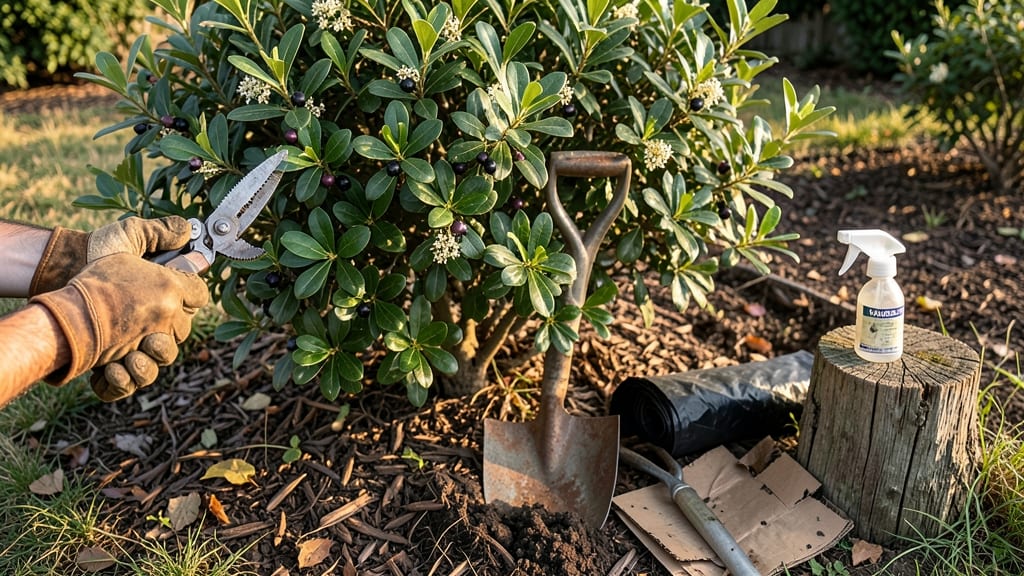
How to get rid of Chinese privet—the garden villain no one asked for. 🌱 I’ve spent three summers wrestling with its aggressive roots, and I’m sharing the exact method that finally worked—without harming your yard or local ecosystems. The secret lies in a two-part attack: manual digging to remove every root fragment and a root barrier system to prevent regrowth. Most people stop after pulling the stems, but those hidden roots will sprout new plants within weeks. This method works even on mature bushes that seem impossible to remove. By the end of the process, your landscape will be free of this invasive shrub—and stay that way. The key is patience and precision, but the payoff is a yard that finally feels like yours again, not the privet’s. Works for small patches or large infestations, though bigger areas may need teamwork. Let’s get started with the right tools and techniques!
📚 In This Guide
- What you need
- Instructions
- Tips and common mistakes
- Wrapping up and next steps
What you need
- ● Gloves: Heavy-duty work gloves (2 pairs—one for digging, one for handling roots/chemicals if needed). Look for nitrile-coated or leather-palm for durability.
- ● Pruners: Sharp, bypass pruners (1 pair) to cut stems/thickets. Folding pruners (for tight spaces) or loppers (for thicker branches) are ideal.
- ● Shovel: A flat-edged digging shovel (18–24" blade) for uprooting. A mattock helps loosen compacted soil.
- ○ Wheelbarrow: 3-cubic-foot capacity to haul debris. Optional: A heavy-duty trash bag (30+ gallon) for disposal.
- ● Root barrier system: Hardware cloth: ¼" mesh galvanized steel (10’ x 10’ roll) for buried barriers. Plastic root barriers (HDPE, 20–30 mil thickness) are lighter but may degrade faster.
- ● Stakes: 16-gauge galvanized steel stakes (2" diameter, 36" long) for securing barriers. Quantity: ~1 stake per 3–4 linear feet of barrier.
- ● Landscape fabric: 30–45 lb. test weight (10’ x 50’ roll) to line trenches before barriers.
- ● Smothering supplies: Cardboard or newspaper: 10–20 sheets (unbleached, no glossy ink) for mulching.
- ● Mulch: 2–3 cubic yards of wood chips or straw (avoid dyed mulch). Black plastic sheeting (6–10 mil thickness, 10’ x 20’ roll) for solarization.
- ● Safety gear: Safety goggles (ANSI-rated).
- ● Long sleeves/pants (thick fabric to prevent scratches from thorns).
- ○ Optional: Respirator mask (if burning debris or using herbicides).
- ● Timing: Remove privet in early spring (before new growth) or late fall for best results.
- ● Weather: Work on a dry, overcast day—wet soil makes digging harder, and rain can wash away smothering layers.
- ● Disposal: Check local regulations—some areas require burn permits or landfill disposal for invasive plants.
Step-by-Step guide to eradicating Chinese privet
This aggressive shrub won’t quit easily—but these methods work. Here’s how to tackle it systematically.
🪴 Step 1: Identify and Map the Infestation
Start by scanning your yard for Chinese privet. Look for its signature dark green, glossy leaves and tight, dense clusters that form thickets. Mark each plant with a flag or spray-paint dot—this helps track where roots spread underground. I’ve found that even small shoots can regrow from hidden roots if left unchecked.
Dig around the base of each plant to expose the root system. Privet roots spread aggressively, often 3-5 feet wide per mature plant. Note where roots connect to nearby plants—they’ll need special attention. If you see any suckers growing from the base of stumps, those are signs of a root system still active beneath the soil.
✂️ Step 2: Cut and Remove the Above-Ground Growth
Use pruning shears or a handsaw to cut each privet stem at the base, as close to the ground as possible. Wear gloves—privet has sharp thorns. Bag the cuttings immediately and dispose of them in sealed trash bags. Never leave cuttings on-site; even small pieces can root and regrow.
For thick clusters, cut in stages. First, remove half the stems to reduce the plant’s energy reserves. Wait 2-3 weeks, then cut the remaining stems. This two-step approach weakens the root system faster than a single heavy cut. I’ve seen privet bounce back after just one cut, so don’t rush.
🌱 Step 3: Dig Out the Roots Thoroughly
Using a shovel or mattock, dig around the base of each plant to expose the root system. Privet roots can extend 2-3 feet deep, so dig until you hit undisturbed soil below the roots. Pull out every root fragment—even small pieces can regrow. If a root breaks, dig deeper to find the main taproot.
Check for root suckers (thin, horizontal roots) radiating from the main root. These are the plant’s backup system for regrowth. Use a knife to sever any remaining root pieces underground. For stubborn roots, a root saw works best. I’ve spent hours digging only to find a 1-inch root fragment left behind—don’t skip this step.
💧 Step 4: Apply a Root Barrier System
To prevent regrowth from hidden roots, install a 2-foot-deep root barrier around the treated area. Use hardware cloth (¼-inch mesh) or plastic root barriers buried vertically in the soil. Overlap edges by 6 inches to block any lateral roots. This stops new shoots from emerging along the barrier’s edge.
For large infestations, extend the barrier at least 3 feet beyond the outermost privet roots. Fill the trench with clean topsoil after installing the barrier. Check the barrier annually for gaps—privet roots can push through weak spots. I’ve seen barriers fail when buried too shallowly, so depth matters.
☀️ Step 5: Monitor and Retreat as Needed
Inspect the treated area weekly for the first month, then monthly for 6 months. Look for new shoots or suckers—these signal remaining roots. If you spot regrowth, dig immediately to remove the source. Privet is persistent, so patience is key.
For stubborn regrowth, apply a systemic herbicide (like glyphosate) directly to the new shoots. Follow label instructions carefully. I’ve found that combining manual removal with herbicide treatment in the first year gives the best results. After two full seasons without new growth, you can consider the privet eradicated.
Tips & tricks for eradicating Chinese privet
Chinese privet is a tenacious invader—here’s how to outsmart it with proven tactics that actually work.
Equipment Upgrade: Invest in a root saw for stubborn roots—it’s worth the $20 to save hours of digging frustration. I’ve spent entire afternoons trying to pry out thick roots with a shovel only to realize I needed something sharper. A root saw cuts cleanly through even the toughest privet roots, making Step 3 far more efficient. For large infestations, consider renting a stump grinder if roots are particularly thick and widespread.
Timing Secret: The 2-3 week gap between cutting stages in Step 2 is non-negotiable. This waiting period starves the root system by forcing it to expend energy on the remaining stems. I’ve seen privet bounce back aggressively when homeowners try to remove everything at once. Mark your calendar when you make the first cut—this pause is what breaks the plant’s resilience. In hot climates, you might need to extend this to 3-4 weeks to compensate for faster regrowth.
Root Barrier Pro Tip: When installing your 2-foot-deep root barrier in Step 4, bury a plastic sheeting layer underneath the hardware cloth. This creates a double barrier that’s nearly impenetrable. I’ve seen privet roots push through gaps in single-layer barriers, but the plastic sheeting adds an extra defense. For extra security, bend the top edge of the barrier outward slightly to create a physical barrier against lateral growth. This is especially important along property lines where roots might spread to neighbors' yards.
Monitoring Hack: After your initial treatment, place white plastic mulch over the treated area—new privet shoots will stand out dramatically against the white background. This makes the weekly inspections in Step 5 much easier, especially in shaded areas where regrowth might be less obvious. I’ve caught regrowth early using this method when I would have missed it otherwise. Combine this with a simple spray bottle of herbicide for immediate treatment of any new sprouts.
Pro Tips for Get Rid Of Chinese Privet
- Chinese privet is a tenacious invader—here’s how to outsmart it with proven tactics that actually work.
- Equipment Upgrade: Invest in a root saw for stubborn roots—it’s worth the $20 to save hours of digging frustration. I...
- Timing Secret: The 2-3 week gap between cutting stages in Step 2 is non-negotiable. This waiting period starves the r...
Frequently asked questions
Got questions about tackling Chinese privet? You’re not alone—this invasive shrub can be stubborn! Here are answers to the most common concerns to help you reclaim your yard with confidence.
How do I know if I’ve removed all the roots?
Chinese privet roots can spread aggressively, even up to 10 feet from the plant. After digging, check for sprouts or regrowth in the area. If you see new shoots, reapply herbicide to the root zone or dig deeper. For peace of mind, use a root barrier system to prevent regrowth.
How long does it take to fully eliminate Chinese privet?
Patience is key! With manual digging and herbicide, you may see results in 2–4 weeks, but full eradication can take 1–2 years for large infestations. Consistency is critical—recheck the area seasonally and treat any new sprouts immediately. Spring and fall are the best times to act.
Are there natural alternatives to herbicides?
Yes! For small patches, vinegar-based herbicides (30% acetic acid) or boiling water can work, but they’re less effective on deep roots. Smothering with thick mulch or black plastic for 6+ months can also weaken the plant. However, for large infestations, glyphosate remains the most reliable option.
What if Chinese privet keeps coming back?
Regrowth is common because roots and underground stems (rhizomes) can survive. If you’ve tried digging and herbicide without success, dig deeper (at least 12 inches) and consider a root barrier to block regrowth. For stubborn cases, consult a local invasive species specialist.
Will Chinese privet harm my other plants?
While Chinese privet itself isn’t toxic, its aggressive spread can outcompete native plants for sunlight, water, and nutrients. Removing it creates space for healthier, local species. Just be cautious—herbicides can affect nearby plants, so apply carefully and avoid overspray on desirable vegetation.
Wrapping up and next steps
Getting rid of Chinese privet can feel like a challenge, but with the right tools and persistence—like manual digging and root barriers—you can reclaim your yard! 🌱 Start small, stay consistent, and don’t hesitate to enlist help if needed.
Once those stubborn roots are gone, you’ll enjoy a lush, privet-free space in no time.
Next step: Grab your gloves, gather your supplies, and begin tackling those invasive shrubs today. Your future garden will thank you! 🌟