
Pests
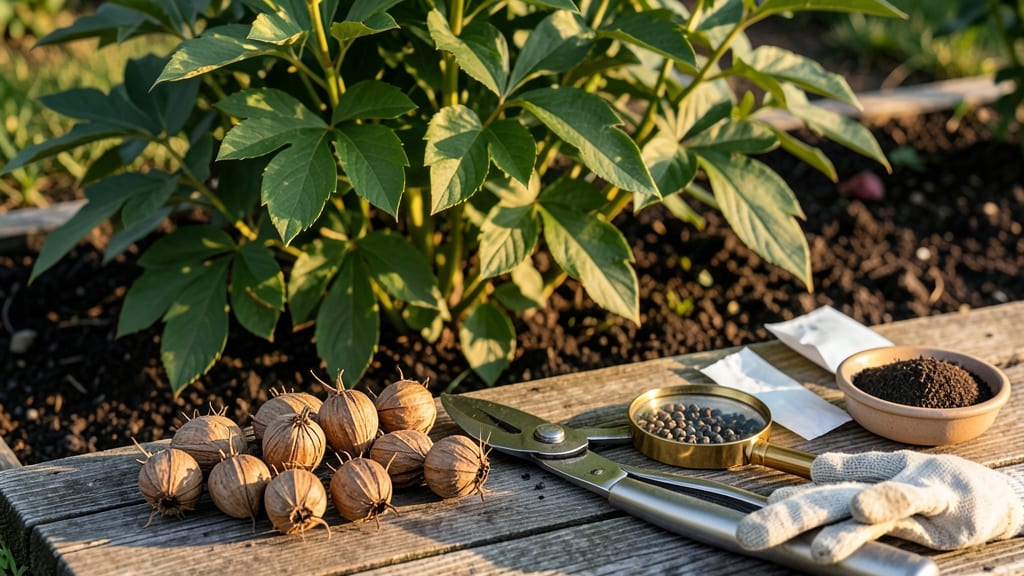
Getting peony seeds isn’t like harvesting tomatoes—it’s a rare, patient game. 🌱 Most gardeners never bother because peony seeds from hybrid varieties are often sterile or fail to reproduce true-to-type plants. But if you’re growing herbaceous peonies (not the fancy hybrids), here’s how to collect seeds when they’re ready.
The perfect timing starts in late summer when peony seed pods turn brown and papery. Wait until they’re fully dry but still intact—squeeze gently, and they should rattle with seeds inside. Harvest them before they split open on their own, or you’ll lose the precious contents to birds and wind.
Once you’ve got the pods, crack them open and store the seeds in a cool, dry place until spring. Germination is slow and unreliable, so most gardeners skip this step entirely and propagate peonies by dividing the roots instead. That method guarantees identical plants every time—no surprises, just reliable blooms.
If you’re set on growing from seed, expect a waiting game: it can take 2-3 years before you see flowers. For faster results, division in early fall is the smarter move. Either way, peonies reward patience with decades of blooms—so choose your method wisely.
📚 In This Guide
- What you need
- Instructions
- Tips and common mistakes
- Wrapping up and next steps
What you need
- ● Mature peony plants: At least 3-5 years old (younger plants may not produce viable seeds).
- ● Healthy, disease-free, and ideally Paeonia lactiflora or Paeonia officinalis varieties.
- ● Sharp pruning shears or scissors: Clean, sterilized (use rubbing alcohol or bleach solution).
- ● For cutting seed pods before they fully dry (late summer/early fall).
- ● Paper bags or breathable mesh sacks: 2-3 medium-sized bags (for collecting and drying pods).
- ● Must allow airflow to prevent mold (avoid plastic!).
- ● Labeling tags & permanent marker: To track seed varieties and harvest dates.
- ● Patience (and a calendar!): Peony pods take 6-8 weeks to mature post-pollination.
- ● Hand lens or magnifying glass: For inspecting seed viability (look for plump, firm seeds).
- ● Seed drying tray or screen: Elevates pods for even drying (prevents rot).
- ● Humidity monitor: Ideal drying conditions: 40-50% humidity and 60-70°F.
- ● Garden journal: Note pollination dates, pod colors, and seed counts for future reference.
- ● Gloves (nitrile or cotton): Protects hands from Paeonia sap (can irritate skin).
Step-by-Step instructions for harvesting peony seeds
Peony seeds are finicky—get the timing wrong, and you’ll miss the harvest entirely. Here’s how to spot and collect them at their prime.
🌱 Step 1: Identify the Right Peony Variety
Not all peonies produce seeds. Herbaceous peonies (the most common garden type) are your best bet—they develop seed pods after flowering. Look for fully bloomed flowers that have already shed their petals but still have a dry, papery center. This is where the seed pods form.
Herbaceous peonies bloom in late spring to early summer, so mark your calendar for 6-8 weeks after peak bloom—that’s when pods typically mature. If you see green, swollen pods (about the size of a grape), you’re in the right window. Tree peonies also produce seeds, but their pods are larger and take longer to ripen.
☀️ Step 2: Time the Harvest Perfectly
Wait until the pods turn brown and papery—they should feel dry to the touch but not brittle. If you harvest too early, seeds won’t be fully developed; too late, and they’ll split open on their own, scattering seeds everywhere. The best time is when the pods are fully dried but still intact.
Mornings are ideal for harvesting because the pods are less likely to split from overnight moisture. Use clean pruning shears to snip the stem just below the pod. Place pods in a paper bag (not plastic—it traps moisture) and let them dry indoors for 3-5 days before opening.
✂️ Step 3: Extract and Process the Seeds
Once pods are completely dry, gently squeeze them to release the seeds. You’ll find 1-3 large, flat seeds per pod, surrounded by fine chaff. Remove the seeds and discard the chaff. Store seeds in an airtight container in a cool, dry place until spring planting.
Real talk: Peony seeds are notoriously slow to germinate—1-2 years in the ground before they sprout. That’s why patience is key. If you’re eager for flowers sooner, consider layering (a propagation method that speeds up results) or buying established peony plants.
🪴 Step 4: Plant Seeds Correctly for Best Results
Peony seeds need cold stratification to break dormancy. Plant them in fall (6-8 weeks before your first frost) in a well-draining soil mix at a depth of ½ inch. Choose a spot with full sun—they won’t tolerate shade.
Keep the soil moist but not soggy during germination. You won’t see sprouts for 1-2 years, but if you’re patient, you’ll eventually get true peonies (though they may not match the parent plant’s exact traits). For faster (but pricier) results, buy established peony tubers from a nursery.
Tips & tricks for perfect peony seed harvesting
Timing is everything when harvesting peony seeds—these insider tips will help you avoid common pitfalls and maximize your chances of success.
Pod Maturity Check: In Step 1, when checking pods every 3-4 days, look for both color and texture changes. The pods should feel firm but slightly papery when squeezed gently—like a crisp autumn leaf. If they're still green or mushy, they're not ready. I've learned the hard way that harvesting too early means seeds won't germinate properly, so always wait until they're fully brown and dry to the touch.
Harvesting Technique: During Step 2, use clean pruning shears instead of your fingers to cut pods from the stem. This prevents accidental crushing and gives you a cleaner cut. Leave that 1-inch stem attached—it helps identify which seeds came from which plant variety. I store harvested pods in a paper bag on my kitchen counter for the 1-2 week drying period, checking them daily to ensure they're not getting damp.
Seed Viability: After extracting seeds in Step 3, don't be discouraged if some pods yield fewer seeds than expected. Some pods contain empty seeds that never developed properly. To maximize your seed count, harvest multiple pods from different plants—this genetic diversity increases your chances of successful germination. I've found that planting 20-30 seeds typically gives me 5-10 viable seedlings, which is a good success rate for peonies.
Stratification Success: When starting the 6-8 week cold treatment in Step 4, use a clear plastic bag so you can easily check the moisture level of the paper towel without opening it. The towel should stay consistently damp but never wet—excess moisture can cause the seeds to rot. I place a small piece of tape on the bag with the date to track my 6-8 week timeline accurately.
Pro Tips for Get Peony Seeds
- Timing is everything when harvesting peony seeds—these insider tips will help you avoid common pitfalls and maximize your chances of success.
- Pod Maturity Check: In Step 1, when checking pods every 3-4 days, look for both color and texture changes.
- Harvesting Technique: During Step 2, use clean pruning shears instead of your fingers to cut pods from the stem.
Frequently asked questions
Got questions about peony seeds? You’re not alone—growing peonies from seed is a patience game! Below, we tackle the most common concerns to help you avoid pitfalls and boost your success rate.
Can I just dig up peony seeds from my garden after flowers fade?
Not quite! Peony seeds must be harvested from ripe seed pods (not just fallen petals). Wait until the pods turn brown and split open naturally—usually 6–8 weeks after flowering. If you pick them too early, seeds won’t mature.
How long does it take for peony seeds to germinate?
Peony seeds are slow growers—expect 3–6 months for germination, and sometimes 1–2 years for seedlings to emerge! Cold stratification (mimicking winter) is key. Store seeds in a damp paper towel in the fridge for 4–6 weeks before planting.
What if my peony seeds won’t sprout? Troubleshooting tips?
Try these fixes if seeds stay dormant:
- Check ripeness: Unripe seeds won’t germinate. Harvest only when pods are fully dry and cracked.
- Test viability: Soak seeds in water for 24 hours—sinkers are viable; floaters are dead.
- Adjust stratification: Some varieties need longer cold treatment (up to 3 months). Experiment!
- Light exposure: Peonies prefer bright, indirect light post-germination. Avoid dark corners.
Are there easier ways to propagate peonies than seeds?
Yes! Seeds are for patience—try these faster methods:
- Division: Split mature peony clumps in early fall (after foliage dies back).
- Layering: Bend a low-growing stem to the soil, weigh it down, and wait for roots to form.
- Cutting roots: Sever healthy roots with 2–3 "eyes" (buds) and replant immediately.
Will pests or diseases ruin my peony seed harvest?
Peony pods are low-maintenance, but watch for:
- Japanese beetles: Handpick or use neem oil if they chew pods.
- Powdery mildew: Harvest pods before fungal spores spread (keep garden dry).
- Rodents: Store pods in a mesh bag to deter squirrels/rabbits.
Wrapping up and next steps
Growing peonies from seed is a rewarding journey that blends patience with the joy of nurturing life from scratch! 🌱 By mastering the perfect timing for harvesting seed pods—typically in late summer or early fall—and following the right steps, you’ll unlock the potential for stunning blooms in just a few years.
Remember, consistency in moisture, temperature, and care will be your best allies.
Ready to take the next step? Start by planting those scarified seeds in well-draining soil and watch your garden transform. Happy gardening—your future peony patch awaits! 🌸