
Blooming
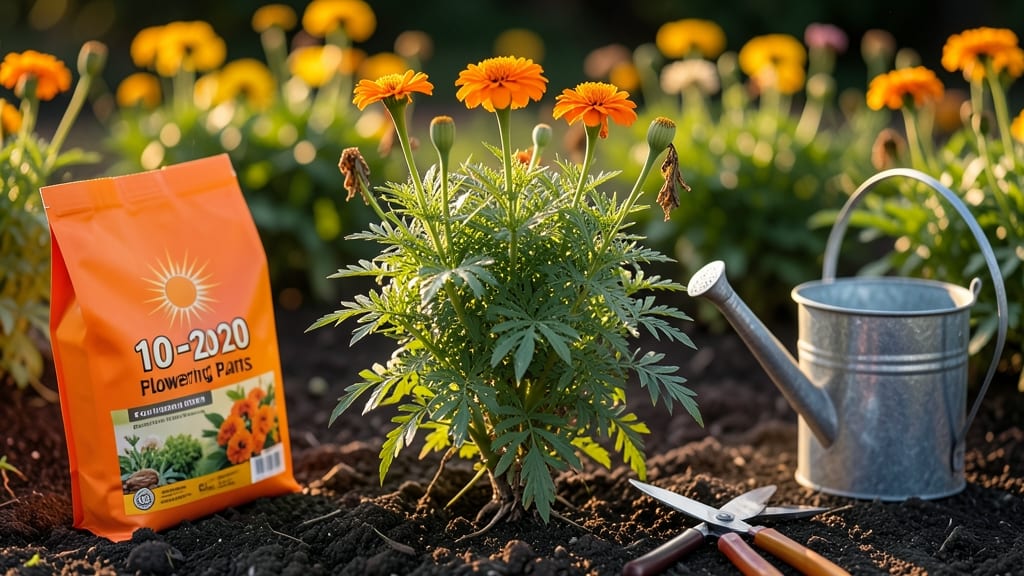
How to get marigolds to bloom—your secret starts with a simple tweak. Those once-tall, skinny stalks reaching for the sky can transform into bushy, flower-packed powerhouses with just a few easy steps. 🌼 The key? Pruning at the right time and giving them what they truly crave: sunlight, nutrients, and a little TLC. Most gardeners skip this step, but it’s what turns leggy stems into a nonstop bloom machine.
Start by pinching off the top set of leaves when plants are about 6 inches tall. This forces energy into side branches instead of just one long stem.
Pair that with 6-8 hours of full sun daily and a balanced fertilizer every 4-6 weeks, and you’ll see the difference in weeks—not months. The blooms come faster when plants aren’t struggling to stand upright.
Once flowers fade, deadhead them immediately to prevent seed formation. This trick tells the plant, “Keep blooming!” instead of, “It’s time to reproduce.” Within 2-3 weeks, you’ll have a bushy marigold that looks like it belongs in a floral display, not the back of the garden bed.
The best part? Your neighbors will ask how you do it.
Works for French, African, and even those tiny signet marigolds—just adjust pruning frequency based on growth speed. No fancy tools needed; just sharp scissors and a little patience. Let’s fix those stretchy stems once and for all.
📚 In This Guide
- What you need
- Instructions
- Tips and common mistakes
- Wrapping up and next steps
What you need
- ● Marigold plants: Healthy, mature plants (French, African, or Signet varieties work best). Aim for at least 6-12 inches tall with visible stems.
- ● Pruning shears or sharp scissors: Clean, sterilized tools (rubbing alcohol works) to avoid disease. Bypass pruners are ideal for clean cuts.
- ○ Gloves: Optional but recommended to protect hands from sap (nitrile or leather gloves work well).
- ● Balanced fertilizer: A 10-10-10 or 20-20-20 NPK ratio (e.g., Miracle-Gro All Purpose). Use per package instructions for dosage.
- ● Watering can or hose with a gentle spray nozzle: For post-pruning hydration. Avoid overhead watering if humidity is high.
- ○ Mulch (optional but helpful): Organic mulch like shredded bark or straw to retain moisture and regulate soil temp. 2-3 inches thick is ideal.
- ● Sunlight: Full sun (6+ hours/day). Marigolds need bright light to bloom—move plants if they’re in shade.
- ● Well-draining soil: Amend heavy soil with compost or perlite. pH 6.0–7.5 is perfect.
- ● Patience: Pruning triggers new growth, but blooms may take 4–6 weeks to appear.
- ● Consistency: Regular pruning (every 2–4 weeks) keeps plants bushy and blooming.
Tips & tricks for encouraging marigold blooms
Your marigolds have the potential to be flowering powerhouses—here’s how to unlock their full potential without the guesswork.
The Pinch Timing Secret: The 6-inch height and 5-6 true leaves markers in Step 1 are non-negotiable for best results. I learned this the hard way after pinching too early and getting sparse growth. Wait until you see those lower leaves fully unfurled—they’re your cue that the plant’s ready to branch out. Once you pinch, new shoots will appear in 1-2 weeks, but be patient if your climate is cooler; they may take up to 3 weeks in chilly spring conditions.
Deadheading Discipline: That 2-3 day pruning schedule in Step 2 is your secret weapon for nonstop blooms. I set a reminder on my phone for "Deadhead Day" to stay consistent. The 5-7 day window for new buds to form is your reward for staying on top of it—don’t skip even a single spent bloom, or you’ll lose that momentum. Pro tip: Use clean pruners and wipe them with rubbing alcohol between cuts to prevent spreading disease.
Light and Water Balance: The 6-8 hours of full sun requirement isn’t just about sunlight—it’s about heat too. If your marigolds are stretching tall with few blooms, they’re begging for more light. Move them to the sunniest spot you have, even if it means relocating them from a shaded patio to a south-facing window. For watering, stick to the 1-2 inches dry rule—stick your finger in the soil; if it’s damp below that depth, wait another day. Overwatered marigolds flop like overcooked noodles.
Fertilizer Strategy: The switch to low-nitrogen, high-phosphorus fertilizer when buds form is crucial. Phosphorus is what tells marigolds, "Hey, it’s time to make flowers!" I use a 5-10-5 blend and apply it lightly—think of it as a whisper, not a shout. Too much nitrogen at this stage will give you lush leaves but zero blooms. And remember: stop fertilizing in late summer to let those plants harden off for winter if you’re in a cold zone.
Pro Tips for Get Marigolds To Bloom
- Your marigolds have the potential to be flowering powerhouses—here’s how to unlock their full potential without the guesswork.
- The Pinch Timing Secret: The 6-inch height and 5-6 true leaves markers in Step 1 are non-negotiable for best results.
- Deadheading Discipline: That 2-3 day pruning schedule in Step 2 is your secret weapon for nonstop blooms.
Frequently asked questions
Got questions about coaxing those vibrant marigold blooms? You’re not alone! Here are some of the most common concerns—and quick fixes—to keep your marigolds thriving and flowering like crazy.
Why are my marigolds growing tall but not blooming?
Marigolds stretch tall when they’re not getting enough light or nutrients. Solution: Move them to a sunnier spot (at least 6–8 hours of sunlight daily) and fertilize lightly with a balanced, low-nitrogen formula (like 5-10-5) every 4–6 weeks. Overcrowding can also stunt blooms—thin plants to 12–18 inches apart for better airflow and growth.
How long does it take for marigolds to bloom after planting?
Most marigolds bloom 6–8 weeks after planting, but timing depends on variety and conditions. Pro tip: Start seeds indoors 4–6 weeks before your last frost, or plant directly after soil warms (around 60°F/15°C). Deadhead spent blooms immediately to encourage nonstop flowering all season!
Can I force marigolds to bloom in fall or winter?
Marigolds are annuals and need warm weather to thrive. In cooler climates, they’ll stop blooming when temps drop below 50°F (10°C). Workaround: Grow them in containers and move indoors near a sunny window or under grow lights during mild winters. For outdoor plants, harvest seeds from late blooms to replant next spring!
What should I do if my marigolds only have leaves and no flowers?
Leafy marigolds usually need a pruning boost or better care. Pinch back leggy stems to encourage bushier growth, and trim any yellow or diseased leaves. Bonus: A light pinch of Epsom salt (1 tbsp/gallon of water) can give magnesium-deficient plants a quick pick-me-up for blooming.
Are there any easy alternatives to marigolds for quick blooms?
If marigolds are finicky in your climate, try these low-maintenance bloomers:
- Zinnias: Fast-growing, drought-tolerant, and bloom in 6–8 weeks.
- Cosmos: Self-seeding and thrive in poor soil—great for beginners!
- Sunflowers: Need more space but reward with bold, cheerful blooms.
- Calendula: Edible, pest-repelling, and blooms reliably in cool weather.
Wrapping up and next steps
Getting your marigolds to bloom is all about patience, proper care, and a little strategic pruning! 🌼 With the right balance of sunlight, water, and maintenance, you’ll soon be rewarded with vibrant, cheerful flowers that brighten up your garden.
Start small—pick one or two techniques from this guide and observe how your plants respond before expanding.
Ready to see those blooms? Grab your pruners and give it a try! 🌿 Next, experiment with different marigold varieties or try companion planting to maximize your garden’s beauty and productivity. Happy gardening!