
Blooming
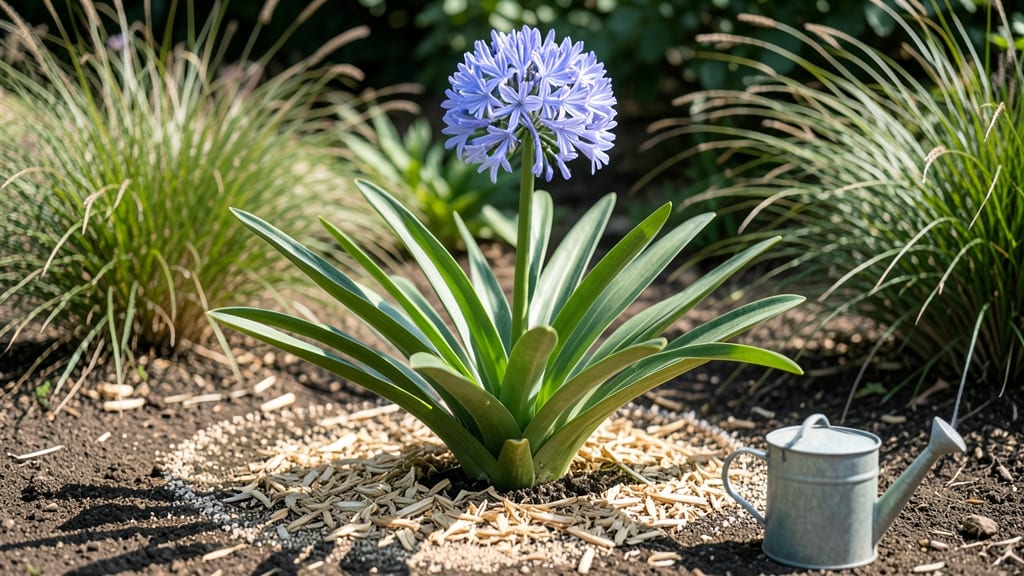
How to get your agapanthus to bloom—your plant may have stunning foliage but stubbornly refuses to flower? 🌱 The secret lies in sunlight, soil, and patience—three things most gardeners overlook. I’ve wrestled with this myself, watching my plants grow lush but stubbornly flowerless for years. Turns out, it’s not about luck—it’s about tweaking care in ways that mimic their natural habitat.
Start with full sun exposure—at least 6-8 hours daily—and well-draining soil rich in organic matter. Agapanthus hates soggy roots, so amend heavy soil with sand or perlite.
If your plant is young (3-5 years), it may not bloom yet—these beauties need time to establish strong roots before flowering. Over-fertilizing with high nitrogen also delays blooms, so switch to a balanced bloom booster in early spring.
Pruning plays a crucial role too. After flowering, cut back dead stems to 2-3 inches above the ground, but leave the lower leaves intact—they protect the crown and store energy for next season.
Divide mature clumps every 3-4 years to rejuvenate growth. With these adjustments, you’ll see those iconic umbrella-shaped blooms by mid-to-late summer, transforming your garden into a showstopper.
Seasonal timing matters—plant in spring or early fall for best results, and avoid transplanting during dormancy. If your climate has harsh winters, mulch heavily to protect roots. The payoff? A foolproof way to coax blooms from even the most stubborn agapanthus, guaranteed to make neighbors ask, "How’d you do that?"
📚 In This Guide
- What you need
- Instructions
- Tips and common mistakes
- Wrapping up and next steps
What you need
- ● Agapanthus plants: Mature, healthy plants (age 2–3+ years for best blooming potential).
- ● Well-draining potting mix or garden soil: For pots: 50% potting soil + 50% perlite/sand (to prevent root rot).
- ● For garden beds: Amend clay soil with 2–3 inches of compost or organic matter.
- ● Balanced fertilizer: 10-10-10 or 20-20-20 (granular or liquid), low in nitrogen (avoid "green-thumb" overgrowth!).
- ○ Slow-release fertilizer (optional but helpful): 3–4 lbs per 100 sq ft (e.g., Osmocote).
- ● Watering can or hose with adjustable nozzle: For deep, consistent hydration.
- ● Pruners or sharp shears: Sterilized (rubbing alcohol wipe) to avoid disease.
- ○ Mulch (optional but recommended): 2–3 inches of pine bark or straw to retain moisture.
- ○ Sunlight meter or app (optional): To track 6+ hours of full sun daily.
- ● Patience: Agapanthus often take 1–2 years to bloom after planting (especially in cooler climates).
- ● Climate check: USDA Zones 7–11 (hardy to 0°F with protection).
- ● If in Zone 6 or colder, grow in containers for winter relocation.
- ● Space: 12–18 inches apart in beds; larger pots (12"+ diameter) for container gardening.
Tips & tricks for encouraging agapanthus blooms
These proven techniques will help you transform your agapanthus from leafy clumps to stunning flowering displays.
Sunlight Strategy: If your agapanthus isn't getting the full 6-8 hours of direct sunlight daily, consider supplementing with a grow light for 4-6 hours in the evening. I've seen dramatic improvements in bloom production by adding LED grow lights near south-facing windows. The key is maintaining consistent light exposure—agapanthus won't bloom if it's constantly in shade, even if other plants tolerate it.
Fertilizer Timing: The early spring feeding in Step 2 is critical because agapanthus blooms on old wood—meaning this year's flowers formed last year. I recommend using a 10-10-10 fertilizer at half-strength specifically when you see those first green shoots emerge. This precise timing ensures nutrients go directly to flower bud formation rather than just leaf growth. The late summer low-nitrogen feed supports root development for next season's blooms.
Watering Wisdom: During dormancy, the goal is to keep soil slightly moist 2 inches deep—not soggy, not dry. I use a moisture meter to check because visual cues can be misleading. Overwatering now stresses the plant, while underwatering prevents bud formation. Think of it as a delicate balance: enough moisture to keep roots active but not enough to trigger full dormancy before buds set.
Division Technique: When dividing every 3-4 years, focus on separating healthy rhizomes with at least 2-3 inches of growth attached. The larger the rhizome, the more robust next year's blooms will be. I always replant the healthiest sections immediately and water thoroughly to reduce transplant shock. This is when you'll see the biggest bloom boost—well-divided plants can produce 30% more flowers the following season.
Pro Tips for Get Agapanthus To Bloom
- These proven techniques will help you transform your agapanthus from leafy clumps to stunning flowering displays.
- Sunlight Strategy: If your agapanthus isn't getting the full 6-8 hours of direct sunlight daily, consider supplementi...
- Fertilizer Timing: The early spring feeding in Step 2 is critical because agapanthus blooms on old wood—meaning this ...
Frequently asked questions
Got questions about coaxing those stunning agapanthus blooms? You’re not alone! Here are answers to the most common queries—from patience tips to troubleshooting tricks.
Q: Why isn’t my agapanthus blooming, even though it looks healthy?
Agapanthus often takes 2–3 years to mature and bloom. If it’s older but still not flowering, check for overcrowding (divide clumps every 3–4 years) or low light. A hungry plant may also need a balanced fertilizer (like 10-10-10) in early spring.
Q: How do I speed up blooming in agapanthus?
Blooming speed depends on light, soil, and age. Move potted plants to full sun (6+ hours/day) and ensure well-draining soil. For established plants, prune spent blooms and feed with low-nitrogen fertilizer (like 5-10-10) in late winter. Patience is key—some varieties bloom earlier than others!
Q: Does agapanthus need winter care to bloom better?
In cold climates (USDA Zones 7 and below), mulch the base with 3–4 inches of straw or leaves to protect roots. In mild winters, no special care is needed. Dormant pruning (cutting back dead foliage in late winter) helps redirect energy to next year’s blooms.
Q: Can I force agapanthus to bloom indoors?
Agapanthus is not a houseplant—it thrives outdoors in bright, indirect light but rarely blooms indoors. If you must grow it inside, place it near a south-facing window, use a grow light, and keep humidity high. Expect foliage-only growth unless you’re in a greenhouse with winter dormancy.
Q: What should I do if my agapanthus blooms but then dies back?
Don’t panic! Agapanthus is perennial—it naturally goes dormant after blooming. If the entire plant dies, check for root rot (from soggy soil) or pests (like slugs). After blooming, reduce watering and let foliage yellow naturally. New shoots will emerge in spring!
Pro Tip:
For biggest blooms, divide clumps every 3–4 years in early spring. Overcrowded roots = fewer flowers!
Wrapping up and next steps
Getting your agapanthus to bloom is all about patience, the right conditions, and a little extra care! By ensuring they get plenty of sunlight, well-draining soil, and the occasional fertilizer boost, you’ll be rewarded with those stunning blue and purple blooms.
Remember, some varieties take a few years to mature—so don’t rush the process! 🌸
Now that you’re armed with these tips, take action: assess your agapanthus’s current environment, make adjustments, and watch them thrive. Happy gardening—your blooming masterpiece is just around the corner! 🌱✨