
Propagation
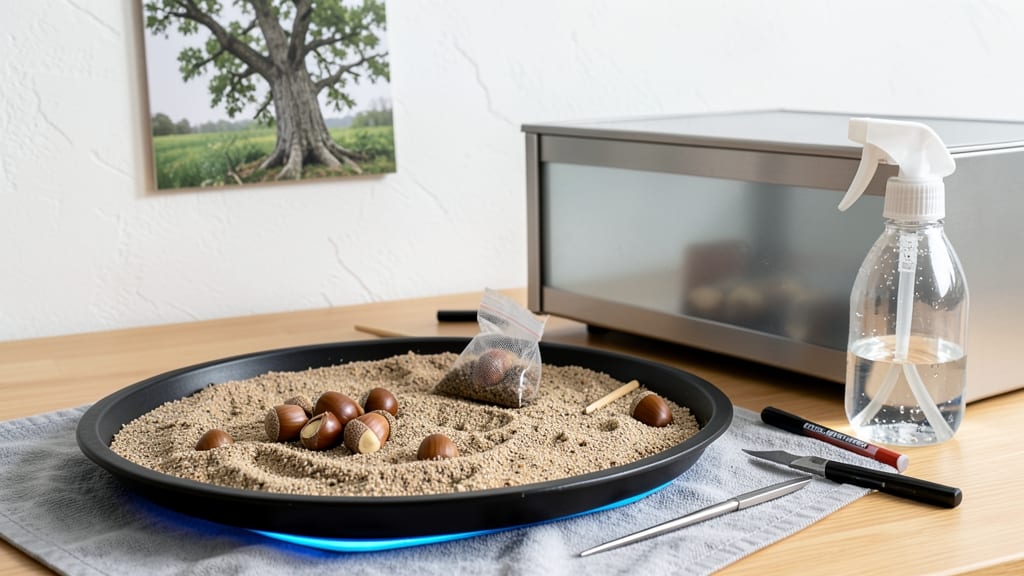
Germinating oak tree seeds feels like waiting for a slow-motion miracle. 🌱 I’ve spent years perfecting this process, and the key to faster sprouts isn’t just patience—it’s cold stratification, a trick that mimics nature’s timing. Without it, you might wait years for those stubborn acorns to crack open.
The secret starts with scarification—breaking the hard shell to let water in. Then comes the cold treatment: storing seeds in damp sand or peat moss at 35-40°F for 90-120 days.
This tricks the seed into thinking winter has passed, and suddenly, those tiny roots wake up ready to grow. Most gardeners skip this step and wonder why their acorns never sprout.
Once stratified, plant the seeds shallowly in well-draining soil and keep them consistently moist. Germination can still take 3-6 months, but with the right prep, you’ll see those first green shoots pushing through—proof that persistence pays off. The payoff? A future oak that’ll outlive you.
This method works for white, red, and pin oaks, though timing varies by species. If you’ve tried and failed before, you were probably missing one of these critical steps. Let’s fix that.
📚 In This Guide
- What you need
- Instructions
- Tips and common mistakes
- Wrapping up and next steps
What you need
- ● Fresh oak acorns: Collect 10–20 mature, plump acorns (avoid shriveled or insect-damaged ones). Harvest them in fall when they’ve fallen naturally.
- ● Cold stratification medium: Option 1: 1–2 cups of damp peat moss or coco coir (moisture-retentive, sterile).
- ● Option 2: 1–2 cups of sand (coarse, like horticultural sand) mixed with equal parts water.
- ● Containers: A sealed plastic bag (ziplock, gallon-sized) or
- ● A small pot with drainage holes (4–6 inches deep) filled with stratification medium.
- ● Spray bottle: For light misting (keep medium damp, not soggy).
- ● Label & marker: To track seed varieties and stratification dates.
- ● Refrigerator or cold frame: A space to maintain 33–41°F (1–5°C) for 60–90 days.
- ● Hydrogen peroxide (3%): 1 tsp per cup of water for a 5-minute soak to disinfect seeds and speed up germination.
- ● Growth hormone gel: (e.g., Rootone) to boost root development after stratification.
- ● Heat mat: For warmth post-stratification (70–75°F or 21–24°C) to encourage sprouting.
- ● Grow lights: If germinating indoors without natural sunlight.
- ● Journal/notebook: To log moisture levels, temperature, and sprouting progress.
Step-by-step instructions for germinating oak tree seeds
Cold stratification isn't just a fancy term—it's the secret to breaking oak seeds' stubborn dormancy.
🌱 Step 1: Harvest and Prepare the Acorns
Collect mature acorns in fall after they've fallen naturally—they'll have thicker shells and better germination rates. Remove any acorns with holes or cracks, as these won't sprout. I like to soak them in lukewarm water for 24 hours first to soften the outer shell slightly and encourage moisture uptake.
After soaking, pat them dry with a paper towel. The key here is to handle them gently—they're delicate despite their tough appearance. Store them in a breathable container like a paper bag or mesh sack until stratification. Never use plastic bags, or they'll suffocate and rot.
❄️ Step 2: Cold Stratify for 60-90 Days
Place the prepared acorns in a sealed container with a moistened peat moss or sand mix (about 1 inch of material covering them). I use a plastic tub with drainage holes and keep it in my refrigerator's crisper drawer, where temperatures stay 35-45°F. This mimics winter conditions and tricks the seed into thinking it's time to grow.
Check the mix every 2-3 weeks—it should feel like a damp sponge, not dripping wet. If mold appears, toss the batch and start fresh. You'll know stratification is working when tiny roots (called radicles) emerge from the bottom of the acorns after about 60-90 days.
☀️ Step 3: Plant Stratified Seeds in Pots
Fill 4-inch deep pots with a mix of 50% potting soil and 50% perlite for drainage. Plant each acorn 1 inch deep, with the pointed end facing down. I use biodegradable pots so I can transplant without disturbing roots later. Water gently until the soil is moist but not soggy.
Place the pots in a warm, bright spot (around 70°F) with indirect light. A sunny windowsill works, but avoid direct midday sun, which can overheat the soil. You'll see the first true leaves (cotyledons) emerge in 4-8 weeks—this is your signal that germination is successful.
🌿 Step 4: Transplant Seedlings Outdoors
Once seedlings reach 6-8 inches tall and have 4-5 leaves, they're ready for their permanent home. Harden them off by placing them outside in a shaded spot for 1-2 hours daily over 10-14 days. This gradual adjustment prevents shock.
Plant in a location with full sun and well-draining soil. Dig a hole twice as wide as the root ball but no deeper. Water deeply after planting to settle the soil. Oak seedlings grow slowly—don't expect rapid results, but with patience, you'll have a sturdy tree in years to come.
⏰ Step 5: Maintain Moisture and Patience
Keep the soil consistently moist (not waterlogged) for the first 2 years, as young oaks are sensitive to drought. Mulch around the base with 2 inches of wood chips to retain moisture and suppress weeds. Avoid fertilizing—oaks grow best in poor soil and don't need extra nutrients.
Real talk: Oak trees take time. You won't see significant height growth for years, but the roots will establish deeply. The first few years are about survival, not speed. That's why cold stratification matters—it gives your seedlings the best possible start.
Tips & tricks for germinating oak tree seeds
Don't let that 60-90 day wait scare you—these tricks will help you maximize your oak seedling success without the guesswork.
Acorn Selection: Look for acorns with a nice, plump shape and minimal cracks—they're the ones with the highest germination potential. I've found that acorns from mature trees (at least 20 years old) tend to sprout more reliably. If you're unsure about their freshness, do a float test: drop them in water. Sinkers are good, floaters are past their prime.
Stratification Setup: The 35-45°F temperature range in your fridge is perfect, but don't just toss them in any container. Use a breathable plastic tub with drainage holes to prevent waterlogging, which can cause mold. I like to layer the moistened peat moss or sand mix in 1-inch increments between acorn layers—this ensures even moisture distribution without compacting the seeds.
Germination Timing: Those 60-90 days might seem long, but you can actually speed things up slightly by monitoring for radicle emergence. Once you see tiny roots (about 1/4 inch long) after 45-60 days, you can safely plant them—don't wait for the full 90 days. The key is catching them right when roots appear but before they get tangled in the mix.
Post-Stratification Care: When you're ready to plant in Step 3, don't rush the 4-8 week germination window. The first true leaves (cotyledons) will emerge gradually—sometimes they'll peek out for a day or two before settling in. Keep the soil consistently moist (like a wrung-out sponge) during this time, as oak seedlings are particularly sensitive to drying out in their early stages.
Pro Tips for Germinate Oak Tree Seeds
- Don't let that 60-90 day wait scare you—these tricks will help you maximize your oak seedling success without the gue...
- Acorn Selection: Look for acorns with a nice, plump shape and minimal cracks—they're the ones with the highest germin...
- Stratification Setup: The 35-45°F temperature range in your fridge is perfect, but don't just toss them in any contai...
Frequently asked questions
How long does oak seed germination take?
Oak seeds are notoriously slow! With cold stratification (the key step), germination can take anywhere from 3 to 6 months—sometimes even longer. Patience is key. Once stratified, keep them in a warm, moist environment (around 70°F) and check monthly for sprouts.
Can I skip cold stratification?
Not recommended! Oak seeds have a hard seed coat that requires cold, moist conditions to break dormancy. Skipping stratification may result in little to no germination. If you’re in a hurry, try scarification (lightly sanding the seed coat) after stratification for a slight boost—but cold treatment is still critical.
What if my oak seeds rot instead of sprouting?
Over-moisture is the usual culprit. Oak seeds need consistent moisture but good drainage. If your seeds feel mushy or smell foul, they’re rotting. Fix it: Use a well-draining mix (like perlite + peat), avoid overwatering, and ensure pots have drainage holes.
How do I know if my oak seed is viable?
Viability drops after 1–2 years for most oak seeds. Test yours by floating them: Place seeds in water—viable seeds sink (they’re dense), while hollow or dead ones float. For extra assurance, cut open a few (safely!) to check for a firm, white embryo.
When’s the best time to start germinating oak seeds?
Start 6–8 months before your last frost date (e.g., late summer for spring planting). This gives seeds enough time for stratification and early sprouts. If you’re in a warm climate, begin in early fall—oaks thrive when mimicking their natural winter-spring cycle.
What’s the difference between white oak and red oak seeds?
Both need stratification, but white oak seeds (e.g., bur oak) often germinate faster (3–4 months) than red oak seeds (e.g., pin oak), which can take 6+ months. Red oaks also tend to be smaller and harder to handle, so extra care with stratification is key.
Wrapping up and next steps
Germinating oak tree seeds may take patience, but with cold stratification and the right techniques, you’ll soon see those first tiny green sprouts breaking through! 🌱 Remember, consistency is key—whether you’re layering seeds in moist sand, using a refrigerator, or planting outdoors in fall.
Once your seedlings emerge, they’ll reward you with years of shade, beauty, and even wildlife support.
Now that you’re armed with the know-how, why not start your oak tree journey today? Grab those acorns, follow the steps, and watch nature’s magic unfold. Happy growing! 🌳