
Tools
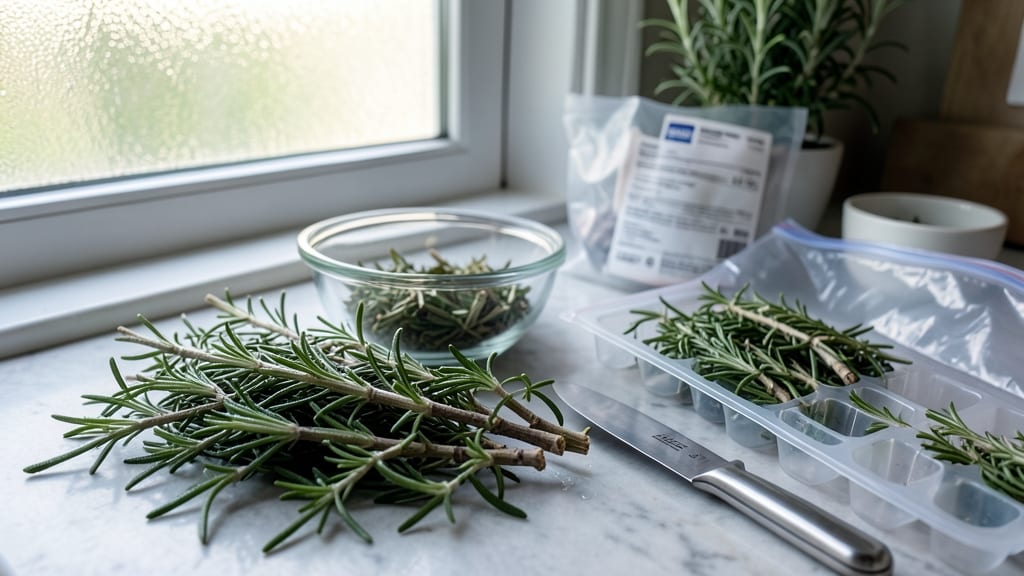
Freezing rosemary from your garden saves you from buying it later. ✨ The key is harvesting at peak flavor—right before the first frost when the oils are strongest—and processing it quickly to lock in that fresh, piney aroma.
Start by trimming the sprigs into 3-4 inch lengths, leaving the stems intact for easier handling. Spread them on a baking sheet in a single layer and freeze for 1-2 hours until solid.
This prevents clumping when you pack them into freezer bags or airtight containers. Label everything with the date—rosemary stays usable for 6-12 months this way.
When you're ready to use it, just grab a handful straight from the freezer. Toss it into stews, roasts, or marinades while it's still icy—no thawing needed. The flavor might mellow slightly, but it retains that bright, herby punch that store-bought can't match.
Pro tip: If you prefer dried rosemary, hang bundles upside down in a dark, dry place for 1-2 weeks—but freezing keeps the color and potency far better. Either way, you'll never reach for the grocery store again.
📚 In This Guide
- What you need
- Instructions
- Tips and common mistakes
- Wrapping up and next steps
What you need
- ● Fresh rosemary sprigs – Harvest organic, pesticide-free rosemary (about 1–2 cups of tightly packed sprigs). Choose healthy, vibrant stems with no yellowing or wilting.
- ● Paper towels or clean kitchen towel – For drying the rosemary thoroughly (about 2–3 sheets).
- ● Sharp kitchen shears or scissors – To trim stems evenly (preferably 3–4 inches long).
- ● Freezer-safe bags or containers – Opt for: Quart-sized freezer bags (with ziplock or sealable closure) – 2–4 bags, depending on quantity.
- ● OR Small airtight containers (like 4 oz silicone molds or glass jars with tight lids).
- ○ Optional: Vacuum sealer – Extends shelf life by removing air (not required but highly recommended for long-term storage).
- ● Permanent marker or masking tape – To label bags/containers with the date and contents.
- ● Ice cube tray – For freezing rosemary-infused oil or chopped rosemary cubes (great for cooking!).
- ● Food processor or mortar & pestle – If you prefer finely chopped rosemary (for easier blending into dishes).
- ● Oil (olive or vegetable) – A 1 tbsp per bag can preserve flavor and moisture if freezing whole sprigs.
- ● Parchment paper – For laying out sprigs to dry before freezing (prevents sticking).
Step-by-Step instructions for freezing rosemary from the garden
Preserving rosemary this way locks in its piney aroma and fresh flavor for months—here's how I do it every harvest season.
🌿 Step 1: Harvest and Prepare the Rosemary
Pick healthy stems with 3-4 inches of growth from the current season's new growth. Avoid woody, brown stems—they won't store well. I harvest on a dry morning after the dew has evaporated to ensure stems are crisp and free of moisture.
Trim off any yellowed or damaged leaves with clean scissors. Bundle the stems into small bunches of 3-4 stems each, tying them loosely with kitchen twine at the bottom. This keeps the leaves upright and prevents crushing during freezing.
⏰ Step 2: Wash and Dry Thoroughly
Give the stems a quick rinse under cool water to remove dirt or pesticide residue, then pat them dry with paper towels. I place them on a clean kitchen towel, spreading them out so air circulates. Let them dry completely—this step is critical to prevent ice crystals from forming on the leaves during freezing.
You'll know they're dry enough when the stems feel cool to the touch and no moisture remains on the leaves. This usually takes 1-2 hours, depending on humidity levels. If you rush this, your rosemary will turn mushy when thawed.
❄️ Step 3: Choose Your Freezing Method
For whole stems, wrap each bundle tightly in plastic wrap, then place them in a freezer bag. Squeeze out excess air before sealing to prevent freezer burn. Label the bag with the date—rosemary stays best for 6-12 months this way.
For chopped rosemary, strip the leaves from the stems and chop them finely. Spread the leaves on a baking sheet lined with parchment paper and freeze for 1 hour until solid. Then transfer to an airtight container. This method preserves flavor better for cooking but takes up less space.
📦 Step 4: Store Properly for Maximum Freshness
Place your prepared rosemary in the coldest part of your freezer, ideally at 0°F or below. I use a vacuum-sealer for whole stems to extend shelf life even further. If you don't have one, double-bagging in freezer-safe bags works almost as well.
When ready to use, thaw whole stems in the fridge overnight or use them directly in cooked dishes. Chopped rosemary can be added straight from frozen to soups, stews, or marinades—no thawing needed. The flavor remains vibrant for up to 6 months when stored properly.
🌱 Step 5: Test and Use Your Frozen Rosemary
After 1-2 months of storage, test a small batch by thawing and using it in a recipe. You'll notice the aroma is slightly muted but still rich. For best results, use frozen rosemary in dishes that simmer for 30+ minutes, like braises or sauces, where the heat helps release its oils.
Never refreeze thawed rosemary—this degrades texture and flavor. If you have leftover fresh rosemary, freeze it in ice cube trays with water or oil for easy portioning later. Each cube makes one perfect addition to a dish!
Tips & tricks for perfectly preserved rosemary
Preserving rosemary properly means the difference between vibrant flavor and a sad, mushy disappointment. Here's what I've learned after years of experimenting with garden herbs.
Harvesting Smart: In Step 1, focus on the 3-4 inch new growth stems—they're the most tender and flavorful. I've ruined batches by including woody stems that turn to mush after freezing. Also, harvest in the morning after dew has dried to prevent moisture buildup that can cause ice crystals during freezing. The crispness of the stems right after dew evaporation is what keeps them perfect for months.
Drying is Non-Negotiable: That 1-2 hour drying time in Step 2 isn't just a suggestion—it's the secret to preventing freezer burn. I learned this the hard way when my rosemary turned to mush after freezing. Test for dryness by feeling the stems: they should feel cool to the touch with no moisture. If you're in a humid climate, extend this to 3 hours—better safe than sorry with herbs.
Bundling Technique: When creating those 3-4 stem bundles in Step 1, tie them loosely at the bottom only. Tight bundles can crush the leaves, while loose ties let air circulate. I use kitchen twine because it's food-safe and strong enough to hold without cutting into the stems. This simple step keeps your rosemary looking fresh even after freezing.
Freezing Method Matters: For chopped rosemary in Step 3, that 1 hour on the baking sheet is crucial—it prevents clumping. Spread the leaves in a single layer so they freeze individually. Then, when you transfer to containers, you'll have perfectly portioned herbs ready to use. I've found that using parchment paper lined baking sheets makes cleanup effortless and prevents sticking.
Pro Tips for Freeze Rosemary From The Garden
- Preserving rosemary properly means the difference between vibrant flavor and a sad, mushy disappointment. Here's what...
- Harvesting Smart: In Step 1, focus on the 3-4 inch new growth stems—they're the most tender and flavorful. I've ruine...
- Drying is Non-Negotiable: That 1-2 hour drying time in Step 2 isn't just a suggestion—it's the secret to preventing f...
Frequently asked questions
Got questions about freezing rosemary? You’re not alone—here are the most common ones, answered clearly so you can preserve your harvest with confidence!
How long does fresh rosemary last in the freezer?
Properly frozen rosemary stays fresh for 6–12 months while retaining its flavor and aroma. After that, it may lose potency but is still safe to use. For best results, label your freezer bags with the date and use within 6 months.
Can I freeze rosemary with or without stems?
Yes! Both work, but removing stems is easiest for cooking. If freezing whole sprigs, chop them before use. For convenience, freeze small sprigs tied with twine—they’ll thaw faster and stay intact when needed.
Does freezing rosemary change its flavor?
Freezing preserves most of rosemary’s flavor, but it may become slightly more pungent. To minimize texture changes, blanch it for 30 seconds before freezing. For cooking, use frozen rosemary in dishes like soups, stews, or marinades where texture isn’t critical.
What’s the best container for freezing rosemary?
Use airtight containers, freezer bags, or silicone molds to prevent freezer burn. For whole sprigs, lay them flat on a tray before bagging to avoid clumping. Vacuum-sealing extends freshness even longer!
How do I thaw frozen rosemary?
No need to thaw—just add frozen rosemary directly to hot dishes (like sauces or roasts). For cold recipes (e.g., salads), crush it lightly with your fingers or a mortar and pestle. Never microwave—it can turn mushy!
Can I freeze dried rosemary instead?
Dried rosemary freezes well too! Store it in an airtight container with a paper towel to absorb moisture. Freezing dried herbs locks in freshness for up to 2 years, but flavor may fade slightly over time.
Why did my frozen rosemary turn brown or mushy?
This usually means oxidation or ice crystals from improper storage. To fix it, pat sprigs dry before freezing and use containers that block air. If already frozen, chop and use it in cooked dishes—it’s still safe!
Wrapping up and next steps
Freezing rosemary from your garden is a simple yet rewarding way to enjoy its fresh, aromatic flavor all year long—no green thumb required!
With just a few basic tools and a little time, you’ve got a pantry staple that’ll elevate everything from roasted meats to homemade bread. Now that you’re armed with the know-how, why not try freezing a few sprigs today? Next, experiment with your preserved rosemary in recipes or share your harvest with friends who love cooking.
Happy preserving! 🌿✨