
How To
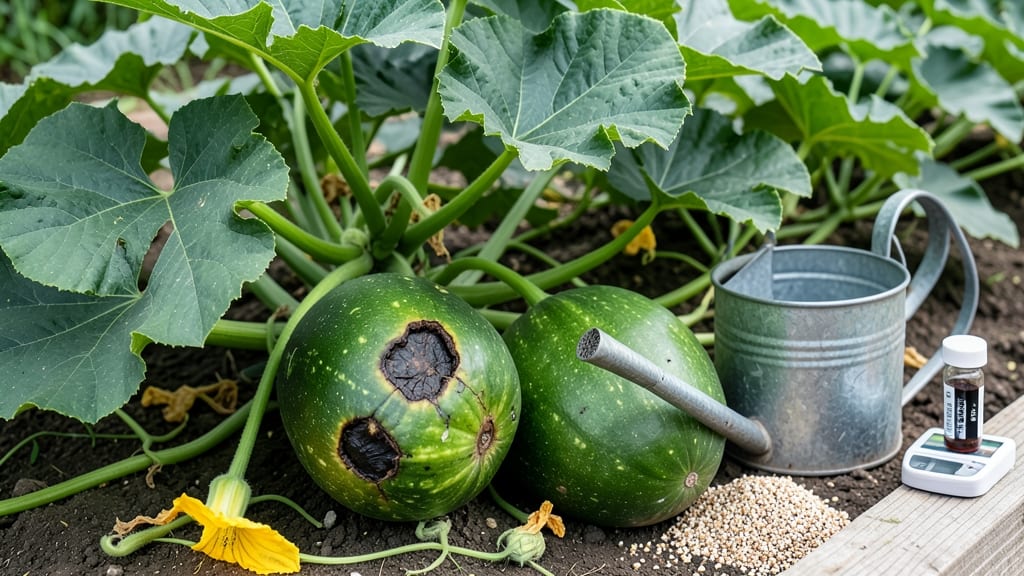
How to fix blossom end rot on squash: Those ugly black spots on your squash mean one thing—calcium crisis. 🌱 I’ve lost more harvests to blossom end rot than I’d like to admit, but this method saved my garden—and it can save yours too. The fix starts with understanding why your plants are screaming for calcium while looking perfectly fine above ground.
Most gardeners think this is a watering problem, but it’s actually three things: uneven moisture, calcium deficiency, and sometimes a soil pH that’s too high or low.
The good news? You can reverse it in 2-3 weeks with targeted fixes that won’t break the bank. No more tossing half-ripe squash—just crisp, blemish-free harvests.
Start by adjusting your watering to keep soil consistently moist (not soggy), then add a quick calcium boost using crushed eggshells or a balanced fertilizer with calcium. For stubborn cases, a simple pH test and lime adjustment can work wonders. The key is acting fast before the rot spreads.
This isn’t just damage control—it’s a chance to build a smarter garden. Healthy soil means fewer problems next season. Let’s get those squash back on track with a few simple, science-backed steps.
Root Causes of Squash Rot
Blossom end rot isn’t just a random blight—it’s a clear signal from your squash plants that something fundamental is off. Understanding the why behind this frustrating issue is the first step to preventing it.
Let’s break down the science behind the rot, so you can address the real culprits in your garden.
---
Blossom end rot is primarily caused by a calcium deficiency in the developing fruit. But here’s the catch: calcium isn’t just lacking—it’s unavailable to where it’s needed most.
Plants absorb calcium through their roots, but if the soil conditions aren’t right, the calcium can’t travel efficiently to the blossom end (the opposite end of the stem where the flower was).
- Why it happens: - Calcium is immobile in plants.
Once absorbed, it can’t be redistributed to areas of need—like a growing squash—unless it’s already present in the right place at the right time. - Rapid growth (common in squash during fruiting) outpaces calcium uptake, leaving the blossom end starved. - Soil pH matters: Calcium absorbs best in slightly acidic to neutral soil (pH 6.0–7.0).
If your soil is too alkaline (>7.5) or acidic (<5.5), calcium becomes locked away and unusable.
- Actionable insight: - Test your soil’s pH and amend it if needed (lime raises pH; sulfur lowers it). - Avoid over-fertilizing with nitrogen, which speeds up growth but doesn’t help calcium absorption.
---
Water is the delivery system for calcium in plants. But inconsistent watering creates a traffic jam, preventing calcium from reaching the blossom end.
- Why it happens: - Drought stress: When soil dries out, roots struggle to absorb water—and thus calcium—efficiently. Even if you later water heavily, the damage is done to the fruit already forming. - Fluctuating moisture: Alternating between too much and too little water disrupts calcium uptake.
For example, a heavy rain followed by a dry spell can starve the plant mid-growth. - Shallow root zones: Squash plants with shallow roots (often due to compacted or poor soil) can’t access deep calcium reserves.
- Actionable insight: - Mulch heavily (2–3 inches of straw or wood chips) to keep soil moisture consistent. - Water deeply and regularly—aim for 1–1.5 inches per week, adjusting for climate. Drip irrigation is ideal to avoid wetting the leaves (which can spread disease).
---
Heatwaves or sudden temperature swings throw a plant’s metabolism into chaos, including its ability to manage calcium.
- Why it happens: - High temperatures (>90°F/32°C): Accelerate plant growth but reduce calcium absorption through roots. The plant’s energy shifts to survival, not nutrient uptake. - Cold snaps: Slow root activity, halting calcium delivery to the fruit.
Even a few chilly nights can trigger rot in squash already forming. - Poor soil warmth: Cold, compacted soil (common in early spring or late fall) limits microbial activity, which helps break down calcium into a usable form.
- Actionable insight: - Shade cloth can protect squash from extreme heat (aim for 30–50% shade on scorching days). - Row covers or black plastic mulch can warm the soil in cool seasons, improving root function. - Plant squash in warmer microclimates (e.g., near south-facing fences) if your zone has erratic temps.
---
Not all soil is created equal—and some actively block calcium from reaching your squash.
- Why it happens: - Compacted soil: Roots can’t penetrate deeply, limiting access to calcium-rich subsoil.
Tight soil also reduces oxygen, which roots need to absorb nutrients. - High salt content: Fertilizer buildup or poor drainage can create a salty soil environment, making it harder for roots to absorb calcium. - Organic matter imbalance: Too little compost or aged manure means fewer calcium-rich organic sources (like crushed eggshells or bone meal) are available.
- Actionable insight: - Aerate the soil before planting by tilling in compost or using a broadfork to loosen compacted areas. - Flush the soil with water if you suspect salt buildup (let water run through for 15–20 minutes). - Amend with calcium sources: Mix in crushed eggshells, gypsum, or pelletized lime into the top 6 inches of soil before planting.
--- Fertilizers aren’t the enemy—but imbalanced ones can backfire by causing blossom end rot.
- Why it happens: - Too much nitrogen (N): Promotes leafy growth at the expense of fruit development. The plant diverts energy to foliage, leaving squash calcium-deprived. - Low phosphorus (P) or potassium (K): These nutrients work with calcium to strengthen cell walls.
A deficiency in either can make the plant more susceptible to rot. - Synthetic fertilizers: Often lack the micronutrients (like boron or magnesium) that help calcium function properly.
- Actionable insight: - Use a balanced fertilizer (e.g., 5-5-5 or 10-10-10) and reduce nitrogen once squash start forming. - Side-dress with compost tea or a calcium-rich fertilizer (like kelp meal) to boost micronutrients. - Avoid high-salt fertilizers (like blood meal), which can worsen calcium uptake issues.
Fix Blossom End Rot Step-by-Step
Blossom end rot on squash doesn’t have to mean the end of your harvest—it’s a fixable issue! The key is acting fast and addressing the root cause (pun intended).
Below, we’ll map the most common triggers to practical, garden-tested solutions, plus tips to keep your squash thriving for future seasons.
---
If your squash is showing dark, sunken spots at the blossom end, calcium is the star player here. Plants need calcium to build strong cell walls, and squash are particularly sensitive to shortages.
How to fix it: - 🍳 Apply Calcium-Rich Fertilizer Use a calcium nitrate or gypsum (calcium sulfate) fertilizer. Mix 1 tablespoon per gallon of water and apply directly to the soil around the base of the plant. Repeat every 7–10 days until new growth appears. Pro tip: 💡 Epsom salt (magnesium sulfate) can help too—sprinkle 1 tablespoon per plant and water thoroughly.
- 👨🍳 Boost Soil Calcium Naturally Amend your soil with crushed eggshells, bone meal, or oyster shell grit. Crush eggshells finely and work them into the top 2–3 inches of soil near the plant roots. This releases calcium slowly over time.
- 🥘 Water Wisely Blossom end rot thrives on inconsistent moisture. Water deeply 1–2 times per week (depending on climate) and avoid wetting the leaves—this prevents fungal issues and helps roots absorb calcium efficiently.
---
Squash roots are shallow, and drought followed by sudden watering stresses plants, leading to calcium uptake failures.
How to fix it: - 💧 Mulch Like a Pro Spread 2–3 inches of organic mulch (straw, wood chips, or grass clippings) around the base of your squash plants. This keeps soil moisture even and reduces temperature swings.
- ⏰ Water at the Right Time Water early in the morning (before 10 AM) to give roots time to absorb moisture. Avoid overhead sprinklers—they can wash away calcium and encourage rot.
- 🎯 Drip Irrigation Wins If possible, switch to a drip irrigation system or soaker hoses. These deliver water slowly and directly to the roots, cutting down on waste and stress.
---
Squash prefer slightly acidic to neutral soil (pH 6.0–7.0). If your soil is too alkaline or acidic, calcium becomes unavailable to the plant.
How to fix it: - 📊 Test Your Soil Grab a DIY soil test kit (or send a sample to your local extension office) to check pH. If it’s below 6.0, add lime (calcium carbonate). If it’s above 7.0, mix in sulfur or peat moss.
- 🍎 Balance with Organic Matter Work in compost or well-rotted manure to improve soil structure and nutrient availability. Aim for 2–3 inches mixed into the topsoil before planting.
---
Once you’ve rescued your squash, lock in success with these long-term strategies:
- 🌱 Start with Calcium-Rich Soil Before planting, amend your garden bed with crushed limestone or gypsum (follow package instructions). This ensures a steady calcium supply from the get-go.
- 🥗 Choose Rot-Resistant Varieties Some squash types (like butternut or acorn) are less prone to blossom end rot. If you’re prone to this issue, try a more tolerant variety next season.
- 🔄 Rotate Crops Avoid planting squash in the same spot year after year. Rotate with beans, peas, or tomatoes to prevent soil depletion.
- 🌿 Monitor Weather Patterns Keep an eye on heatwaves or droughts—these are red flags for blossom end rot. If forecasts predict dry spells, water deeply a few days in advance to prep the soil.
--- Remember: Blossom end rot is manageable, not a death sentence. With these fixes, your squash will bounce back—and you’ll be harvesting crisp, rot-free produce in no time! 🎉
Frequently asked questions
Can I still eat squash with blossom end rot?
Yes, you can! The affected area is usually small and the rest of the squash is perfectly safe to eat. Simply cut off the rotten end before cooking or storing. The rot doesn't spread to other parts of the squash or make it unsafe for consumption.
How quickly will my squash recover after fixing the issue?
With proper calcium treatment and consistent watering, you should see new growth without rot within 2-3 weeks. Existing squash may still develop rot if they're already affected, but new fruit should come through healthy if you address the root causes.
Will crushed eggshells really help my squash? Crushed eggshells are an excellent natural calcium source. Just
Can I use regular table salt instead of Epsom salt?
No, regular table salt is too harsh and can actually worsen the problem. Epsom salt (magnesium sulfate) is specifically formulated for plants and provides magnesium that works alongside calcium. Use it as directed in small amounts around your squash plants.
Why does my squash get rot even when I water consistently?
Inconsistent moisture isn't just about frequency—it's about depth. Shallow watering can create dry pockets where roots can't access calcium. Try watering deeply 1-2 times per week (1-1.5 inches total) rather than light daily sprinkles, and always water at the base, not the leaves.