
Pruning
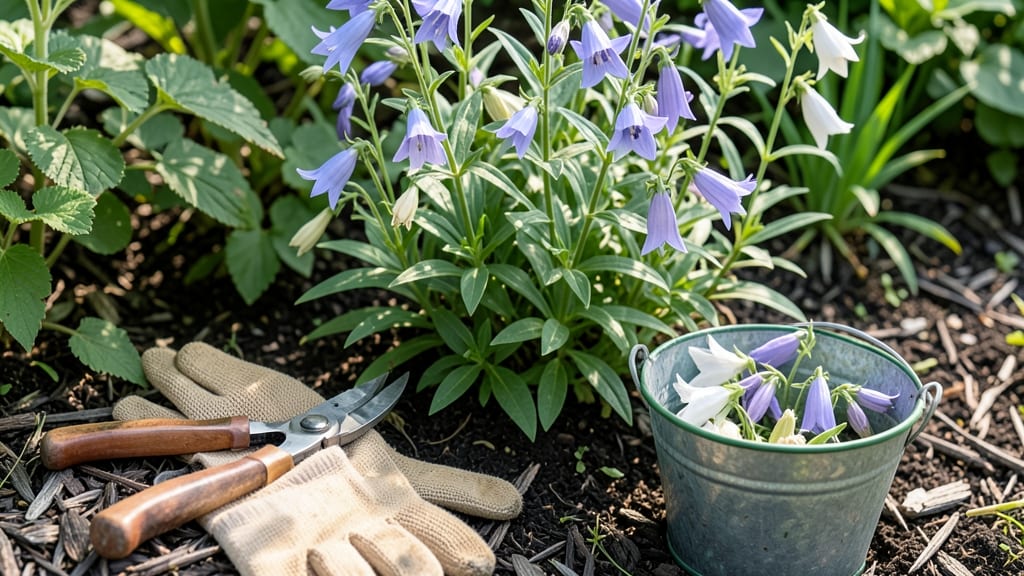
Deadheading campanula turns one season of blooms into two. ✨ I learned the hard way—ignoring those spent flowers meant my bellflowers faded by July, but after mastering this simple technique, they kept blooming until frost. The key is timing, tools, and a gentle touch that won’t shock the plant.
You’ll need just three things: sharp pruners (or clean scissors), gloves for grip, and a clear day to work. The best time is right after flowering peaks—usually late spring to early summer—but you can extend blooms by deadheading faded flowers all season.
Campanula’s delicate stems bruise easily, so snip just above the next set of leaves, not the woody base.
What you’ll get is a bushier plant with nonstop blooms for weeks longer than usual. The flowers stay vibrant, and the plant puts energy into new growth instead of seed production. Even my black thumb can’t kill these after deadheading—just avoid over-pruning, and they’ll reward you with cascades of color.
Works for all campanula varieties, from trailing types to upright ones. Here’s how to do it without damaging your plants—and keep them flowering until fall. Ready to transform your garden? Let’s get those blooms back in action.
📚 In This Guide
- What you need
- Instructions
- Tips and common mistakes
- Wrapping up and next steps
What you need
- ● Pruning shears or sharp scissors – Choose a pair with bypass blades (not anvil-style) to make clean cuts. A 5-inch pair works well for most Campanula varieties.
- ○ Gloves (optional but recommended) – Wear gardening gloves to protect your hands from thorns (if your variety has them) or dirt.
- ● Watering can or hose – Keep your plant hydrated before and after pruning to reduce stress.
- ○ Compost or mulch (optional but helpful) – A small bag of organic compost or mulch to refresh the soil after deadheading.
- ● Hand lens or magnifying glass – For spotting hidden buds or pests before pruning.
- ● Disinfectant (rubbing alcohol or bleach solution) – Wipe your shears with 70% isopropyl alcohol or a 1:9 bleach-water mix between cuts to prevent disease.
- ● Garden twine or small bag – Collect spent blooms for composting instead of tossing them.
- ● Pruning saw (for woody varieties) – Only needed if your Campanula has thick, woody stems.
Step-by-step instructions for deadheading campanula
Here’s the simple method I use to keep campanula blooming all season long—no fancy tools needed.
✂️ Step 1: Identify Spent Blooms and the Right Time to Prune
Wait until a flower head has fully faded but hasn’t yet developed seed pods—this is your sweet spot for pruning. Look for blooms where the petals have dropped completely, leaving a brown center. If you see tiny green seed pods forming, you’ve waited too long.
Use clean, sharp pruners or even your fingers to pinch off the dead bloom. The goal is to remove the entire stem down to the first set of healthy leaves or the main stem. This encourages new growth from the base, not just from side shoots. I always prune in the morning when the plant is hydrated and the air is cooler—this reduces stress on the plant.
✂️ Step 2: Prune at the Correct Spot for Bushier Growth
Never cut back to bare wood or old growth—this can shock the plant. Instead, trim just above the first pair of leaves below the faded bloom. This is where new side shoots will emerge, creating a fuller, bushier plant. For trailing campanula varieties, you can also trim back leggy stems to encourage more compact growth.
If your campanula is particularly vigorous, you can even cut back up to one-third of the plant’s height in early spring. This isn’t just deadheading—it’s a rejuvenation prune that spurs fresh, vigorous growth for the season. Just avoid heavy pruning after mid-summer, as this can delay fall blooms.
✂️ Step 3: Encourage Continuous Blooming with Regular Maintenance
Deadheading isn’t a one-time task—it’s an ongoing process. Check your campanula every 3-5 days during peak bloom time (spring to early fall) and remove faded blooms as soon as you spot them. The more consistently you prune, the longer your plant will keep producing fresh flowers.
Here’s the thing—campanula blooms on new growth, so the more you prune correctly, the more flowers you’ll get. If you notice fewer blooms over time, it might mean you’re pruning too late in the season or not removing enough spent flowers. A quick once-over every few days keeps things in check without overwhelming your schedule.
💧 Step 4: Water and Fertilize After Pruning for Stronger Regrowth
After deadheading, give your campanula a deep watering to help it recover. Focus on the base of the plant, avoiding the leaves to prevent fungal issues. The soil should be moist but not soggy—think of it as a refreshing drink after a workout. This is especially important if you’ve done any heavier pruning, as the plant will need extra energy to bounce back.
If your campanula looks a bit tired after pruning, add a balanced, water-soluble fertilizer (like a 10-10-10 mix) at half strength. This gives it a gentle boost without overloading it with nutrients. I like to fertilize right after pruning and again in early summer to keep the blooms coming. Just avoid fertilizing in late summer or fall, as this can encourage weak, late-season growth that won’t survive winter.
⏰ Step 5: Adjust Your Approach for Seasonal Changes
In early spring, focus on cleaning up any dead or damaged stems from winter. This isn’t deadheading—it’s more like giving your plant a fresh start. As summer progresses, switch to regular deadheading to keep the flowers coming. By late summer, you can ease up on pruning, as campanula often produces a second flush of blooms in fall.
Real talk: If you miss a few blooms or wait a little too long to prune, don’t stress. Campanula is forgiving, and even if you skip a week, the plant will still reward you with more flowers. The key is consistency—not perfection. Over time, you’ll get a feel for your plant’s rhythm and know exactly when to prune for the best results.
Tips & tricks for perfect campanula pruning
These simple secrets will help you keep your campanula blooming beautifully all season long—without the guesswork.
Timing is Everything: The 3-5 day check-in window during peak bloom (spring to early fall) is your golden opportunity. I've learned that waiting even a day or two past that faded-but-not-seedy stage means missing out on potential new blooms. That little green seed pod is your warning sign—once it appears, the plant has already shifted its energy to seed production instead of flowers. Think of it like catching a wave at just the right moment.
Tool Matters More Than You Think: While you can pinch off blooms with your fingers, I've found that clean, sharp pruners make all the difference. Dull tools crush stems instead of making clean cuts, which can damage the plant and invite disease. I keep a small pair of pruners dedicated just to my campanula—it's worth the small investment for that professional finish. And always sterilize your tools between plants to prevent spreading any potential issues.
Seasonal Strategy: That early spring rejuvenation prune (up to one-third of plant height) is your secret weapon for a spectacular season. I've seen campanula that looked completely spent in winter completely transform after this treatment. The key is timing—do it as new growth begins, not after the plant has already pushed out its first flush of flowers. For fall bloomers, ease up on pruning after mid-summer to let those late-season flowers develop naturally.
Visual Cues for Perfect Pruning: When you're trimming just above the first pair of healthy leaves, look for that little bump where new shoots will emerge. It's often hidden but becomes visible if you gently bend the stem. This is your target spot—cutting here ensures you're encouraging growth from the base rather than just the sides. I've made the mistake of cutting too high, which leaves bare stems that never produce flowers.
Pro Tips for Deadhead Campanula
- These simple secrets will help you keep your campanula blooming beautifully all season long—without the guesswork.
- Timing is Everything: The 3-5 day check-in window during peak bloom (spring to early fall) is your golden opportunity.
- Tool Matters More Than You Think: While you can pinch off blooms with your fingers, I've found that clean, sharp pruners make all the difference.
Frequently asked questions
Got questions about deadheading your Campanula? You’re not alone—this task can feel tricky at first! Below, we’ve rounded up the most common queries to help you prune like a pro and keep those bell-shaped blooms coming.
When is the best time to deadhead campanula?
Deadhead Campanula after the flowers fade but before seed pods form—typically in late spring through early summer for most varieties. For perennial types, focus on spent blooms in the first flush of spring and again in early fall. Pro tip: Regular checks (every 1–2 weeks) prevent seed heads from stealing energy from new growth!
Do I cut all the way down to the base?
Nope! Trim back to the first set of healthy leaves or a strong stem node (about 1/3 of the way down). Cutting too aggressively can shock the plant. For trailing varieties (like Campanula poscharskyana), leave some foliage to maintain coverage and prevent legginess. Remember: Sharp, clean cuts heal faster!
What if my campanula stops blooming after deadheading?
No blooms? Check these fixes:
- Light: Ensure it gets 4–6 hours of sun daily (most Campanula thrive in partial shade but need light for flowers).
- Water: Drought stress can halt blooming—keep soil consistently moist but not soggy.
- Fertilizer: A balanced, low-nitrogen feed (like 10-10-10) in early spring can encourage new growth.
Can I skip deadheading and just let the seed heads stay?
You can, but expect fewer blooms next season! Seed heads divert energy from new flowers. If you love the rustic look, leave a few—but remove most to encourage bushier growth. Bonus: Save seeds from healthy plants for next year’s garden!
How do I deadhead campanula in hot or humid climates?
Heat and humidity can stress plants, so:
- Deadhead early in the morning or late afternoon to avoid wilting.
- Water deeply before pruning to plump up stems.
- Mulch around the base to retain moisture and cool roots.
Wrapping up and next steps
Deadheading campanula is a simple yet powerful way to keep your garden thriving with vibrant blooms all season long! 🌸 By following these steps—using clean tools, timing cuts just right, and keeping an eye on plant health—you’ll encourage bushier growth and extend your campanula’s flowering period effortlessly.
With a little regular care, your hard work will pay off in a stunning, low-maintenance display that turns heads (and maybe even a few jealous glances from neighbors!).
Ready to take your gardening game to the next level? Grab your pruners and give your campanula the TLC it deserves! 🌿 For even more tips, explore our guide on seasonal pruning to keep your entire garden in peak condition.