
Container Gardens
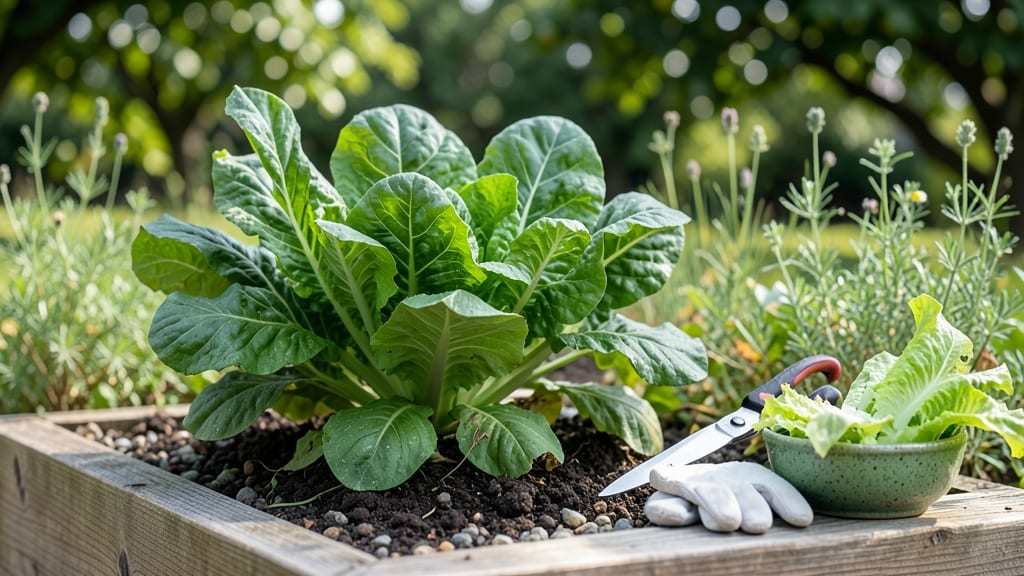
The correct way to cut lettuce for maximum regrowth
Harvesting lettuce the right way transforms a single plant into a continuous salad source for weeks. The key is cutting leaves at the base without damaging the growing point—the center where new leaves emerge.
This method preserves the plant’s energy while giving you fresh greens. I’ve found that leaf lettuce varieties regrow best with this technique, but even romaine and butterhead can bounce back if handled carefully.
Timing matters just as much as technique. Harvest when leaves reach 4-6 inches long—this is when they’re crisp and flavorful. If you wait too long, the plant may bolt (flower), ruining both regrowth and taste.
Early morning harvests are ideal because leaves are hydrated and easier to cut cleanly. Avoid harvesting after rain or late in the day when leaves are wilted.
Your tools make all the difference. A sharp pair of kitchen scissors or a clean pruning shears works best—never tear leaves by hand. Dull blades crush stems, inviting disease and stunting regrowth.
I keep a small pair dedicated solely to gardening, sanitized with rubbing alcohol between uses. For container-grown lettuce, a small serrated knife also works well.
Step-by-Step Lettuce Cutting Guide
After cutting, let the plant rest for 3-5 days before harvesting again. This recovery time lets the plant redirect energy to new growth. I’ve seen leaf lettuce regrow enough for a second harvest in just 7-10 days, while romaine takes slightly longer—about 2 weeks.
The goal is to balance harvest frequency with the plant’s ability to recover, especially in hot weather when growth slows.
Soil health plays a hidden role in regrowth. Lettuce thrives in well-draining, nitrogen-rich soil with a pH of 6.0-7.0. Before planting, mix in compost or aged manure to provide nutrients.
During the growing season, top-dress with a light nitrogen fertilizer every 3-4 weeks. I use a 5-10-10 formula diluted to half-strength, applied in the evening to reduce leaf burn.
Watch for signs of stress after cutting. Yellowing leaves often signal over-harvesting or nutrient deficiency, while crisp, upright regrowth means you’re on the right track.
If your lettuce bolts (sends up a tall flower stalk), it’s a sign of heat stress or maturity—time to harvest the whole plant before seeds form. To delay bolting, provide afternoon shade in hot climates or succession-plant lettuce in cooler months.
Container gardeners have an extra advantage: they can replace old plants easily. If your lettuce peters out after multiple harvests, simply pull it and sow new seeds. I keep a small batch of lettuce seeds on hand for quick replacements, ensuring a steady supply.
For in-ground gardens, interplant lettuce with fast-growing radishes—they’re ready in 30 days, giving your lettuce time to recover between harvests.
One of my biggest mistakes early on was cutting too close to the center. I thought removing more leaves would encourage bushier growth, but it actually stressed the plant. Now, I never cut below the lowest set of leaves—this preserves the growing point and keeps the plant productive.
With practice, you’ll develop an eye for the perfect cut that maximizes yield without harming the plant.
For those growing lettuce in shady conditions, regrowth may be slower but still possible. Focus on leaf lettuce varieties like ‘Black Seeded Simpson,’ which tolerates lower light. In shady spots, increase harvest intervals to 10-14 days and monitor soil moisture closely—lettuce in shade is more prone to drying out.
A thin layer of mulch helps retain moisture and keep roots cool.
With these techniques, I’ve extended my lettuce harvests from a single 4-week window to 8-10 weeks of continuous picking. The secret isn’t just in how you cut, but in combining proper timing, soil care, and gentle harvesting.
Soon, you’ll have a lettuce plant that seems to regrow overnight, giving you fresh salads all season long. 🌱
The correct way to cut lettuce for maximum regrowth
Harvesting lettuce the right way ensures your plants stay productive for weeks, not days. The key is cutting outer leaves while preserving the inner growing point. This method lets your lettuce continue producing fresh leaves instead of bolting or dying back.
I’ve found that patience and precision pay off with continuous harvests—even from a single plant.
Start by selecting mature outer leaves that are at least 4-6 inches long. These leaves are fully grown and won’t stunt the plant’s growth if removed. Always use a clean, sharp pair of scissors or pruning shears—dull tools crush stems and invite disease.
Cut just above a leaf node (where new leaves emerge) to encourage regrowth from that spot.
After cutting, rinse your lettuce immediately under cool water to remove dirt and pests. Store harvested leaves in a perforated plastic bag in the fridge for up to 5 days—they’ll stay fresher longer than store-bought!
For even better regrowth, water your plant deeply after harvesting and mulch around the base to retain moisture.
Timing matters too. Harvest every 2-3 weeks during the growing season, but reduce frequency in heat (lettuce bolts faster when stressed). If your plant starts looking leggy or sparse, it’s begging for a break—stop cutting and let it recover for 2-3 weeks before resuming.
With this method, I’ve kept my lettuce plants producing for 8-10 weeks—far longer than the typical 4-6 week lifespan of unharvested lettuce. The secret? Balance: cut enough to enjoy fresh greens, but leave enough to keep growing. Your future self (and salad bowl) will thank you!