
Tools
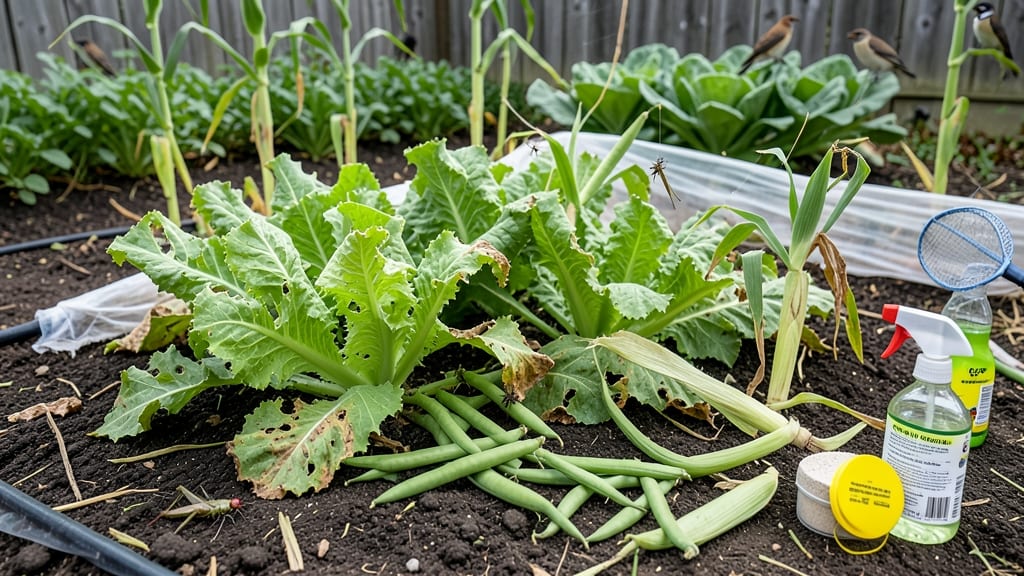
How to control grasshoppers in the garden—I learned the hard way last summer when they turned my zucchini plants into lace in days, stripping leaves down to stems. The damage wasn’t just unsightly—it was devastating. What worked? A neem oil barrier that smothers eggs before they hatch and disrupts nymphs before they multiply. It’s not just about spraying—it’s about creating a defensive layer that grasshoppers can’t cross.
The secret lies in timing and technique. Apply neem oil twice a week during peak grasshopper season (late spring through summer), focusing on plant edges and soil surfaces where eggs hide.
Mix it with water and a drop of dish soap to help it stick—grasshoppers avoid treated areas, and their populations crash before they become a full-blown invasion. The best part? It’s pollinator-safe when used correctly, unlike chemical sprays.
By mid-July, my garden looked like a different place—no more skeletonized leaves, just thriving plants and fewer hoppers. The key is consistency: one missed application can mean a comeback.
Combine this with row covers for young plants and tall grasses at garden edges to lure them away from your veggies, and you’ll break the cycle for good.
This method works in dry climates too—no extra water needed—and scales from backyard plots to larger gardens. The only downside? You’ll need to reapply after rain. Trust me, the trade-off is worth it for a garden that doesn’t look like a buffet for grasshoppers.
Grasshopper Overpopulation Explained
Grasshoppers don’t just appear in your garden by accident—they’re drawn in by specific conditions that turn your yard into their perfect breeding ground. Understanding these triggers is the first step to stopping them before they become a full-blown infestation.
Below, we break down the key reasons grasshoppers thrive in gardens, from environmental factors to human habits that accidentally invite them.
Grasshoppers love dense, unkempt vegetation because it provides shelter, moisture, and easy access to food. Tall grasses, weeds, and thick ground cover act like a five-star hotel for them, offering:
- Shade and humidity: Grasshoppers are sensitive to drying out. Areas with thick mulch or leaf litter retain moisture, keeping their eggs and nymphs hydrated.
- Food buffet: Overgrown plants (especially legumes, grains, and broadleaf weeds) are a grasshopper’s dream meal. A single female can lay up to 800 eggs in soil, and these hatchlings need immediate food sources.
- Predator evasion: Birds and beneficial insects struggle to navigate dense foliage, giving grasshoppers an unfair advantage.
Actionable insight: Mow regularly, remove weeds, and avoid thick mulch layers near planting beds to disrupt their lifecycle.
Grasshoppers are cold-blooded, meaning their activity levels skyrocket in warm, dry conditions. Here’s how climate plays a role:
- Faster egg development: Eggs buried in soil hatch in 10–14 days when temperatures exceed 75°F (24°C). Cooler springs delay hatching, but heat waves trigger mass emergences.
- Drought stress in plants: Parched plants become more nutritious to grasshoppers, making them more likely to linger and reproduce.
- Reduced natural predators: Birds and spiders become less active in extreme heat, leaving grasshoppers with fewer threats.
Actionable insight: Monitor weather forecasts—peak grasshopper activity often follows heatwaves or early summer droughts. Use neem oil or diatomaceous earth as a preventive barrier during these periods.
Not all plants are equally appealing to grasshoppers. They have a preference hierarchy, targeting:
| High-Risk Plants | Why They’re Targeted |
|---|---|
| Legumes (beans, peas, clover) | High in protein—ideal for nymphs and adults. |
| Grasses (corn, wheat, ornamental grasses) | Soft stems are easy to chew; grasshoppers use them for shelter. |
| Vegetables (squash, lettuce, tomatoes) | Juicy, tender leaves are a quick energy source. |
| Fruit trees (apple, cherry, peach) | New growth is especially vulnerable to nymphs. |
Actionable insight: Plant grasshopper-resistant varieties (e.g., Swiss chard, basil, marigolds) as borders. Avoid over-fertilizing with nitrogen—it makes plants more attractive to them.
Grasshoppers lay eggs in moist, well-drained soil—not soggy or rocky ground. Here’s why your garden’s drainage matters:
- Optimal moisture for eggs: Eggs need consistent humidity to survive. Compacted or waterlogged soil suffocates them, but too dry soil causes them to desiccate.
- Root zone access: Grasshoppers prefer areas where their nymphs can easily reach plant roots for food.
- Avoiding predators: Birds dig for eggs in loose soil, but compacted areas (like heavily walked paths) deter them.
Actionable insight: Test your soil’s drainage—if water pools after rain, amend with sand or organic matter to create a less hospitable egg-laying environment.
Now that you know why grasshoppers invade, the next step is turning your garden into a no-go zone for them—starting with a neem oil barrier that smothers their lifecycle at the source.
Natural Fixes for Grasshopper Overruns
Grasshoppers can turn your lush garden into a buffet, but the good news is you don’t need harsh chemicals to reclaim it. Below are targeted, eco-friendly solutions tailored to the root causes of your grasshopper problem—whether it’s eggs, nymphs, or adult jumpers wreaking havoc.
Each fix is designed to be easy to implement, cost-effective, and kind to your plants (and pollinators).
---
Grasshopper eggs overwinter in soil, so prevention starts in late summer/fall when they’re laid.
#### 🔥 Tilling & Soil Disturbance (Best for Lawns & Garden Beds) - Why it works: Grasshoppers lay eggs in loose, undisturbed soil.
Tilling buries eggs deeper where they won’t hatch or exposes them to predators. - How to do it: - Use a rototiller or broadfork in late fall (after eggs are laid but before winter). - Aim for 4–6 inches deep—this disrupts egg pods. - Pro tip: 💡 Combine with neem oil (mix 1 tbsp per gallon of water) and spray the tilled soil to smother emerging nymphs in spring.
#### 🍳 Neem Oil Barrier (Prevents Hatching & Deters Adults) - Why it works: Neem oil disrupts grasshopper egg development and repels adults with its bitter taste. - How to do it: - Fall treatment: Spray neem oil (1–2%) on soil in high-risk areas (near fence lines, dry patches, or last year’s infested zones). - Spring boost: Reapply in early spring (before nymphs emerge) to starve out eggs and deter laying females. - Recipe: Mix 1 tbsp neem oil + 1 tsp mild soap + 1 gallon water.
Spray evenly on soil, not just plants.
#### 👨🍳 Beneficial Nematodes (Micro Predators for Eggs) - Why it works: Heterorhabditis bacteriophora nematodes seek out and kill grasshopper eggs without harming plants. - How to do it: - Apply 1–2 pounds per 100 sq ft in late summer/fall (when eggs are laid). - Water lightly before and after to activate them. - Best for: Organic gardens or areas with chronic infestations.
---
Nymphs (baby grasshoppers) are less mobile but voracious—catch them before they mature.
#### 🥘 Hand-Picking & Drowning (Best for Small Gardens) - Why it works: Nymphs are slow-moving and easy to spot on leaves/stems. - How to do it: - Morning pickings: Grasshoppers are lethargic in cool temps (early AM or post-rain). - Drop them into a bucket of soapy water (1 tbsp dish soap + water). - Pro tip: 🌡️ Use gloves—some species (like red-legged grasshoppers) can bite!
#### 🔪 Physical Barriers (Protect Delicate Plants) - Why it works: Young plants are most vulnerable—barriers block nymphs from reaching them. - How to do it: - Row covers: Use fine mesh (1mm holes) over seedlings, herbs, or veggies. - Copper tape: Wrap copper ribbon around plant stems—grasshoppers avoid the metal. - Diatomaceous earth (DE): Sprinkle food-grade DE around plant bases (reapply after rain).
It dehydrates nymphs but is safe for pets once settled.
#### 🎯 Bird & Bat Houses (Free Pest Control) - Why it works: Birds (like meadowlarks, sparrows, and swallows) and bats love munching grasshoppers. - How to do it: - Install birdhouses near infested areas (use untreated wood). - Add a small water source to attract them. - Best birds: Purple martins eat thousands per season—consider a colony house!
---
Adult grasshoppers are fast and hardy—focus on repellents, traps, and habitat tweaks.
#### 🌿 Plant Repellents (Natural Deterrents) - Why it works: Some plants confuse or repel grasshoppers with strong scents. - Top picks to interplant: - Marigolds (contain pyrethrin, a natural insect repellent). - Basil, mint, or lavender (grasshoppers avoid strong aromas). - Garlic & onions (plant near high-risk crops like corn).
#### 🕷️ Spider & Predatory Insect Allies - Why it works: Spiders, ground beetles, and parasitic wasps naturally control grasshopper populations. - How to encourage them: - Leave leaf litter in shady corners (beetles hide there). - Avoid broad-spectrum pesticides—they kill beneficial bugs too. - Plant native wildflowers (like milkweed or goldenrod) to attract predators.
#### 🕯️ Light Traps (For Nighttime Jumpers) - Why it works: Grasshoppers are drawn to light at night. - How to do it: - Place a white sheet near a bright LED bulb (or solar light). - Shake the sheet into a bucket of soapy water daily. - Best for: Large gardens or persistent adult swarms.
---
Stop grasshoppers before they start with these low-effort, high-impact strategies.
#### ✨ Water Wisely (They Love Dry Conditions) - Why it works: Grasshoppers thrive in drought-stressed areas. - Fix: - Deep-water plants (1 inch per week) to keep soil moist. - Mulch heavily (straw or wood chips) to retain moisture. - Avoid overwatering lawns—they create dry edges where eggs hatch.
#### 🌿 Diversify Your Garden (Confuse Them) - Why it works: Monocrops (like corn or alfalfa) are grasshopper magnets. - Fix: - Interplant with repellent herbs (basil, thyme). - Add tall grasses (like switchgrass) as decoy food sources. - Rotate crops yearly to disrupt egg-laying patterns.
#### 🧹 Clean Up Debris (Remove Hiding Spots) - Why it works: Grasshoppers hide in tall weeds and dead plants during the day. - Fix: - Mow high grass regularly (but leave clippings as mulch). - Remove crop residue after harvest (especially corn stalks). - Trim fence lines—grasshoppers often migrate from wild areas.
--- Final Pro Tip: 🎯 Combine methods for best results—e.g., neem oil in fall + birdhouses + hand-picking in spring. Grasshoppers are resilient, but a multi-layered approach keeps them in check without chemicals.
Now grab your neem oil, gloves, and watering can—your garden’s about to get its groove back! 🌱💚
Frequently asked questions
When is the best time to apply neem oil for grasshopper control?
Apply neem oil twice a year: once in late summer/fall (after eggs are laid) and again in early spring (before nymphs emerge). Focus on soil surfaces, especially near fence lines or dry patches where grasshoppers lay eggs. Reapply after heavy rain to maintain the protective barrier.
Will diatomaceous earth harm my plants or beneficial insects?
Food-grade diatomaceous earth (DE) is safe for plants when applied correctly, but it can harm beneficial insects like bees if they come into direct contact. Sprinkle DE around plant bases (not on flowers) and avoid applying it when bees are active. It works by dehydrating grasshoppers, not by poisoning them.
How do I know if my grasshopper problem is severe enough for chemical treatments?
Use chemical controls only as a last resort when natural methods fail. Signs of a severe infestation include complete defoliation of plants, visible damage to fruit/vegetables, or hundreds of grasshoppers per square yard. If you choose chemicals, opt for pyrethrin-based sprays (derived from chrysanthemums) which are less harmful to pollinators than synthetic pesticides.
Can I use row covers to protect my entire vegetable garden?
Row covers work well for small gardens or individual plants, but they can be cumbersome for large areas. For full garden protection, use fine mesh (1mm holes) and secure edges tightly. Remove covers during pollination periods (if using insect-pollinated plants) to allow bees access. Consider copper tape barriers around plant stems as an alternative for larger areas.
Why do grasshoppers seem to disappear in winter but come back worse in spring?
Grasshoppers lay hundreds of eggs in soil in late summer/fall, which overwinter and hatch in spring when temperatures rise. The eggs survive winter because they're buried 1-4 inches deep where they're protected from freezing. Spring warmth triggers mass hatching, which is why you see sudden outbreaks—it's the result of eggs laid months earlier.