
Tools
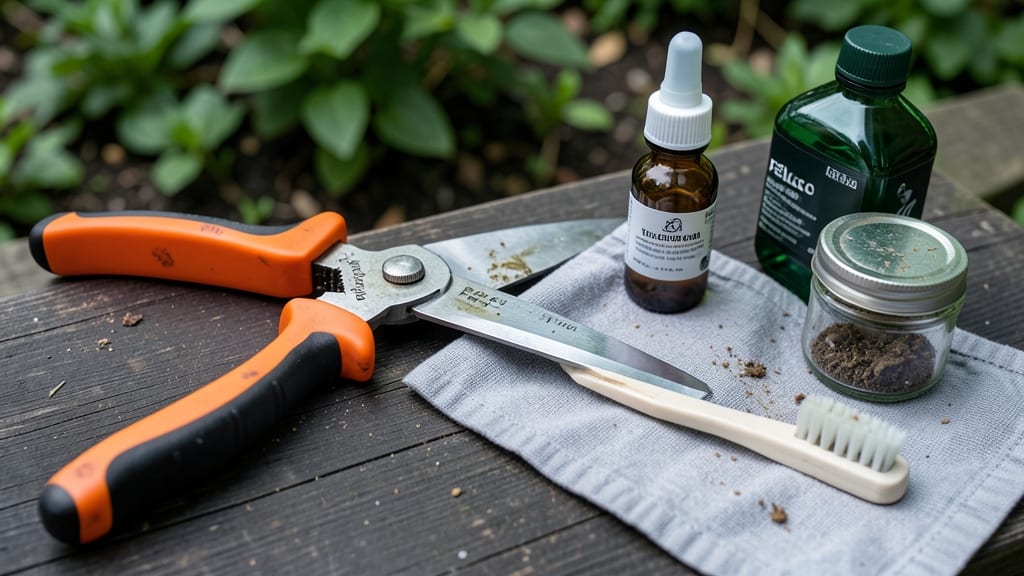
Dull blades and sticky residue don’t belong on your Felco secateurs—these tools deserve better. 🌿 A quick clean keeps them sharp, rust-free, and ready for precise cuts. I’ve spent years maintaining mine, and this method works in just 5 minutes, saving you time and frustration.
Start with warm, soapy water to break down sap and grime—Felcos handle this better than harsh chemicals. Use a stiff brush to scrub the blade and pivot area, then rinse thoroughly. Pat dry immediately to prevent rust, especially after wet weather or heavy use.
After cleaning, apply a thin layer of oil to the pivot and blade hinge. This keeps moving parts smooth and prevents corrosion. Store them in a dry place with the blades closed, or use a dedicated tool bag to protect them from moisture and dust.
The key is consistency—clean after every few uses, and you’ll extend your Felcos’ life for years. Sharp blades mean cleaner cuts, less plant stress, and a tool that lasts longer than store-bought alternatives.
📚 In This Guide
- What you need
- Instructions
- Tips and common mistakes
- Wrapping up and next steps
What you need
- ● Soft-bristle brush (e.g., toothbrush or nylon scrub brush) – for scrubbing stubborn debris.
- ● Mild dish soap (e.g., Dawn) – 1-2 tbsp per bowl of water.
- ● Rust converter or oil (e.g., WD-40 Specialist Rust Converter or mineral oil) – for prevention and lubrication.
- ● Clean microfiber cloths (2-3) – for drying and polishing.
- ○ Rubbing alcohol (70% isopropyl) – optional but great for disinfecting.
- ● Rag or paper towels – for wiping excess moisture.
- ● Vinegar (white, diluted 1:1 with water) – for tough rust stains (soak for 10-15 mins).
- ● Fine steel wool (0000 grade) – for gentle rust removal on blades.
- ● Silicone spray lubricant – long-term protection for hinges.
- ● Magnifying glass – to inspect hard-to-see crevices.
Instructions: revive your Felco secateurs in minutes
Here's the quick, foolproof method I use after every heavy pruning session—no special tools needed.
🪴 Step 1: Disassemble and Inspect the Blade
Start by opening the secateurs and removing the blade. I like to work on a clean towel to catch any debris—this keeps my workspace tidy and prevents losing small parts. Look closely at the cutting edges; you'll see sap buildup, rust spots, or even old resin if you've pruned conifers or maple trees. These blockages dull the blade faster than anything else.
Run your thumb along the cutting edge—if it feels rough or sticky, that's your first sign it needs cleaning. The pivot pin should move smoothly; if it feels stiff, we'll address that next. Never force the blade open if it's stuck—Felco secateurs are precision tools, and prying them apart can damage the springs or hinge.
💧 Step 2: Soak and Scrub Away Residue
Fill a container with warm water and add a few drops of mild dish soap. I use Dawn because it cuts through organic gunk without damaging metal. Submerge the blade and pivot area for 10-15 minutes—longer if you see thick sap buildup. The warm water softens dried resin while the soap lifts sap and dirt from crevices.
After soaking, use an old toothbrush to scrub the cutting edges, pivot pin, and spring area. Pay special attention to where the blade meets the frame—this is where debris collects and causes rust. I work in small circles with the toothbrush, applying gentle pressure. If you see rust spots, don't panic; we'll handle those next. The key is thoroughness—every nook needs attention.
✂️ Step 3: Polish and Protect the Blade
Rinse all parts with clean water and dry immediately with a soft cloth. While the blade is still damp, apply a few drops of food-grade mineral oil to the cutting edge and pivot pin. The oil prevents rust and keeps the mechanism lubricated. I use a clean cloth to spread it evenly—don't overdo it, just enough to coat the metal lightly.
For stubborn rust spots, use a fine-grit sandpaper (around 400-600 grit) to gently polish the affected area. Work in the direction of the blade's edge to avoid creating new nicks. After sanding, wipe away any dust and reapply a thin layer of oil. The blade should now glide smoothly when you close and open the secateurs—if it still feels stiff, the pivot pin may need replacement.
🪴 Step 4: Reassemble and Test
Reattach the blade to the frame and test the cutting action. The secateurs should open and close with a clean, crisp motion—no wobbling or resistance. Make a few test cuts on a scrap piece of wood or a pencil to check the sharpness. If the blade bites cleanly through the pencil without splintering, it's ready for your next pruning session.
Store your Felco secateurs in a dry place, preferably with the blade open slightly to allow air circulation. I keep mine in a small tool roll with a silica gel packet to absorb any moisture. This simple habit extends the life of your tool and keeps it performing like new between cleanings. Real talk: a well-maintained Felco will outlast three cheap pruners—worth the five minutes!
Tips & tricks for reviving your Felco secateurs
Took me a while to figure these out, so here goes—your Felco secateurs deserve better than a quick wipe-down after every use.
Inspection is Key: In Step 1, when you're checking the cutting edge, pay special attention to the pivot pin area. This is where sap and dirt build up fastest—run your thumb along the hinge joint too. If you feel any resistance here, that's your first warning sign the mechanism needs attention. I've found that the longer you wait to clean, the harder it becomes to remove that sticky resin.
Soaking Time Matters: The 10-15 minute soak in warm soapy water is non-negotiable, but here's what nobody tells you—if you're dealing with really stubborn sap (like from maple trees), let it soak for up to 30 minutes. The warm water breaks down the resin much faster than you'd think. Just don't let it sit too long or the soap might start to break down the metal finish over time.
Polishing Pro Tip: When you're sanding those rust spots in Step 3, work slowly and always in the same direction as the blade's edge. I've ruined perfectly good blades by sanding across the grain—it creates tiny notches that dull the edge faster. After sanding, wipe away every last bit of dust before oiling, or you'll trap grit that can damage the blade when you use it next.
Pro Tips for Clean Felco Secateurs
- Took me a while to figure these out, so here goes—your Felco secateurs deserve better than a quick wipe-down after every use.
- Inspection is Key: In Step 1, when you're checking the cutting edge, pay special attention to the pivot pin area.
- Soaking Time Matters: The 10-15 minute soak in warm soapy water is non-negotiable, but here's what nobody tells you—if you're dealing with really stubborn sap (like from maple trees), let it soak for up to 30 minutes.
Frequently asked questions
How often should I clean my Felco secateurs?
Clean your Felco secateurs after every use if you’ve cut wet, sticky, or sap-heavy plants (like roses or citrus). For dry pruning, a quick wipe-down with a cloth every few uses keeps rust and buildup at bay. Pro tip: If you notice resistance or dullness, it’s time for a deeper clean!
Can I use soap or bleach to clean Felco secateurs?
Use a mild dish soap (like Dawn) for general cleaning, but never bleach—it damages the blade’s tempering and corrodes metal. For stubborn sap, a 50/50 vinegar-water mix works well. Warning: Avoid abrasive pads or harsh chemicals that strip protective coatings.
What’s the best way to dry Felco secateurs after cleaning?
Wipe them thoroughly with a microfiber cloth, then let them air-dry in a well-ventilated spot (avoid direct sunlight, which can warp wood handles). For extra protection, apply a light coat of mineral oil to the blade and pivot screw after drying. Pro tip: Store them in a dry, upright position to prevent moisture buildup.
Why do my Felco secateurs feel sticky or gummy after cutting?
Plant sap, resins, or even fungal spores can coat the blade, causing stickiness. Soak in warm, soapy water for 10 minutes, then scrub gently with a nylon brush. For tough residue, a rubbing alcohol wipe (70% isopropyl) cuts through sap without damaging the blade. Bonus: This also disinfects the tool!
Can I sharpen Felco secateurs instead of cleaning them?
Sharpening fixes dullness, but cleaning is non-negotiable—rust, sap, and debris dull blades faster and clog the pivot. Always clean first, then sharpen (using a whetstone or dedicated secateur file) for best results. Remember: A clean blade stays sharp longer!
What’s the easiest way to remove dried sap from Felco secateurs?
Soak the blade in hot water with a few drops of dish soap for 5–10 minutes to soften sap. Scrub with a plastic scraper or old toothbrush, then finish with a vinegar-soaked cloth to dissolve residue. For hardened sap, a plastic putty knife (gently!) works wonders. Avoid metal tools—they scratch!
Wrapping up and next steps
Keeping your Felco secateurs in top shape is easier than you think—just a few minutes of care can restore their sharpness and extend their lifespan! 🌿 With the right tools and a systematic approach, you can tackle rust, debris, and dull blades like a pro.
Now that you’re equipped with the know-how, grab those secateurs and give them the TLC they deserve—your garden (and future pruning tasks) will thank you!
Ready to level up your pruning game? Try practicing on different plant types to refine your technique—or even explore advanced sharpening methods for that perfect cut every time. Happy gardening! ✂️🌱