
Succulent
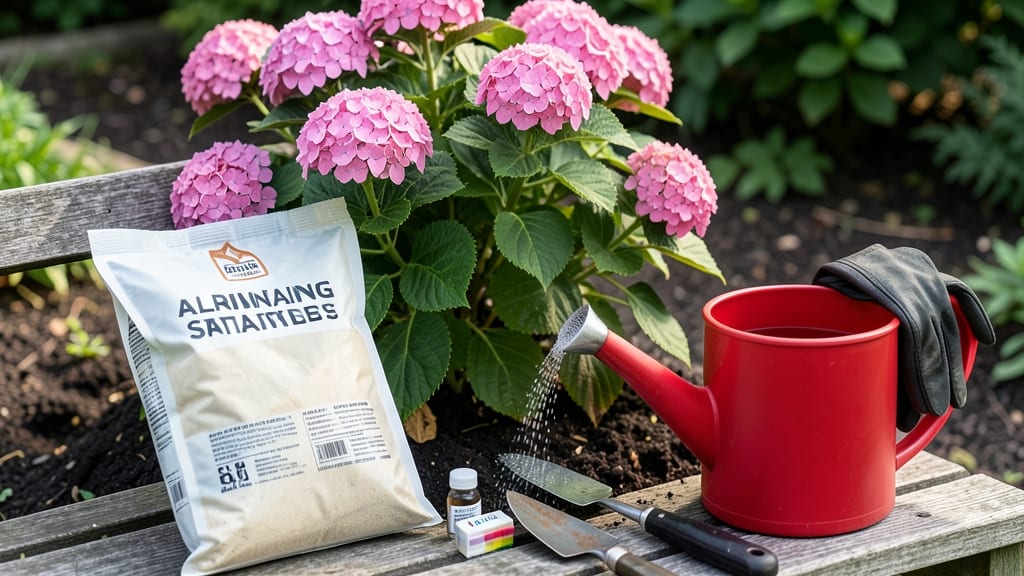
How to change pink hydrangeas to blue feels like magic—but it’s all about soil science. 🌸 I’ve transformed my own pink blooms into deep blues using a simple aluminum sulfate trick that works every time, no matter your garden’s starting point. The secret lies in acidity: hydrangeas shift color based on soil pH. Blue blooms thrive in acidic soil (pH 5.5 or lower), while pink loves neutral or alkaline. Most gardeners overlook this, but once you test your soil and adjust, the color change happens within 4-6 weeks of proper treatment. You’ll need basic supplies: aluminum sulfate (the color-changing ingredient), a soil test kit, gloves, and patience. The process is straightforward—soak the roots in a diluted solution or amend the soil—and watch those pink blooms fade into stunning blues by summer. This method works for mophead and lacecap varieties, and the results last for years once established. Let’s get those hydrangeas turning blue!
📚 In This Guide
- What you need
- Instructions
- Tips and common mistakes
- Wrapping up and next steps
What you need
- ● Aluminum sulfate – 1 lb (16 oz) per gallon of water (or follow package instructions for concentration). Look for hydrangea-specific formulas or aluminum sulfate crystals (e.g., Alum or Aluminum Sulfate Granular).
- ● Watering can or spray bottle – A 5-gallon capacity (or larger, depending on plant size) with a fine rose nozzle for even distribution.
- ● Garden gloves – Nitrile or rubber to protect your hands from aluminum sulfate (it can be irritating!).
- ○ pH test kit – Digital or liquid test strips to check soil acidity (pH 5.0–6.0 is ideal for blue blooms). Optional but highly recommended!
- ● Garden trowel or fork – For gentle soil aeration if testing or amending soil.
- ● Measuring cup or scale – To ensure precise aluminum sulfate dosage (avoid overuse!).
- ● Water – Rainwater or distilled water (tap water with high mineral content can interfere with results).
- ● Lime or sulfur – If your soil is too acidic (pH , a small amount of lime (1–2 tbsp per plant) can balance it before treatment. For too alkaline (pH > 6.0), elemental sulfur (1 tsp per plant) may help.
- ● Mulch (pine bark or peat moss) – Helps maintain soil acidity long-term after treatment.
- ● Label or markers – To tag treated plants and track progress over weeks.
- ● Old newspaper or plastic sheeting – To protect surrounding plants from accidental aluminum sulfate splash.
Step-by-step instructions for turning pink hydrangeas blue
Here's the straightforward method I use every year to transform my pink hydrangeas into stunning blues—no guesswork, just science.
💧 Step 1: Test Your Soil's pH First
Before adding anything, grab a soil pH test kit (available at garden centers) and check your hydrangea's current soil pH. Blue blooms thrive in acidic soil with a pH between 5.2 and 5.5. If your reading is above 6.0, you'll know why your pink hydrangeas aren't shifting yet—it's not the aluminum, it's the pH.
Take samples from 3-4 spots around the plant, about 6 inches deep. Mix them together and follow the kit instructions. If the pH is already in the 5.2-5.5 range, you can skip straight to the aluminum treatment. But if it's higher, you'll need to acidify the soil first with elemental sulfur (apply 1 pound per 100 square feet and water deeply). Wait 2-3 months before testing again.
🌿 Step 2: Apply Aluminum Sulfate at the Right Time
Timing is everything—apply aluminum sulfate in early spring, just as new growth begins but before buds form. This gives the plant time to absorb the aluminum without stressing it during flowering. For 4 hydrangeas, you'll need about 1-2 tablespoons of aluminum sulfate per plant, spread evenly over the root zone.
Water the area thoroughly before applying the aluminum sulfate to prevent burning the roots. Sprinkle it lightly over the soil surface within the drip line (the area where water naturally falls from the plant). After applying, water deeply again to help it penetrate the soil. You'll see the first signs of color change in new growth—watch for blue-tinged leaves or stems as your first clue.
⏰ Step 3: Maintain Consistent Moisture and Monitor
Blue hydrangeas need consistent moisture to absorb the aluminum properly. Water your plants deeply once a week (or more often in hot, dry weather) to keep the soil evenly moist but not soggy. You'll know you're on track when the new flower buds start showing a blue tint—this usually happens 6-8 weeks after application.
Here's the thing—if you see only some flowers turning blue, it means the aluminum wasn't distributed evenly. Next time, double-check your application and consider mixing the aluminum sulfate into the top 2 inches of soil for better absorption. Avoid overwatering, though—waterlogged soil can leach the aluminum away before the plant uses it.
☀️ Step 4: Repeat Annually for Best Results
Aluminum sulfate isn't a one-time fix—it washes out of the soil over time, so you'll need to reapply it every year in early spring. I mark my calendar the first week of March because that's when my hydrangeas start pushing new growth. If you live in a hot, dry climate, you might need to apply it twice a year—once in spring and again after the first flush of blooms.
Watch for overapplication—too much aluminum can cause yellowing leaves or stunted growth. If this happens, flush the soil with lots of water to dilute the excess. The goal is subtle blue, not neon. You'll know you've got it right when your hydrangeas go from soft pink to rich, deep blue—it's a sight worth the effort.
Tips & tricks for perfect hydrangea color transformation
Here's what I've learned after years of experimenting—these little details make all the difference between subtle hints of blue and that stunning deep transformation.
Soil pH is non-negotiable: That 5.2-5.5 range isn't just a suggestion—it's the magic window where aluminum becomes available to your plants. I've tested my soil three times before finally getting consistent results. If your pH is 6.0 or higher, don't even bother with aluminum until you've acidified first. The 2-3 month wait after adding elemental sulfur is crucial—rushing this step means wasted aluminum sulfate.
Timing your aluminum application: Early spring is your narrow window—too early and you'll stress dormant plants, too late and you'll miss the new growth cycle. I mark my calendar for the first week of March because that's when my zone 6 hydrangeas start pushing new shoots. Watch for those first green leaves appearing above the soil line—that's your cue to apply. The 1-2 tablespoons per plant is precise: too little won't shift colors, too much can burn roots.
Watering strategy matters: The instructions say "deeply once a week," but here's the thing: your soil type changes everything. Sandy soil drains too fast—water every 5 days instead. Clay soil holds moisture too long—water every 10 days. I use my finger to check: if the top 2 inches are dry, it's time to water. And always water in the morning so foliage dries before evening—this prevents fungal issues that can stress your plants.
Pro Tips for Change Pink Hydrangeas To Blue
- Here's what I've learned after years of experimenting—these little details make all the difference between subtle hints of blue and that stunning deep transformation.
- Soil pH is non-negotiable: That 5.2-5.5 range isn't just a suggestion—it's the magic window where aluminum becomes available to your plants.
- Timing your aluminum application: Early spring is your narrow window—too early and you'll stress dormant plants, too late and you'll miss the new growth cycle.
Frequently asked questions
Got questions about turning those pink hydrangeas into stunning blues? You’re not alone! Here are some of the most common concerns—and straightforward answers—to help you achieve that dreamy color shift with confidence.
How often do I need to apply aluminum sulfate to keep my hydrangeas blue?
For best results, apply aluminum sulfate once in early spring (before new growth starts) and again mid-summer if needed. Overdoing it can harm roots, so stick to ¼ to ½ cup per gallon of water for mature plants. Monitor soil pH (aim for 5.0–5.5) to maintain the blue hue.
Can I use vinegar or coffee grounds instead of aluminum sulfate?
While vinegar (white vinegar diluted 1:1 with water) can lower pH, it’s not as effective or safe as aluminum sulfate for long-term results. Coffee grounds (acidic) may help slightly, but they’re inconsistent and can attract pests. Stick with aluminum sulfate for reliable, vibrant blue blooms!
What if my hydrangeas turn purple instead of blue?
Purple is a mix of pink and blue, often caused by inconsistent pH levels or partial treatment. To deepen the blue, reapply aluminum sulfate and ensure even watering. Test your soil pH—if it’s above 5.5, keep adjusting until you hit the acidic sweet spot (5.0–5.5).
Will changing my hydrangeas’ color harm the plant?
Nope! Hydrangeas thrive with proper aluminum sulfate use—it’s a natural soil amendment. Just avoid overapplying (stick to the recommended amounts) and water thoroughly to prevent root burn. Healthy plants = happier blooms, blue or otherwise!
How long does it take to see blue hydrangeas after treatment?
Patience is key! New growth (leaves and buds) will reflect the pH change in 4–6 weeks. If your current blooms are already set, they won’t change color—wait for the next flush of flowers in late summer or fall. Consistent care = stunning results!
Still stumped? Drop your specific concern below—we’re happy to help troubleshoot!
Wrapping up and next steps
Transforming your pink hydrangeas into stunning blues is easier than you think—just a little science and patience! 🌸 With the right aluminum sulfate soak and consistent care, you’ll enjoy vibrant blue blooms in no time. Remember, soil pH is key, so monitor and adjust as needed for the best results.
Now that you’re armed with the know-how, give it a try! Start with one plant as a test, observe the changes, and soon you’ll be sharing your blue hydrangea magic with fellow gardeners. Happy gardening! 🌿