
Flowers
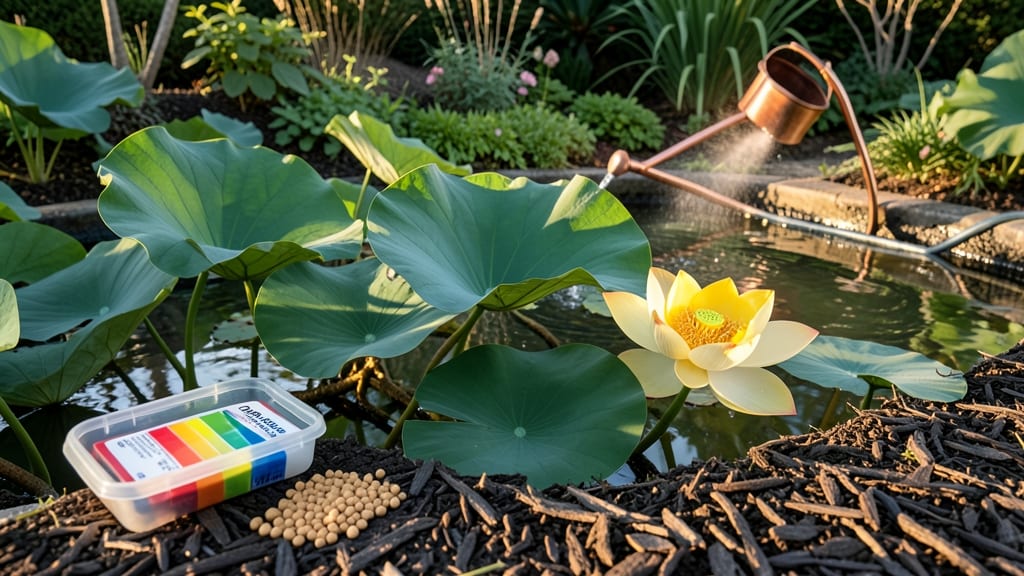
Lotus flowers transform any pond into a serene masterpiece. 🌿 Their velvety petals and striking blooms demand minimal effort but reward with breathtaking beauty—once you know the secrets to their care. Unlike fussy tropical plants, lotuses thrive with just the right balance of sun, water, and patience.
Their roots need 12-18 inches of water depth to stay healthy, while leaves float just above the surface. Sunlight is non-negotiable: 6-8 hours daily of direct rays fuels those iconic blooms.
The soil? Simple: a nutrient-rich pond bottom with clay or sand works perfectly—no fancy mixes required. Fertilizing twice a month with aquatic plant food keeps them lush without overpowering the water.
Pruning spent blooms encourages new growth, and dividing crowded plants every 2-3 years prevents competition. Hardy lotuses even survive winter in colder zones with proper mulching. The payoff? Months of dramatic blooms that make every pond feel like a private sanctuary.
Perfect for beginners or seasoned gardeners—lotuses forgive mistakes better than most aquatic plants. Here’s how to keep yours thriving year after year without the guesswork.
📚 In This Guide
- What you need
- Instructions
- Tips and common mistakes
- Wrapping up and next steps
What you need
- ● Lotus rhizomes or tubers: Healthy, disease-free rhizomes (1–3 per pond, depending on size). Choose Nelumbo nucifera (Asian lotus) or Nelumbo lutea (American lotus).
- ● Pond or container: Minimum depth: 12–18 inches (deeper for tropical varieties).
- ● Size: At least 3 ft in diameter (larger for multiple plants).
- ● Material: Fiberglass, plastic, or preformed ponds (avoid metal).
- ● Pond liner: 0.5–1 mm thick EPDM rubber liner (if using a DIY container).
- ● Pond soil or substrate: 3–6 inches of aquatic soil (e.g., Aquascape or Miracle-Gro pond mud).
- ● Water source: Dechlorinated tap water or rainwater (lotuses hate chlorine!).
- ● Fertilizer: Slow-release aquatic plant tabs (e.g., Aquarium Co-Op lotus fertilizer) or organic compost (1 tbsp per rhizome).
- ○ Pond thermometer (optional but helpful): To monitor water temps (ideal range: 70–85°F).
- ● Pond heater: For colder climates (50–70W submersible heater).
- ● Floating plants: Water hyacinth or duckweed to shade roots and reduce algae.
- ● Pond aerator: Small air stone or fountain (2–5W) to keep water oxygenated.
- ● Pond net: To protect blooms from pests (e.g., pond-safe fine mesh).
- ● Decorative rocks or gravel: For aesthetics (ensure they’re pond-safe and won’t leach chemicals).
Step-by-step instructions for caring for lotus flowers
Here's the straightforward approach I've used to keep lotus blooms thriving for years—no guesswork, just reliable techniques.
☀️ Step 1: Position in Full Sunlight
Lotus flowers demand 6-8 hours of direct sunlight daily for optimal blooming. I place my pots in the deepest part of the pond, where sunlight penetrates most consistently. In northern climates, a south-facing exposure ensures maximum light exposure, while southern locations benefit from west-facing placement to avoid afternoon heat stress.
Watch for yellowing leaves—this is your signal the plant isn't getting enough light. If you notice this, move the pot to a sunnier location immediately. In containers, rotate the pot quarter-turn weekly to prevent uneven growth toward the light source.
💧 Step 2: Maintain Water Depth and Quality
Lotus roots need 12-18 inches of water to thrive, so adjust container depth accordingly. I use 18-inch deep pots for most varieties, ensuring the crown (where stems meet roots) stays just below the waterline. Too little water causes stress, while too much can lead to root rot.
Change 20-30% of the water weekly to prevent nutrient depletion and algae growth. I add a pond aerator in summer to keep water oxygenated—this prevents that rotten egg smell from hydrogen sulfide buildup. In winter, reduce water changes to every 2-3 weeks unless you notice murky water.
🌱 Step 3: Fertilize During Active Growth
Feed lotuses monthly during spring and summer with a low-nitrogen, high-phosphorus fertilizer (like 5-10-5). I mix a tablespoon of fertilizer per 5 gallons of water and distribute it evenly around the plant's perimeter. Avoid over-fertilizing—this causes excessive foliage at the expense of blooms.
Stop fertilizing in late summer to allow plants to prepare for dormancy. You'll know you're doing it right when you see new growth within 1-2 weeks of feeding, followed by bud formation after another 3-4 weeks.
✂️ Step 4: Prune and Divide as Needed
After the first frost, cut back dead foliage to 2-3 inches above the waterline. This prevents disease and makes next year's growth stronger. I use sterilized scissors to avoid spreading pathogens between cuts.
Divide mature plants every 3-4 years in early spring. Gently lift the plant, separate the rhizomes (making sure each has at least 3 buds), and replant the strongest sections. This rejuvenates growth and prevents overcrowding—your reward will be larger, more abundant blooms the following season.
⏰ Step 5: Prepare for Winter Dormancy
When temperatures drop below 50°F, lotuses enter dormancy. I reduce water levels by half to protect the crown from freezing. In colder zones, I bury pots in 6 inches of soil or move them to a garage with 40-50°F temperatures until spring.
Don't worry if the plant looks completely dormant—this is normal. Resume normal care in early spring when you see new shoots emerge. This patience pays off with earlier, more vigorous blooms the following summer.
Tips & tricks for perfect lotus flower maintenance
Here's what nobody tells you about keeping these aquatic beauties thriving with minimal fuss.
The Light Factor: The 6-8 hours of sunlight requirement is non-negotiable—lotuses won't bloom properly with less. I've seen gardeners place them near windows, but glass filters UV rays. For container lotuses, use a sunlight calculator to map your pond's light exposure throughout the day. Morning sun is gentler, so position your plants to catch those first rays if your climate gets intense afternoon heat.
Water Chemistry Secret: That 20-30% weekly water change isn't just about freshness—it's about maintaining the right balance of nutrients. I test my pond water monthly with a liquid test kit (they're affordable and accurate). Aim for pH 6.5-7.5 and low ammonia/nitrites. If you notice stringy algae, increase water changes to 30-50% weekly until it clears.
Fertilizer Timing: The monthly feeding schedule during spring/summer seems strict, but it's crucial. I use a slow-release fertilizer tablet placed near the rhizomes for convenience. The key is consistency—missing a month can disrupt the bloom cycle. When you see those new growth signs within 1-2 weeks, you're on track. If buds form but don't open, you might be over-fertilizing with nitrogen.
Winter Prep Insight: That 50°F threshold is when lotuses start shutting down. I mark my calendar for when temps consistently drop below this point in my zone. For container lotuses in colder climates, I add a layer of pond pebbles (2-3 inches) over the soil before burying—this provides extra insulation. The dormancy period is when most people make mistakes by keeping water too deep or temps too warm.
Pro Tips for Care For Lotus Flower
- Here's what nobody tells you about keeping these aquatic beauties thriving with minimal fuss.
- The Light Factor: The 6-8 hours of sunlight requirement is non-negotiable—lotuses won't bloom properly with less.
- Water Chemistry Secret: That 20-30% weekly water change isn't just about freshness—it's about maintaining the right balance of nutrients.
Frequently asked questions
Got questions about keeping your lotus flowers thriving? Here are some of the most common concerns—plus quick, expert-backed answers to help you care for these stunning water plants with confidence.
How often should I fertilize my lotus flowers?
Feed your lotus flowers every 4–6 weeks during the growing season (spring to fall) using a balanced aquatic fertilizer (like 10-10-10 or a slow-release tab). Avoid over-fertilizing—too much can cause algae blooms or stunted growth. In winter, skip fertilizing unless your climate stays mild.
When is the best time to plant lotus flowers?
Plant lotus tubers in early spring (after the last frost) or late summer (before the first frost). Water temperatures should be at least 60°F (15°C) for tubers to sprout. If planting in fall, use a heavy mulch to protect roots from freezing.
Why are my lotus leaves turning yellow?
Yellow leaves usually signal nutrient deficiency, root rot, or too much direct sun. Check your water depth (12–18 inches is ideal) and adjust fertilizer. If roots smell foul, trim mushy areas and replant in fresh, clean water. Partial shade can also help in hot climates.
Can lotus flowers grow in tap water?
Yes, but only if it’s dechlorinated. Tap water contains chlorine, which can harm lotus roots. Let water sit in an open container for 24–48 hours before using, or add a water conditioner. Rainwater or pond water is ideal, but avoid stagnant water to prevent pests.
What are some low-maintenance alternatives to lotus flowers?
If lotuses seem high-maintenance, try these easy-care water plants:
- Water lilies – Hardy and beautiful, with fewer fertilizer needs.
- Pickerelweed – Thrives in full sun and attracts pollinators.
- Blue flag iris – Tolerates partial shade and cooler water.
- Cattails – Great for privacy and wildlife support.
Wrapping up and next steps
Caring for lotus flowers is a rewarding journey that blends patience, attention to detail, and a deep appreciation for nature’s beauty. 🌸 By providing the right balance of sunlight, clean water, and proper nutrition, you’ll create an ideal environment for these stunning blooms to thrive.
Remember, even small adjustments—like regular pruning or monitoring water quality—can make a big difference!
Now that you’re equipped with the knowledge, why not take the next step? Start small—whether it’s adding a single lotus to your pond or expanding your water garden. Your dedication will soon be rewarded with breathtaking flowers that symbolize purity and resilience. Happy gardening! 🌿