
Companion Plants
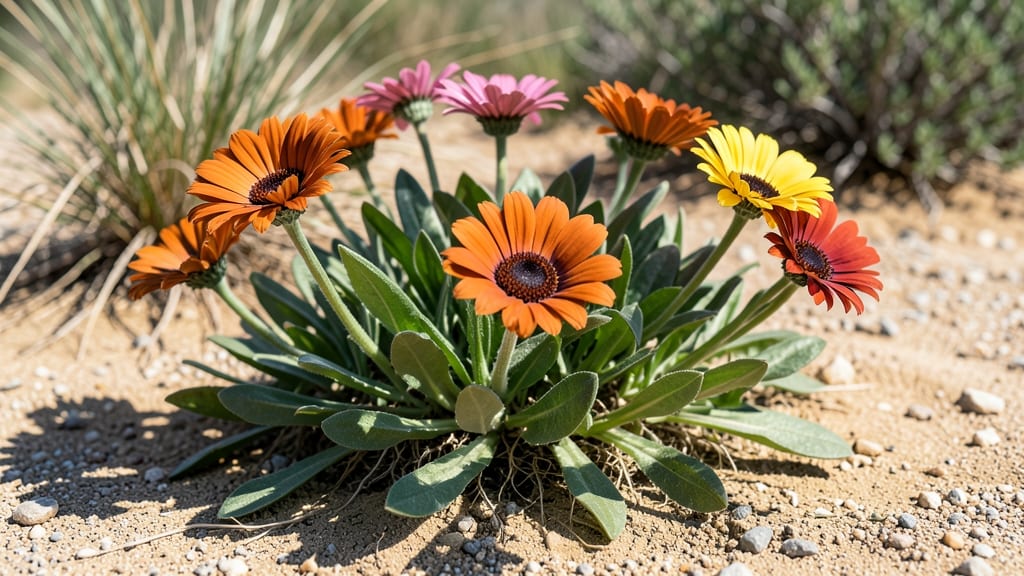
How to care for gazania plants will reward you with daily sunrise-like blooms that stay open all day—until they close at night like little golden fireworks. 🌻 I’ve grown them in dry, rocky soil where nothing else thrives, and they still put on a show. The secret? They’re basically desert survivors in disguise, needing almost no care once you get their basics right.
You’ll need full sun (at least 6 hours daily), well-draining soil (they hate soggy feet), and occasional water—think "damp sponge" not "swamp." Prune spent blooms to encourage more flowers, and in winter, let them go dormant like a natural hibernator.
No fuss, no guilt—just color that lasts even when you forget to water.
By summer’s end, you’ll have a self-sustaining display of orange, yellow, and red blooms that hummingbirds adore. The plants stay compact, spread slowly, and bounce back from drought like it’s nothing. Even my black-thumb neighbors have asked for cuttings after seeing mine thrive.
Works in containers, borders, or rocky slopes—anywhere with decent sun. Here’s how to keep them blooming season after season without the usual garden drama.
📚 In This Guide
- What you need
- Instructions
- Tips and common mistakes
- Wrapping up and next steps
What you need
- ● Gazania plants: Start with healthy nursery-grown gazanias (6-12 plants for a small garden bed) or seeds (if sowing from scratch).
- ● Well-draining potting mix or garden soil: 10-20 lbs (for containers) or enrich your garden bed with compost (1-2 lbs per square foot).
- ○ Containers (optional): 6-12 inch pots with drainage holes (1-2 plants per pot) or a raised garden bed.
- ● Watering can or hose with a gentle spray nozzle: For deep but infrequent watering.
- ● Pruning shears or clean scissors: To trim dead blooms and encourage new growth.
- ○ Slow-release fertilizer (optional): 10-10-10 or a balanced organic fertilizer (like fish emulsion) for a boost.
- ○ Mulch (optional): 1-2 inches of straw or gravel to retain moisture and suppress weeds.
- ● Sunlight access: A spot with 6+ hours of full sun daily (gazanias are sun-worshippers!).
- ● Drought tolerance: Gazanias hate soggy roots—ensure excess water drains away quickly!
- ● Deadheading: Snip spent blooms to encourage more flowers (and keep your garden tidy).
- ○ Cold protection (optional): In chilly climates, move potted gazanias indoors or use frost cloth for winter.
Step-by-step instructions for growing gazania plants
Gazanias thrive with minimal fuss—here’s how to keep them blooming like clockwork.
🌱 Step 1: Plant in Well-Draining Soil with Full Sun Exposure
Choose a location with 6+ hours of direct sunlight daily. Gazanias despise soggy roots, so amend heavy soil with sand or perlite to improve drainage. I dig a hole twice as wide as the root ball but only as deep—planting too deep suffocates the crown and invites rot.
Space plants 12-18 inches apart to allow airflow and prevent fungal issues. If planting in containers, ensure pots have drainage holes and use a cactus/succulent mix. The key is replication of their native arid conditions—dry, sandy, and sun-drenched.
💧 Step 2: Water Deeply but Infrequently
Water gazanias only when the top 2 inches of soil feel completely dry. This usually means once every 5-7 days in hot climates, but adjust based on rainfall. I use a soaker hose to deliver water directly to the roots, avoiding wet foliage which promotes mildew.
Never let them sit in standing water. The secret to their drought resistance is deep watering that encourages strong root systems—think of it as teaching them to drink deeply rather than sip constantly. Yellowing leaves signal overwatering, while crispy edges mean it’s time to hydrate.
☀️ Step 3: Deadhead and Fertilize Sparingly
Pinch or cut off spent blooms daily during peak season to encourage continuous flowering. Gazanias are prolific but need this nudge to keep producing. I use clean, sharp scissors to snip just above the next set of leaves—this prevents disease and keeps stems sturdy.
Feed only once monthly during active growth with a low-nitrogen, high-phosphorus fertilizer (like 5-10-10). Too much nitrogen produces lush leaves at the expense of flowers. I swear by a slow-release granular fertilizer worked into the soil at planting time for steady nourishment.
✂️ Step 4: Prepare for Winter Dormancy
When nighttime temperatures drop below 50°F, gazanias go dormant. Cut back foliage to 2 inches above ground level and reduce watering to every 3-4 weeks. Mulch lightly with ½ inch of straw to protect roots from freezing but allow airflow.
In colder zones, dig up tubers and store them in dry peat moss at 50-60°F until spring. I mark the containers with the variety and date to avoid confusion when replanting. With proper dormancy care, these plants return stronger than ever the following season.
🌿 Step 5: Propagate and Expand Your Collection
Divide mature plants in early spring when new growth appears. Simply lift the plant, separate the tubers, and replant sections 12 inches apart. Each tuber produces multiple stems, so you’ll get instant propagation. I’ve turned a single plant into dozens this way over the years.
Save seeds from your best blooms by allowing a few flowers to mature fully. The papery seed heads are easy to collect and store. Gazanias self-seed readily in warm climates, often popping up in unexpected spots—just dig up the extras to share with friends.
Tips & tricks for perfect gazania plant care
Took me years of trial and error to master these sun-loving beauties—here’s what actually works.
Soil Science: Gazanias hate wet feet, so if your native soil is heavy clay, mix in 50% sand or perlite by volume before planting. I’ve seen them thrive in containers with a cactus/succulent mix—just ensure those drainage holes aren’t plugged! Test your soil’s moisture retention by squeezing a handful: if it holds together like a damp sponge, amend it. The goal is to mimic their desert origins where water drains away quickly.
Sunlight Strategy: That 6+ hours of direct sun isn’t negotiable—these plants wilt in shade. If your garden gets afternoon shade, place them where they’ll catch morning sun instead. I’ve noticed varieties like 'Tango' handle partial shade better than 'Prince of Wales,' but all will reward you with more blooms when given full sun. Watch for leaves turning pale green—this is your plant begging for more light.
Watering Wisdom: The top 2 inches dry test is foolproof, but here’s the secret: water deeply enough that moisture reaches 6 inches down in the soil. This encourages deep root growth. I use a screwdriver to check moisture—if it comes out clean, it’s time to water. Morning watering prevents fungal issues from evening dampness, and always water at the base to keep those delicate petals dry.
Fertilizer Finesse: That once-monthly, low-nitrogen feed is non-negotiable during growing season, but here’s what nobody tells you: stop fertilizing when buds form. Too much nitrogen at this stage will send energy to leaves instead of flowers. I switch to a fish emulsion (5-1-1 ratio) for a gentle bloom boost, but only when I see new growth appearing. Over-fertilizing is the #1 reason gazanias produce foliage instead of flowers.
Pro Tips for Care For Gazania Plants
- Took me years of trial and error to master these sun-loving beauties—here’s what actually works.
- Soil Science: Gazanias hate wet feet, so if your native soil is heavy clay, mix in 50% sand or perlite by volume befo...
- Sunlight Strategy: That 6+ hours of direct sun isn’t negotiable—these plants wilt in shade. If your garden gets after...
Frequently asked questions
How often should I water gazania plants?
Water gazanias deeply but infrequently—about once a week (or less in hot climates) once established. They’re drought-tolerant! Let the soil dry out between waterings to prevent root rot. Mulch lightly to retain moisture without smothering the plant.
Can gazanias survive winter?
In USDA Zones 8-11, gazanias thrive year-round. In colder zones (below Zone 8), treat them as annuals or dig up tubers to replant next spring. If frost hits, cover with mulch or a frost cloth to protect them temporarily.
Why are my gazania leaves turning yellow?
Yellow leaves usually mean overwatering or poor drainage. Let soil dry completely between waterings, and ensure pots/containers have drainage holes. Check for pests (like aphids) too—spray with neem oil if needed.
How do I propagate gazanias from cuttings?
Snip a healthy stem just below a leaf node, remove lower leaves, and dip in rooting hormone. Plant in moist potting mix, cover with a plastic bag (to retain humidity), and keep in bright, indirect light. Roots form in 2-4 weeks!
What plants pair well with gazanias?
Gazanias love sun-loving companions like sedum, lantana, or salvia. Avoid shade-loving plants—they’ll compete for light. For a pollinator-friendly garden, pair with marigolds or zinnias.
Do gazanias close at night?
Yes! Gazanias close their blooms in the evening or on cloudy days to conserve moisture—a natural survival trick. Don’t worry; they’ll reopen when sunlight returns. It’s totally normal!
Wrapping up and next steps
Caring for gazania plants is all about embracing their low-maintenance charm while giving them just the right touch of attention.
With the right sunlight, soil, and watering routine, you’ll enjoy vibrant blooms that thrive even in dry spells. 🌞 Don’t forget to deadhead spent flowers and protect them from harsh winters to keep your garden bursting with color year after year!
Ready to put your new gazania knowledge to work? Start by planting one today—or share your tips with fellow gardeners! Whether you’re a beginner or a seasoned pro, these drought-resistant beauties will reward you with effortless elegance. Happy gardening! 🌸