
Planting
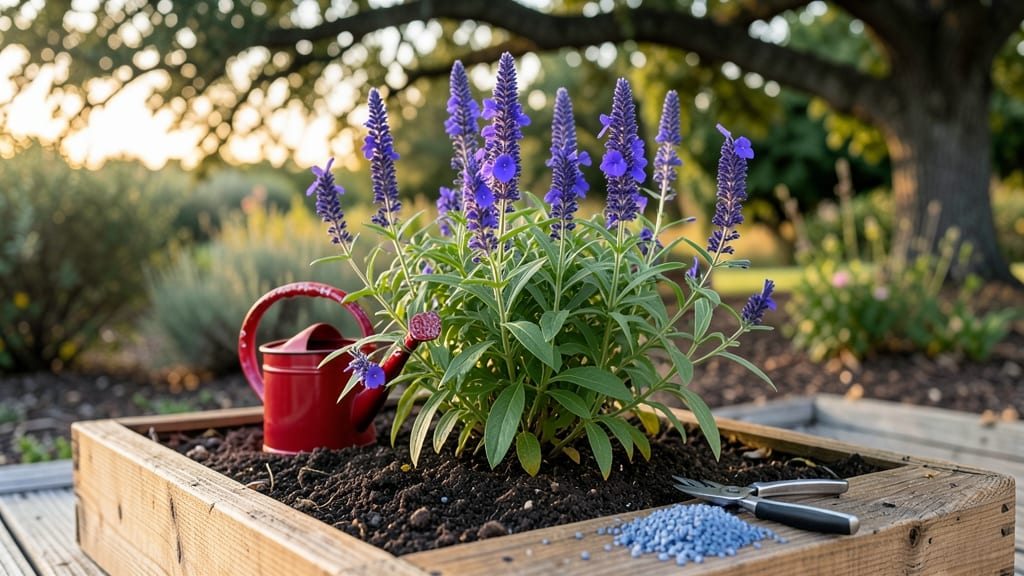
Caring for angelonia plants unlocks summer-long color that outlasts most annuals. 🌿 I’ve grown these heat-loving beauties for years, and their secret isn’t complicated—it’s consistency. They thrive where others fade, giving you bold purple, pink, or white spikes from June until frost.
The key starts with full sun (at least 6 hours daily) and well-draining soil—no soggy roots allowed. Water when the top inch feels dry, but don’t drown them; angelonia hates wet feet. A light feeding with balanced fertilizer every 4-6 weeks keeps those blooms coming nonstop.
Pruning isn’t just about looks—it’s about longer blooming. Snip back leggy stems after each flush of flowers, and you’ll trigger fresh growth. Deadheading spent blooms extends the show until winter’s first chill. Perfect for borders, containers, or cutting gardens.
Here’s how to keep yours thriving all season long—no green thumb required!
📚 In This Guide
- What you need
- Instructions
- Tips and common mistakes
- Wrapping up and next steps
What you need
- ● Angelonia plants: Start with healthy seedlings or cuttings (2–6 plants, depending on desired spacing).
- ○ Well-draining potting mix: A blend of peat moss, perlite, and compost (ratio: 40% peat, 30% perlite, 30% compost). Optional: Add 1 tbsp of slow-release fertilizer (10-10-10 NPK) per gallon of mix.
- ● Containers or garden bed: Containers: 6–12-inch pots with drainage holes (1 pot per plant).
- ● Garden beds: Full sun exposure (6+ hours/day) and loose, well-draining soil.
- ● Watering can or hose with a gentle nozzle: Avoid overwatering—aim for 1–1.5 inches of water per week (adjust for climate).
- ● Pruning shears: Sharp, clean shears (sterilize with rubbing alcohol between cuts).
- ● Gloves: Lightweight gardening gloves to protect hands from thorns (some varieties have mild prickles).
- ○ pH test kit (optional): To check soil pH (ideal range: 6.0–7.0).
- ● Balanced liquid fertilizer (5-5-5 or 10-10-10): 1 tbsp per gallon of water, applied every 4–6 weeks during growing season.
- ● A sunny spot (angelonia loves full sun!).
- ● Patience for deadheading (pinch spent blooms to encourage new flowers).
- ● Knowledge of hardiness zones 9–11 (angelonia is annual in cooler climates but can be overwintered indoors).
Step-by-step instructions for angelonia plant care
Here's how I keep my angelonia blooming all summer with minimal fuss—just follow these easy steps.
💧 Step 1: Water Deeply but Infrequently
Angelonia thrives on consistent moisture but hates soggy roots. Water when the top 1-2 inches of soil feel dry—usually 2-3 times per week in summer, less in cooler months. I use my finger to check soil depth; if it's damp, wait another day. Overwatering causes root rot, while underwatering makes leaves crisp.
Water at the base of the plant in the morning to prevent fungal issues. Avoid wetting the foliage—this keeps flowers clean and reduces disease risk. A 5-gallon watering can with a narrow spout makes this easy without splashing.
☀️ Step 2: Provide Bright, Filtered Sunlight
Angelonia loves full sun to partial shade—at least 6 hours of direct light daily. I place mine in a south-facing window or on a patio with morning sun and afternoon shade. Too much harsh afternoon sun can scorch the delicate blooms, while too little light results in leggy growth and sparse flowers.
Watch for leaves curling or yellowing—this signals too much sun. If stems stretch excessively toward light, move the plant 2-3 feet closer to a brighter spot. A sheer curtain helps filter intense midday rays during summer heatwaves.
✂️ Step 3: Prune Regularly for Bushier Growth
Pinch back the top set of leaves when the plant is 6-8 inches tall to encourage branching. This simple step prevents tall, spindly stems and triggers more flower buds. Use clean, sharp pruning shears and cut just above a leaf node—never tear the stems.
After the first flush of blooms fades, trim back one-third of the plant to promote a second round of flowers. Deadhead spent blooms weekly by snipping stems ¼ inch above a leaf pair. This redirecting energy keeps angelonia flowering until frost in warm climates.
🌿 Step 4: Feed Monthly for Vibrant Blooms
Use a balanced liquid fertilizer (10-10-10 or 20-20-20) every 4-6 weeks during the growing season. I dilute it to half-strength to avoid burning roots. Fertilize in the morning after watering so nutrients soak directly into the soil.
Stop fertilizing in late summer to encourage hardiness before cooler weather. Yellow leaves often mean over-fertilizing—flush the soil with water if this happens. Organic options like fish emulsion work well too, but follow package rates carefully.
🪴 Step 5: Overwinter Care for Next Year
If growing angelonia as an annual, no winter prep is needed—just enjoy the show while it lasts. For perennial care in zones 9-11, cut back stems to 2-3 inches after frost. Mulch with 2-3 inches of shredded bark to insulate roots through winter.
Bring container-grown angelonia indoors before temperatures drop below 40°F. Place it in a bright, cool spot (50-60°F) and reduce watering to once every 2-3 weeks. Resume normal care in spring when new growth appears.
Tips & tricks for perfect angelonia plant care
Took me years to figure out these simple secrets that keep my angelonia thriving—here's what nobody tells you.
Soil Check Secret: Stick your finger 1-2 inches deep into the soil before watering—if it feels damp, wait another day. I've ruined plants by overwatering, but this simple check prevents root rot while keeping the soil consistently moist. Use a moisture meter for extra precision, especially in humid climates where soil stays damp longer.
Sunlight Strategy: That 6 hours of sunlight should be spread throughout the day, not all at once. Morning sun is gentler, while afternoon sun can scorch delicate blooms. If your angelonia starts stretching toward light, it's begging for more brightness—move it 2-3 feet closer to your light source. A sheer curtain works wonders during intense midday sun.
Pruning Pro Tip: When you're pinching back those 6-8 inch tall stems, look for the top set of leaves—this is where new growth will sprout. Cut just above a leaf node (where leaves attach to the stem) using clean shears. I sterilize my tools with rubbing alcohol between cuts to prevent spreading disease from old growth to fresh cuts.
Fertilizer Timing: The 4-6 week feeding schedule is perfect, but timing matters just as much as frequency. Always fertilize in the morning after watering—this prevents root burn. I mix my fertilizer with water in a spray bottle for even distribution, and I never fertilize after late summer to let the plant harden off for winter.
Pro Tips for Care For Angelonia Plant
- Took me years to figure out these simple secrets that keep my angelonia thriving—here's what nobody tells you.
- Soil Check Secret: Stick your finger 1-2 inches deep into the soil before watering—if it feels damp, wait another day.
- Sunlight Strategy: That 6 hours of sunlight should be spread throughout the day, not all at once.
Frequently asked questions
Got questions about angelonia care?
You’re not alone! Here are answers to the most common concerns—from pruning to pests—to keep your plants thriving all season.
How much sunlight does angelonia need daily?
Angelonia thrives in full sun (6–8+ hours daily). While it tolerates partial shade, too little light leads to leggy growth and fewer blooms. Place it in a spot with morning sun + afternoon shade if your climate is scorching. Watch for wilting—if leaves crisp, it’s getting too much heat without hydration.
Why are my angelonia leaves turning yellow?
Yellow leaves usually signal overwatering or poor drainage. Let the top 1–2 inches of soil dry out between waterings. If roots smell sour or soil stays soggy, repot in well-draining mix (add perlite or sand). Brown tips? That’s often underwatering or hard water buildup—flush soil monthly with rainwater.
When should I prune angelonia for more blooms?
Prune after the first flush of flowers (spring) and again in midsummer to encourage bushier growth. Cut back 1/3 of the plant to just above a leaf node. Deadhead spent blooms weekly to redirect energy into new flowers. Pro tip: Prune in the morning—plants recover faster with daylight.
What pests commonly attack angelonia, and how do I treat them?
Watch for aphids, spider mites, or whiteflies, which thrive in dry conditions. Blast off pests with a strong stream of water, then apply neem oil or insecticidal soap. For severe infestations, repeat every 5–7 days. Prevent pests by keeping leaves dry (water at the base) and mulching to retain moisture.
Can I grow angelonia in containers, and what’s the best soil mix?
Yes! Angelonia loves containers—just ensure pots have drainage holes. Use a light, airy mix: 60% potting soil + 30% perlite + 10% compost. Add a slow-release fertilizer at planting for a nutrient boost. Container hack: Elevate pots to improve airflow and reduce root rot risk.
Is angelonia frost-tolerant, or should I bring it inside?
Angelonia is tender perennials—they die back in temps below 30°F (-1°C). In cold climates, dig up plants, trim, and pot them before the first frost. Overwinter indoors in bright light (a sunny window or grow lights) and reduce watering. Spring tip: Wait to replant until night temps stay above 50°F (10°C).
Wrapping up and next steps
Caring for your angelonia plant is all about balancing the right conditions—sunlight, well-draining soil, and gentle pruning—to keep it thriving and blooming beautifully.
With these simple yet effective tips, you’ll enjoy vibrant flowers all season long! 🌸 Now that you’re armed with the know-how, why not share your newfound expertise with fellow plant lovers or even experiment with different varieties to expand your garden collection?