
Pruning
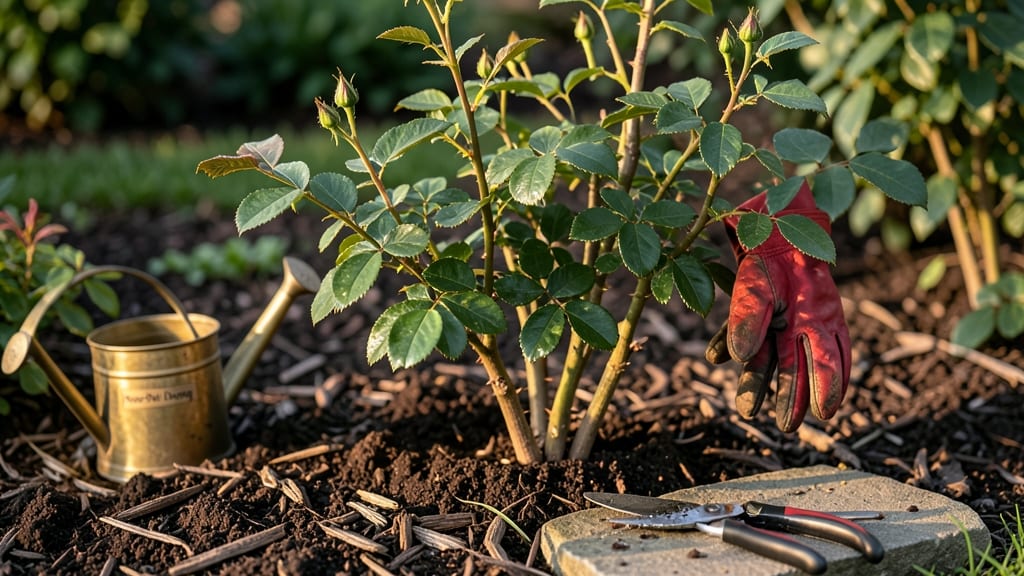
Here’s how to bring back a dead rose bush—it’s not dead, just dormant, and with the right care, it can bloom again stronger than ever. 🌱 I've revived more "dead" roses than I've lost, and the secret starts with a sharp pair of pruners and a closer look at what's really happening underground.
Most "dead" roses aren't actually dead—they're suffering from root rot, over-pruning, or poor soil. Look for green shoots near the base or buds that haven't opened yet.
These are your first signs of life. The root pruning trick forces the plant to focus energy on new growth rather than struggling roots.
Within 3-4 weeks, you'll see fresh green leaves pushing through the old wood, and by summer, that same bush could be covered in blooms. The key is patience and giving it exactly what it needs—no more, no less.
This method works for hybrid teas, floribundas, and even old garden roses that have seen better days. Let's get those canes cutting and roots healing—your roses will thank you next season.
Root Causes of Rose Bush Decline
Seeing your once-vibrant rose bush wilt into a lifeless skeleton can feel like a heartbreak—especially when you’re unsure why it happened. Roses are resilient, but they’re also sensitive to their environment, care habits, and hidden stressors.
Understanding the real reasons behind your rose bush’s decline is the first step to reviving it. Below, we break down the most common culprits, explained in simple, actionable terms so you can diagnose (and fix!) the problem.
Roses hate soggy feet—literally. Overwatering is one of the fastest ways to suffocate a rose bush’s roots. When soil stays waterlogged for too long, oxygen can’t reach the roots, leading to root rot (a fungal infection that gums up root cells).
This cuts off the plant’s ability to absorb water and nutrients, causing leaves to yellow, stems to weaken, and eventually, death.
But how does this happen? Even well-meaning gardeners can overdo it by:
- Watering on a schedule instead of checking soil moisture. Roses need consistent moisture, not a daily drink.
- Planting in heavy clay or compacted soil that doesn’t drain well. Water pools around roots instead of seeping away.
- Ignoring mulch depth. Too much mulch (over 2–3 inches) can smother roots and trap moisture.
💡 Pro Tip: Stick your finger 2 inches into the soil—if it’s damp, wait before watering. If your soil is clay-heavy, amend it with compost or sand to improve drainage.
Roses are tough, but they have limits. Freezing winters or scorching summers can shock a rose bush into dormancy—or worse, kill it outright. Cold damage often starts with blackened canes or brittle stems, while heat stress causes wilting, curled leaves, and stunted growth.
Here’s how it breaks down:
| Cold Stress | Heat Stress |
|---|---|
| Frost cracks canes, disrupting water flow. Winter dieback occurs when buds freeze before opening. | Heat dries out soil faster than roots can absorb water, leading to transpiration stress (when leaves lose more water than they take in). |
| Solution: Mulch heavily (4–6 inches) with straw or wood chips to insulate roots. | Solution: Water deeply in the morning to reduce evaporation and provide afternoon shade during heatwaves. |
✨ Key Insight: Some rose varieties (like Knock Out® roses) are more cold-hardy, while others (like Hybrid Teas) need winter protection. Check your rose’s hardiness zone!
Not all threats are visible above ground. Some of the most damaging problems start below the soil line, where pests and pathogens feast on roots unseen. Here’s what’s likely gnawing away at your rose:
- Root-knot nematodes: Microscopic worms that create galls (lumpy growths) on roots, blocking nutrient uptake. Infected roots turn brown and mushy.
- Japanese beetles or grubs: Larvae chew through roots, while adult beetles skeletonize leaves, weakening the plant’s energy reserves.
- Fungal infections (Phytophthora, Armillaria): These cause root rot or white root disease, turning roots black and slimy.
🔥 Red Flag: If you dig up a root and it smells rotten or looks spongy, disease is likely the culprit. Pests may leave behind frass (chewed leaf debris) or visible burrows.
💡 Fix It: For nematodes, apply neem oil or plant marigolds nearby (they repel pests). For fungal issues, improve drainage and avoid overhead watering.
Roses are heavy feeders—they demand a steady supply of nitrogen, phosphorus, and potassium to thrive. When soil lacks these nutrients, your bush may show dramatic symptoms:
| Symptom | Likely Cause | Quick Fix |
|---|---|---|
| Yellow leaves (especially older ones) | Nitrogen deficiency | Apply a balanced fertilizer (10-10-10) or compost. |
| Purple or red stems/leaves | Phosphorus deficiency (struggling to flower) | Use bone meal or a phosphorus-rich fertilizer. |
| Weak, spindly growth | Potassium deficiency (poor root health) | Add wood ash or a potassium sulfate supplement. |
| Chlorotic (yellow with green veins) leaves | Iron or magnesium deficiency (common in alkaline soil) | Apply chelated iron or Epsom salt (magnesium sulfate). |
🌡️ Soil Test Tip: Before fertilizing, test your soil’s pH (roses prefer 6.0–6.5). Amend with sulfur to lower pH or lime to raise it if needed.
Pruning is a double-edged sword. Done wrong, it can stress a rose bush into decline. Common pruning mistakes include:
- Cutting too late in the season (after new growth starts), which removes energy reserves.
- Leaving stubs (more than ¼ inch) that invite disease.
- Over-pruning (removing more than ⅓ of the bush at once), which stunts recovery.
- Physical trauma from lawnmowers, string trimmers, or pets digging near the base.
Result? Stunted growth, weak canes, and susceptibility to disease because the plant’s energy is diverted to healing instead of flowering.
🔪 Pruning Rule: Always prune in early spring (before buds swell) and use clean, sharp shears. If you’ve over-pruned, pause and let the bush recover before resuming.
Reviving Your Rose Bush Step-by-Step
Your rose bush might look like it’s beyond saving, but with the right approach, you can coax it back to life—even if it’s just starting to show signs of decline. Below are practical, cause-specific solutions to diagnose and fix the issue, plus tips to keep your roses thriving long-term.
Before diving into fixes, determine what’s wrong. Check for:
- Wilted or brown stems (overwatering, root rot, or disease)
- Yellowing leaves (underwatering, nutrient deficiency, or pests)
- No new growth (poor pruning, lack of sunlight, or winter damage)
- Blackened or mushy roots (root rot—this is an emergency!)
> 💡 Pro Tip: Gently dig around the base (1–2 inches deep) to inspect roots. Healthy roots are firm and white; rotten ones are dark, slimy, and smell foul.
🚨 Root Rot or Overwatering
Signs: Mushy, discolored stems; foul-smelling soil; wilting despite water. Solution:
- Stop watering immediately—let the soil dry out completely.
- Trim affected stems with clean, sharp pruners (cut ½ inch above a healthy bud).
- Repot or replace soil if rot is severe: - Remove the bush and rinse roots in water to wash away infected soil. - Repot in fresh, well-draining soil (mix in perlite or sand).
- Improve drainage by elevating the pot or adding gravel to the bottom.
> ✨ Prevention: Water only when the top 1–2 inches of soil are dry. Use pots with drainage holes!
☀️ Lack of Sunlight or Poor Location
Signs: Leggy stems, sparse leaves, or no blooms despite regular care. Solution: 1. Move the bush to a spot with 6–8 hours of direct sunlight daily.
- Prune back overgrown branches to encourage bushier growth.
- Fertilize lightly with a balanced rose fertilizer (10-10-10) to boost recovery.
> 🌡️ Quick Fix: If repotting isn’t an option, place the bush in a sunny windowsill or use a grow light for 12+ hours/day.
🍃 Nutrient Deficiency or Poor Soil
Signs: Pale yellow leaves, slow growth, or weak stems. Solution: 1. Test your soil (a DIY kit from a garden center works).
- Amend the soil with: - Compost (for organic matter) - Bone meal (for phosphorus, which aids root growth) - Epsom salt (1 tbsp per gallon of water, monthly for magnesium)
- Fertilize in stages: - Early spring: High-nitrogen (for foliage) - Blooming season: High-phosphorus (for flowers)
> 💪 Boost Recovery: Water deeply after fertilizing to prevent root burn.
✂️ Over-Pruning or Wrong Technique
Signs: No new growth, bare stems, or excessive dieback. Solution: 1. Prune correctly (if you haven’t already):
- Cut back dead or diseased wood to the base.
- Trim healthy stems to ½ their height (just above a 5-leaflet bud).
- Encourage new growth with: - A light layer of mulch (2–3 inches) to retain moisture. - Regular watering (deep but infrequent).
- Wait and observe—new shoots should appear in 2–4 weeks.
> 🎯 Pro Tip: Prune in early spring (just as buds swell) for best results.
🐛 Pests or Disease
Signs: Holes in leaves, sticky residue (aphids), black spots (fungus), or sawdust-like frass (sawfly larvae). Solution: 1. Identify the pest/disease (check local extension service guides).
- Treat immediately: - Pests: Spray with neem oil or insecticidal soap (follow label instructions). - Fungal issues: Apply copper fungicide or baking soda spray (1 tsp baking soda + 1 quart water + a drop of soap).
- Remove severely infected parts with pruners and dispose of them (don’t compost!).
> 🔥 Prevention: Space plants for airflow, avoid overhead watering, and inspect leaves weekly.
❄️ Winter Damage or Shock
Signs: Crispy, blackened stems; delayed spring growth. Solution: 1. Prune dead wood in late winter (after the last frost).
- Protect from cold snaps: - Wrap the bush in burlap or use a rose cone for insulation. - Mulch heavily (4–6 inches) around the base.
- Stimulate growth in spring with: - A balanced fertilizer (like 5-5-5). - Root pruning (see article title for the trick!).
> ✨ Quick Revival: Soak the roots in lukewarm water + a handful of Epsom salt for 10 minutes to jumpstart growth.
Once your rose bush is back on track, prevent future decline with these habits:
- Water deeply but less often (1–2 times per week, depending on climate).
- Prune regularly (3 times a year: early spring, summer after blooms, and late fall).
- Monitor for pests—catch them early!
- Rotate fertilizers to avoid nutrient imbalances.
- Mulch annually to protect roots and retain moisture.
🔥 Ready to revive? Start with the most likely cause, act fast, and give your rose bush the care it deserves. With patience, even the most "dead" roses can bloom again!
Frequently asked questions
How do I tell if my rose bush is truly dead or just dormant?
Check for green shoots near the base or buds that haven't opened yet—these are signs of life! Even if most of the stems look dead, roots may still be alive. Gently scratch the bark on a few canes: if it's green underneath, the bush can recover with proper care.
Can I save a rose bush with blackened stems?
Yes, but you'll need to act fast. Cut back all blackened stems to healthy green wood (about ¼ inch above a bud). If the roots are still firm and white, the bush can regrow. For severe cases, try the root pruning trick—trim about ⅓ of the roots to force new growth.
What's the best time of year to revive a struggling rose bush?
Early spring (just as buds begin to swell) is ideal for revival efforts. This gives the bush 6-8 weeks of growing season to recover before summer heat. Avoid pruning or fertilizing in late summer—it stresses the plant before winter dormancy.
How often should I water a revived rose bush?
Water deeply 1-2 times per week, depending on your climate. The key is consistent moisture—never let the soil dry out completely, but avoid soggy conditions. Stick your finger 2 inches into the soil: if it's dry, it's time to water.
Will my rose bush ever bloom again after revival?
With proper care, most revived rose bushes will bloom within 2-3 months of new growth. Focus on healthy stems first—once you see 5-6 new leaves on a cane, it's ready to produce buds. Fertilize lightly with phosphorus-rich food to encourage flowering.