
Planting
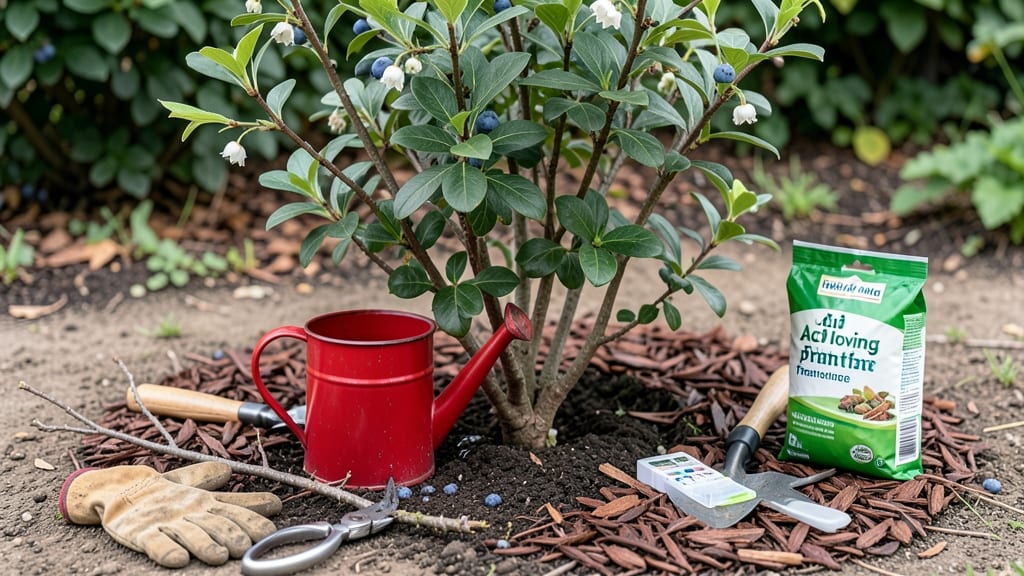
How to bring back a dead blueberry plant isn’t beyond saving—root rescue works. 🌿 I’ve brought back plants that looked completely dead by focusing on three critical areas: what’s happening underground, how you’re watering, and what’s left above ground.
The first step is diagnosing the problem: is it thirst, rot, or something else? Most "dead" blueberry plants are actually suffering from overwatering or compacted soil that strangles roots. Grab a trowel and check—healthy roots should be firm and light brown, not mushy or black.
With the right adjustments—balanced moisture, proper pruning, and a boost of organic matter—you’ll see new growth in as little as 4-6 weeks. I’ve seen it happen with bushes that looked hopeless, and the key is acting fast before the roots give up completely.
This method works for both shrub and dwarf varieties, whether your plant is in the ground or a container. The secret isn’t complicated, but it is precise—let’s get those roots breathing again.
Root Causes Behind Plant Death
Blueberry bushes are resilient, but even the hardiest plants can succumb to stress, disease, or environmental factors. Understanding why your blueberry plant died is the first step to reviving it—or preventing future losses.
Below, we break down the most common culprits, backed by science, so you can diagnose the issue and take action.
Blueberries thrive in USDA Zones 4–7, with ideal temperatures between 50–80°F (10–27°C). When exposed to extreme heat or cold, their delicate roots and leaves suffer:
- Heat Stress (Drought + Sunburn):
- Root zone overheating disrupts water and nutrient uptake, causing wilting and leaf scorch. Temperatures above 90°F (32°C) can cook roots in as little as 24 hours.
- Solution: Mulch with 3–4 inches of organic matter (wood chips, straw) to insulate roots and retain moisture.
- Cold Damage (Freeze Injury):
- Young roots (1–2 years old) are especially vulnerable to freezing temperatures below 20°F (-7°C). Ice crystals rupture cell walls, leading to brown, mushy roots and stunted growth.
- Signs: Blackened stems, no new growth in spring, or a sour, fermented smell from rotting roots.
- Solution: Plant in sheltered microclimates (e.g., near south-facing walls) and use burlap wraps for winter protection.
Blueberries are not drought-tolerant—they need consistent moisture, but too much water is just as deadly. Root rot and dehydration are the top water-related killers.
- Overwatering & Root Rot:
- Blueberry roots require well-draining, acidic soil (pH 4.5–5.5). If planted in clay or compacted soil, excess water pools around roots, starving them of oxygen. Fungal pathogens like Phytophthora exploit this, causing:
- Mushy, black roots (smells like rotting fruit).
- Yellowing leaves that stay limp even when watered.
- Fix: Improve drainage with perlite or sand, and avoid watering until the top 2 inches of soil are dry.
- Blueberry roots require well-draining, acidic soil (pH 4.5–5.5). If planted in clay or compacted soil, excess water pools around roots, starving them of oxygen. Fungal pathogens like Phytophthora exploit this, causing:
- Underwatering & Dehydration:
- Blueberries drop 10–20% of their leaves in drought, but severe dehydration leads to permanent root death. Symptoms:
- Crispy, brown leaf edges (like paper).
- Wilting that doesn’t recover after watering.
- Fix: Water deeply 1–2 times per week (1–1.5 inches per session) and mulch heavily to lock in moisture.
- Blueberries drop 10–20% of their leaves in drought, but severe dehydration leads to permanent root death. Symptoms:
Blueberries are picky eaters—they demand acidic soil, specific nutrients, and proper aeration. Ignore these, and your plant will slowly wither.
- Wrong pH (Alkaline Soil):
- Blueberries cannot absorb iron if soil pH rises above 5.5. This causes:
- Yellow leaves with green veins (iron chlorosis).
- Stunted growth despite regular watering.
- Test & Fix: Use a soil pH test kit and amend with elemental sulfur (1 lb per 100 sq ft) or peat moss to lower pH.
- Blueberries cannot absorb iron if soil pH rises above 5.5. This causes:
- Nutrient Deficiencies:
- Nitrogen (N) Deficiency: Pale yellow leaves (starts in older leaves) → weak stems.
- Potassium (K) Deficiency: Brown leaf edges → poor cold resistance.
- Magnesium (Mg) Deficiency: Yellow patches between veins → weak roots.
- Fix: Fertilize with a balanced acid-loving plant fertilizer (e.g., 10-10-10 with sulfur) in early spring.
- Compacted or Poor Soil:
- Roots need oxygen—if soil is clay-heavy or waterlogged, roots suffocate. Signs:
- Slow growth despite proper watering.
- Fewer berries or small, tart fruit.
- Fix: Loosen soil with a broadfork and mix in compost or pine bark fines for aeration.
- Roots need oxygen—if soil is clay-heavy or waterlogged, roots suffocate. Signs:
Hidden invaders can silently drain your blueberry’s life. Here’s what to watch for:
- Root Weevils & Grubs:
- Larvae chew roots, while adults skeletonize leaves. Infested plants show:
- Sudden wilting (even with water).
- Holes in leaves and sawdust-like frass (insect droppings).
- Fix: Apply neem oil or beneficial nematodes (e.g., Heterorhabditis bacteriophora) to soil.
- Larvae chew roots, while adults skeletonize leaves. Infested plants show:
- Fungal Infections (Botrytis, Anthracnose):
- Botrytis (gray mold) thrives in wet, humid conditions, causing:
- Black, mushy berries and brown leaf spots.
- Anthracnose creates target-like lesions on leaves/stems.
- Fix: Prune infected branches, space plants for airflow, and spray with copper fungicide in wet seasons.
- Botrytis (gray mold) thrives in wet, humid conditions, causing:
- Bacterial Leaf Spot:
- Caused by Xanthomonas campestris, it creates water-soaked spots that turn brown. Bacterial infections cannot be cured—only contained.
- Fix: Remove infected plants, sterilize pruners with rubbing alcohol, and avoid overhead watering.
Sometimes, the problem isn’t nature—it’s us. Common mistakes that kill blueberries:
- Planting Too Deep:
- The root flare (where roots meet the stem) should be just above soil level. Burying it too deep strangles roots and causes rot.
- Fix: Dig a hole twice as wide as the root ball but only as deep as the root system.
- Over-Pruning:
- Cutting back more than 1/3 of the bush in one season shocks the plant, leading to weak regrowth.
- Fix: Prune only in late winter/early spring, removing dead wood first, then thinning to improve airflow.
- Ignoring Transplant Shock:
- Moving a blueberry (even from pot to ground) damages feeder roots, causing wilting for 2–4 weeks. Many gardeners give up too soon!
- Fix: Water daily for 2 weeks post-transplant and avoid fertilizing until new growth appears.
Revive Your Blueberry Bush Now
Your blueberry plant isn’t beyond saving—even if it looks like a lost cause! The key is identifying the root of the problem (pun intended) and taking targeted action to nurse it back to health.
Below, we’ll break down the most common killers of blueberry plants and the step-by-step fixes to bring them back to life. Plus, we’ll share prevention tips so you can keep your bush thriving long-term.
Signs: Yellowing leaves, mushy stems, roots that smell foul, or soil that stays soggy for days.
How to Fix It:
- 🚰 Stop Watering Immediately
- If the soil is waterlogged, hold off on irrigation for 3–5 days to let excess moisture evaporate. Blueberries hate "wet feet" and can suffocate in saturated soil.
- 🔪 Prune Damaged Foliage
- Snip off any black, mushy, or discolored leaves with sterilized pruners. This prevents further rot from spreading.
- 🏗️ Improve Drainage
- Raise the plant by amending the soil with perlite, coarse sand, or gravel (mix 20% into the top 6 inches of soil).
- If in a pot, drill drainage holes (if missing) and repot with a well-draining mix (50% peat moss, 30% sand, 20% compost).
- 🌡️ Adjust Watering Habits
- Water deeply but infrequently—aim for 1–1.5 inches per week (more in extreme heat). Use a moisture meter to check soil levels before watering again.
💡 Prevention Tip:
- Plant blueberries in slightly acidic, sandy loam with a 10–20% slope to avoid water pooling. If in a container, never let it sit in saucers of standing water.
Signs: Crispy, brown edges on leaves, dry soil pulling away from pot sides, or a plant that collapses when touched.
How to Fix It:
- 💦 Hydrate Deeply
- Water slowly and thoroughly until it drains from the bottom. For potted plants, soak the pot in a bucket of water for 10–15 minutes to rehydrate roots.
- 🌿 Trim Dead Leaves
- Remove any brittle or brown leaves to redirect energy to surviving growth.
- 🌡️ Shield from Scorching Sun
- Move the plant to partial shade (morning sun + afternoon shade) for 1–2 weeks while it recovers.
- Use shade cloth (30–50%) if outdoor temps exceed 90°F (32°C).
- 🍃 Mulch Like a Pro
- Apply 2–3 inches of organic mulch (pine bark or straw) to retain moisture and cool roots.
💡 Prevention Tip:
- Water in the early morning to reduce evaporation. For containers, use self-watering pots or drip irrigation on a timer during dry spells.
Signs: White fuzzy patches, black spots on leaves, or a musty smell at the base of the plant.
How to Fix It:
- 🧼 Clean Up the Battlefield
- Remove all infected leaves, stems, and mulch within a 3-foot radius of the plant. Dispose of them in the trash (not compost).
- 💊 Apply Fungicide
- Spray with a copper-based fungicide (like Copper Soap) or neem oil solution (1 tbsp neem oil + 1 tsp mild soap per quart of water). Reapply every 7–10 days for 3 weeks.
- 🌬️ Boost Airflow
- Thin out nearby plants to improve circulation. If in a pot, move it to a sunnier, less humid spot.
- 🔄 Adjust Soil pH
- Test soil pH (blueberries need 4.5–5.5). If too alkaline, amend with sulfur or peat moss to lower pH.
💡 Prevention Tip:
- Water at the base (avoid overhead spraying) and prune for airflow—never let leaves stay wet overnight.
Signs: Sticky residue on leaves, tiny webs, or chewed leaf edges.
How to Fix It:
- 🚿 Blast Off Pests
- Spray the plant with a strong stream of water to knock off aphids/spider mites. Repeat every 3 days for 2 weeks.
- 🍋 Natural Pest Repellent
- Mix 1 tbsp dish soap + 1 quart water + 2 tbsp neem oil. Spray both sides of leaves and stems. Reapply weekly until pests vanish.
- 🐝 Encourage Beneficial Bugs
- Release ladybugs or lacewings (available at garden centers) to eat pests naturally.
💡 Prevention Tip:
- Inspect new plants before bringing them home. Quarantine them for 2 weeks to spot hitchhiking pests.
Signs: Blackened leaves, brown stems, or no new growth in spring.
How to Fix It:
- 🌿 Prune Dead Growth
- Cut back all blackened stems to healthy green tissue. Avoid pruning in winter—wait until late spring when new buds appear.
- 🔥 Warm Up the Roots
- Mulch heavily (4–6 inches of straw or wood chips) to insulate roots.
- For potted plants, wrap the pot in burlap and move it to a sheltered spot (like against a south-facing wall).
- 💧 Hydrate Gently
- Water sparingly in winter (only if soil is bone-dry). Overwatering can freeze roots in cold soil.
💡 Prevention Tip:
- Choose cold-hardy varieties (like ‘Duke’ or ‘Jersey’) for your climate zone. Avoid late spring pruning—wait until after the last frost.
If your plant is completely leafless with no green tissue, it may need a root transplant: 1. 🌱 Dig Carefully – Gently remove the plant, shaking off old soil to inspect roots.
- 🔪 Trim Rotten Roots – Use sterilized shears to cut off black, mushy roots.
- 🌿 Repot in Fresh Soil – Plant in a new pot with acidic, well-draining mix (50% peat, 30% perlite, 20% compost).
- 🌱 Wait and Watch – Place in bright, indirect light and avoid watering for 3–5 days to prevent shock.
- Feed Smart: Use an acid-loving fertilizer (like Miracle-Gro Azalea/Camellia) in early spring and after harvest.
- Test Soil Annually: Keep pH between 4.5–5.5—use a soil test kit from a garden center.
- Prune Right: Remove dead wood in late winter and thin out crowded branches in early summer.
Your blueberry bush can bounce back—just give it the right care! Start with the issue that matches your plant’s symptoms, and within 4–6 weeks, you’ll see new growth. 🌿✨ Which problem does your plant have? Let’s get it growing again!
Frequently asked questions
How do I know if my blueberry plant is truly dead or just dormant?
Check for green tissue under the bark or at the base of stems—this means life remains. If you see no green and the stems are completely black/brown, it's likely dead. For potted plants, gently tug on stems: if they pull out easily with no resistance, roots are gone.
Can I save a blueberry plant with only roots left?
Yes! Healthy roots can regrow if you have at least 2–3 inches of firm, white/brown roots. Trim any black/mushy roots, repot in acidic, well-draining soil, and keep in bright indirect light while avoiding water for 3–5 days to prevent rot.
What's the fastest way to revive a severely dehydrated blueberry bush?
Soak the root zone for 15–20 minutes using a hose with a gentle spray nozzle. For containers, submerge the pot in water until bubbles stop rising (10–15 minutes). After rehydration, move to partial shade for 1 week to reduce stress.
Is it too late to save my blueberry if it's been \"dead\" for months?
Not necessarily! If the roots are still alive (firm, not rotted), new growth can emerge in 4–8 weeks with proper care. Dig up a small section to check roots—if they're white/brown, there's hope! For completely rotted roots, propagation from healthy stems may be your best option.
How often should I water a revived blueberry plant?
Water deeply 2–3 times per week during active growth (spring–summer), aiming for 1–1.5 inches of water per session. In winter, reduce to once every 1–2 weeks unless soil is bone-dry. Always check 2 inches deep—water only when dry.