
How To
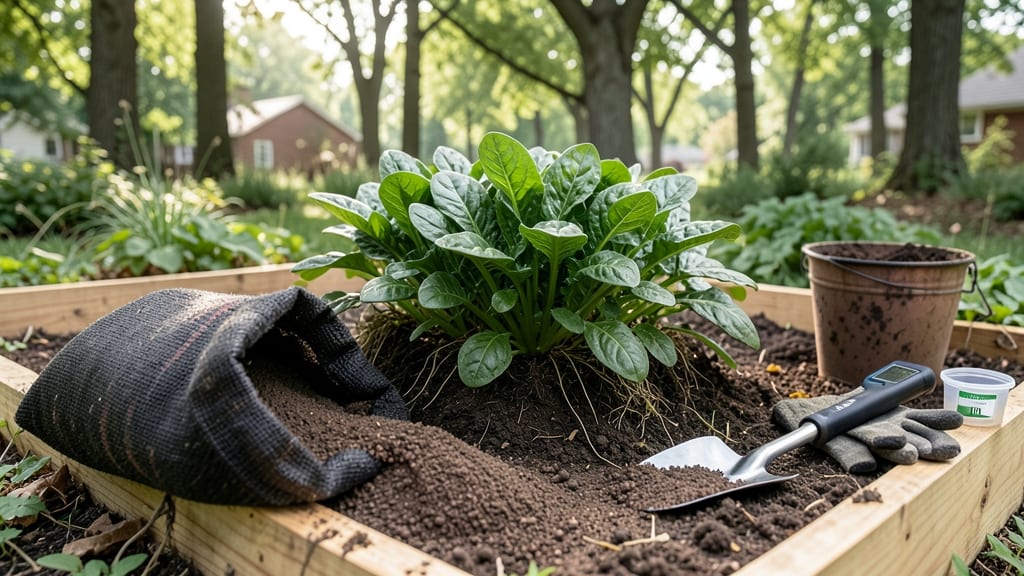
How to boost nitrogen in the soil is your fast track to lush, productive plants—no lab coat required. 🌱 I’ve turned struggling gardens into thriving ones with simple, science-backed fixes that work in weeks, not seasons. The secret isn’t complicated: it’s about feeding your soil the right way, whether you’re growing tomatoes, lawns, or just want greener grass.
Most gardeners overlook the easy fixes: composted manure, cover crops like clover, or even a handful of coffee grounds. These natural boosters release nitrogen slowly, feeding plants over time without burning roots. For quicker results, synthetic options like blood meal or ammonium sulfate deliver a fast jolt—but use them carefully.
The goal is balance: too much nitrogen means leafy growth at the expense of fruit or flowers.
You’ll spot nitrogen deficiency fast: older leaves turn pale yellow, stems get weak, and growth stalls. But within 2-4 weeks of amending your soil, you’ll see vibrant green leaves and plants that finally start reaching their potential.
The best part? These methods improve soil health long-term, so you’re not just fixing a problem—you’re building a foundation for years of easier gardening.
Works for vegetables, lawns, and even houseplants—just adjust the approach. For example, legumes like peas fix nitrogen naturally, while synthetic fertilizers give an instant punch. Here’s how to choose the right fix for your garden’s specific needs without overdoing it.
📚 In This Guide
- What you need
- Instructions
- Tips and common mistakes
- Wrapping up and next steps
What you need
- ● Organic Matter: Compost (2–4 inches spread per planting area) – homemade or store-bought
- ● Well-rotted manure (1–2 cups per square foot) – cow, horse, or chicken (aged at least 6 months)
- ● Grass clippings (fresh or dried, 1–2 inches thick) – avoid if treated with herbicides
- ● Nitrogen-Rich Fertilizers: Blood meal (1–2 tbsp per sq ft) – fast-acting, high in nitrogen (12-0-0)
- ● Fish emulsion (1–2 tbsp per gallon of water) – liquid, diluted for spraying
- ● Alfalfa meal (1–2 cups per 10 sq ft) – slow-release, also adds phosphorus
- ○ Cover Crops (Optional but Recommended): Seeds for clover, vetch, or peas (plant in fall or early spring)
- ● Garden fork or tiller (for mixing amendments into soil)
- ● Gloves (heavy-duty, for handling manure or sharp tools)
- ● Garden hose with spray nozzle (for liquid fertilizers)
- ● Rake or hoe (to spread organic matter evenly)
- ● Watering can (for diluting liquid amendments)
- ○ pH test kit (optional but helpful—ideal soil pH for nitrogen uptake: 6.0–7.0)
- ● Soil Test: Check your soil’s current nitrogen levels (kits available at garden centers).
- ● Weather Check: Aim for a mild, dry day to apply amendments (rain can wash them away).
- ● Timing: Best to amend soil in early spring or fall (avoid peak summer heat).
Step-by-Step instructions for boosting nitrogen in soil
Here's how I quickly raise soil nitrogen levels—no fancy tools needed.
🌱 Step 1: Test Your Soil First
Before adding anything, grab a small soil sample from 4-6 inches deep and do a simple nitrogen test. You can use a home test kit or send it to your local extension office. I’ve found that most gardeners overestimate their soil’s needs—my own tests showed my "fertile" soil was actually nitrogen-deficient. Look for dark green leaves as a sign of adequate nitrogen, while pale or yellowing leaves mean it’s time to act.
If you’re in a hurry, just check the soil color: dark brown or black usually means decent nitrogen, while light tan or gray signals a deficiency. This quick visual check saves time and prevents over-fertilizing, which can burn roots.
💧 Step 2: Add Organic Matter for Fast Release
Spread a 1-2 inch layer of compost or well-aged manure over the soil surface. I like to use a mix of both—compost for balanced nutrients and manure for that quick nitrogen punch. Work it into the top 3-4 inches of soil with a garden fork or tiller. This isn’t just about adding nitrogen; it’s about improving soil structure so roots can access what you’re adding.
For an even faster fix, sprinkle a ½ inch layer of coffee grounds (if you have them) over the soil and water it in. Coffee grounds break down quickly and release nitrogen as they decompose. Just don’t overdo it—too much can acidify the soil over time.
☀️ Step 3: Plant Nitrogen-Fixing Cover Crops
If you’re willing to wait a few weeks for a long-term boost, sow a cover crop like clover, vetch, or peas. These plants pull nitrogen from the air and deposit it into the soil as they grow. I plant mine in late summer so they have time to establish before winter, then till them under in early spring. This method is free, sustainable, and works best for garden beds you’re not using right now.
For an immediate fix, mix in a handful of fresh grass clippings or alfalfa meal into the top inch of soil. Both release nitrogen quickly as they break down. Just avoid using grass clippings treated with herbicides—those chemicals can harm your plants.
✂️ Step 4: Use a Fast-Acting Fertilizer
For a quick nitrogen boost, apply a balanced fertilizer with a higher first number (like 10-10-10 or 12-12-12) or a straight nitrogen source such as blood meal or fish emulsion. Follow the package instructions for application rates—overdoing it can harm plants. I like to mix fish emulsion with water and spray it directly on the soil around the base of plants. It smells strong at first, but the results are noticeable within a week.
Water the soil thoroughly after applying fertilizer to help it penetrate and prevent burning. If you’re using granular fertilizer, lightly scratch it into the top inch of soil rather than leaving it on the surface. This ensures it dissolves evenly and reaches the roots where it’s needed most.
🌿 Step 5: Monitor and Repeat as Needed
Watch your plants for signs of improvement—new growth should appear within 1-2 weeks if the nitrogen levels are rising. Keep an eye out for yellowing leaves, which can signal either too little or too much nitrogen. If leaves turn bright yellow and fall off, you’ve overdone it; if they stay pale, you may need to add more.
For ongoing nitrogen support, mulch with straw or wood chips. As they decompose, they slowly release nitrogen into the soil. I like to top-dress my garden beds with straw in early spring and again in fall—it’s a low-maintenance way to keep nitrogen levels steady without constant effort.
Tips & tricks for fast soil nitrogen boosts
Here's what nobody tells you about getting quick, reliable nitrogen results in your garden—without the guesswork.
Timing is Everything: Blood meal works fastest but needs immediate watering to prevent root burn. I keep a watering can right beside me when using it, and apply within 5 minutes of spreading. The ½-inch layer of composted manure in Step 1 should be worked in right away too—don't let it dry out before scratching it into the soil. This keeps nitrogen available for your plants to use immediately rather than getting locked up.
Visual Cues Matter: When monitoring your plants in Step 3, look for these specific signs of nitrogen response: leaves should develop a deeper green color (almost glossy) and new growth should appear within 1-2 weeks. If you see yellowing between veins (chlorosis), that's your signal to apply a lighter dose of nitrogen. I also check for faster growth—healthy nitrogen-fed plants grow about 10% quicker than normal.
Container Garden Hack: For potted plants, mix worm castings directly into the soil at planting time (about 1 cup per 5 gallons of soil). The slow-release nitrogen in worm castings gives container plants a steady supply without risking over-fertilization. This works especially well for tomatoes and peppers that need consistent feeding throughout their growing season.
Pro Tips for Boost Nitrogen In Soil
- Here's what nobody tells you about getting quick, reliable nitrogen results in your garden—without the guesswork.
- Timing is Everything: Blood meal works fastest but needs immediate watering to prevent root burn.
- Visual Cues Matter: When monitoring your plants in Step 3, look for these specific signs of nitrogen response: leaves should develop a deeper green color (almost glossy) and new growth should appear within 1-2 weeks.
Frequently asked questions
Got questions about boosting nitrogen in your soil?
You’re not alone! Here are answers to the most common concerns—so you can get back to growing lush, healthy plants with confidence.
How quickly can I see results after adding nitrogen?
Results depend on the method! Organic amendments like compost or manure may take 2–6 weeks to show visible greening, while fast-acting fertilizers (e.g., blood meal) can work in 1–2 weeks. Leafy greens and grasses often respond fastest, while root crops take longer.
Can I overdo it with nitrogen? What are the signs?
Yes—too much nitrogen can burn roots, stunt growth, or even kill plants. Signs include yellowing leaves (especially older ones), stunted growth, or excessive leafy (but weak) foliage. If you suspect over-application, flush the soil with water and reduce future doses.
Are there natural, DIY ways to boost nitrogen without buying fertilizer?
Try these zero-cost (or low-cost) fixes:
- Plant nitrogen-fixing crops like peas, beans, or clover as cover crops.
- Use kitchen scraps: Coffee grounds, egg shells (crushed), or grass clippings (as mulch).
- Compost tea: Steep compost in water for 24–48 hours, then use as a soil drench.
Does weather affect how well nitrogen works in soil?
Yes! Nitrogen is most effective in warm (60–85°F), moist soil. Extreme heat or drought can lock it out, while cold, waterlogged soil slows microbial activity (which converts organic nitrogen into usable forms). Water deeply after applying nitrogen to help it activate.
How often should I test my soil for nitrogen levels?
Test annually if you’re serious about gardening, or every 2–3 years for casual gardeners. Use a home soil test kit (affordable and easy) or send a sample to a local extension office for a pro analysis. Adjust nitrogen inputs based on results—don’t guess!
What if my plants still look nitrogen-deficient after adding it?
Check these hidden culprits:
- Poor soil drainage? Nitrogen leaches away quickly in sandy soil—add organic matter to retain it.
- Pests or diseases? Aphids or fungal issues can mimic nitrogen deficiency.
- Wrong plant needs? Some plants (like tomatoes) need balanced NPK, not just nitrogen.
Wrapping up and next steps
Boosting nitrogen in your soil doesn’t have to be a mystery—with the right techniques, you’ll see lush, vibrant plants in no time! 🌱 Whether you’re using organic amendments like compost or manure, or opting for fast-acting solutions like blood meal or legume cover crops, each method brings results.
The key is consistency and patience, as soil health builds over time.
Now that you’re armed with these green thumb fixes, it’s time to roll up your sleeves and get growing! Start small—test your soil, pick one or two methods, and monitor the progress. Before you know it, your garden will be thriving with the nitrogen it craves. Happy gardening! 🌿