
Pests
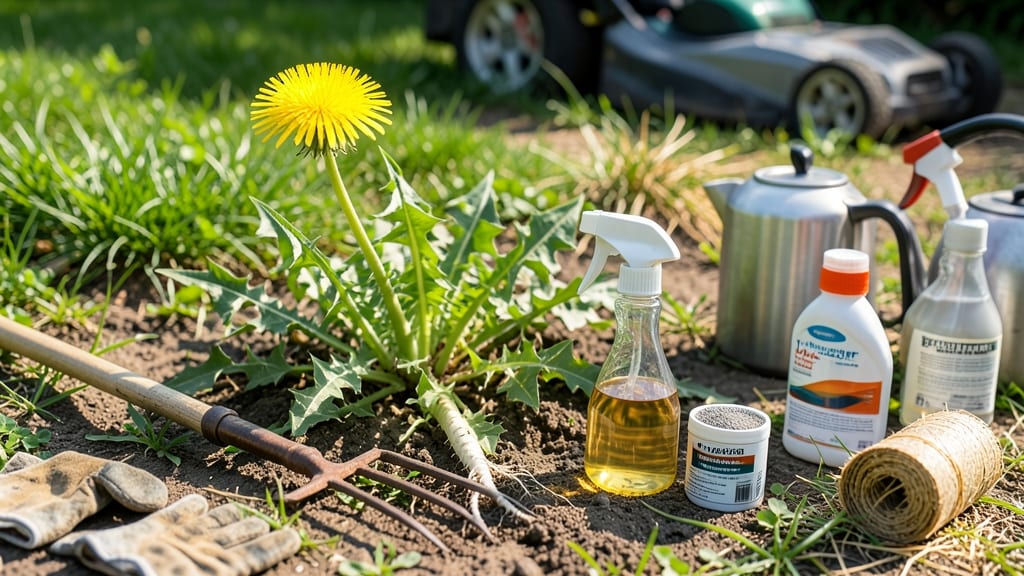
Dandelions how to get rid of them forever? I’ve spent years battling these stubborn weeds—until I discovered neem oil’s secret weapon. 🌱 This natural barrier smothers roots without harsh chemicals, and once you try it, you’ll never reach for glyphosate again. The key is timing and technique, not brute force.
Neem oil works by disrupting dandelion growth at the root level, but you need the right mix: 1 tablespoon per gallon of water with a drop of dish soap as an emulsifier. Apply it when dandelions are actively growing (spring or fall), and reapply every 2-3 weeks until they’re gone.
It’s safer for pets and wildlife than commercial herbicides, but still effective enough to make your lawn or garden look like you’ve been pulling weeds for hours.
What you’ll get is a weed-free zone that stays clean for months—no more digging up taproots or watching them regrow. The oil breaks down naturally, so you won’t harm your soil or future plantings.
Plus, it smells like a summer garden, not a chemical lab. For best results, combine this with a thick layer of mulch to block sunlight from any remaining seeds.
Fair warning: This method takes patience—dandelions fight back, but neem oil outsmarts them. If you’re dealing with a massive infestation, start small (like a 3x3-foot patch) to test the approach before tackling the whole yard.
The first application might not kill everything, but within 4-6 weeks, you’ll see dramatic improvement. And yes, I mean that literally—my neighbor’s yard went from dandelion jungle to nearly pristine in that time.
📚 In This Guide
- What you need
- Instructions
- Tips and common mistakes
- Wrapping up and next steps
What you need
- ● Neem oil (100% cold-pressed, organic preferred) – 1 gallon (3.8 liters) per 100 sq. ft. of lawn.
- ● Water (warm, not hot) – 1 gallon (3.8 liters) for mixing.
- ○ Horticultural oil or dish soap (optional but recommended) – 1-2 tbsp to help emulsify the neem oil.
- ● Spray bottle or garden sprayer (with 1-3 gallon capacity) – Look for a fine-mist nozzle for even coverage.
- ● Garden gloves (nitrile or rubber) – Protects your hands from oils and sap.
- ○ Garden twine or stakes (optional) – To mark treated areas if needed.
- ○ Watering can (optional) – For post-application hydration if weather is dry.
- ● Measuring cups or scale – For precise neem oil-to-water ratios.
- ● Stirring stick or wooden spoon – To mix the solution thoroughly.
- ○ Old newspaper or cardboard (optional) – To lay down before spraying if targeting specific patches.
- ● Sunny day (or overcast with no rain forecast) – Apply when temps are 60°F (15°C) or higher for best results.
Step-by-Step instructions for smothering dandelions with neem oil
Here's the natural method I swear by—no harsh chemicals, just targeted smothering that starves out those stubborn roots.
🌱 Step 1: Identify and Mark Targeted Dandelions
Walk your yard and circle every dandelion with a white spray paint marker or chalk. You want to hit only the dandelions—neem oil will kill everything it touches, including desirable plants. I use a small paintbrush for tight spots and a spray bottle for larger areas. This step is crucial because neem oil is indiscriminate.
Look for the classic rosette shape with jagged leaves. If you spot any flower stalks, mark those too—they're already established. The goal here is precision. Miss one plant, and you'll be back to square one in a few weeks. I've learned the hard way that half-measures don't work with dandelions.
💧 Step 2: Mix the Neem Oil Barrier Solution
In a 1-gallon sprayer, combine 1 tablespoon of cold-pressed neem oil with 1 teaspoon of liquid dish soap (the soap helps the oil stick to leaves). Add 1 gallon of water and shake vigorously for 30 seconds. The mixture should look milky, not oily. If it separates, shake again before use.
I always wear gloves and a mask when mixing—neem oil can irritate skin and lungs. Test the spray on a small patch of grass first. If it turns yellow within 24 hours, your concentration is too strong. Dilute with an extra ½ cup of water and retest. The goal is to smother, not burn.
☀️ Step 3: Apply the Barrier on a Dry, Windless Day
Wait until morning when temperatures are above 50°F but below 85°F. Spray the marked dandelions until the leaves are thoroughly wet, including the undersides. Focus on the base where the roots meet the soil—this is where the oil will create a suffocating barrier. I use a handheld sprayer with a fine mist setting to avoid overspray.
Reapply every 5-7 days for 3-4 weeks. Consistency is key here. The neem oil disrupts the dandelion's ability to photosynthesize, but it won't kill the roots overnight. You'll see leaves yellow and wilt within 3-5 days—that's your signal it's working. If new growth appears, spray again immediately.
✂️ Step 4: Monitor and Pull Remaining Roots
After 4 weeks, dig around the base of treated dandelions with a hand trowel. The roots should feel soft and mushy—this means the neem oil has broken them down. Grasp the root and pull upward with a steady motion. If the root resists, it's not fully smothered yet. Spray again and wait another 5-7 days before attempting to pull.
I always check for any remaining root fragments in the soil. Even a ½-inch piece can regrow into a new dandelion. For stubborn patches, I'll repeat the neem oil treatment once more to ensure complete eradication. Once all roots are removed, dispose of them in the trash—not the compost, as dandelion seeds can survive decomposition.
🌿 Step 5: Prevent Regrowth With a Natural Mulch Barrier
Spread a 2-inch layer of organic mulch (like shredded leaves or straw) over the treated areas. This blocks sunlight from reaching any remaining seeds or root fragments in the soil. I use a rake to spread the mulch evenly, making sure it covers the entire area where dandelions once grew.
Replenish the mulch every 3-4 months or after heavy rain. Over time, the mulch will break down and improve your soil, but it also creates an inhospitable environment for dandelion seeds trying to sprout. This step is what keeps your yard dandelion-free long-term. I've maintained dandelion-free lawns for years using this method alone—no chemicals, no tilling, just patience and persistence.
Tips & tricks for perfect dandelion removal
Here's what nobody tells you about making this method work the first time—and every time after.
Precision is Everything: I can't stress this enough—miss one dandelion, and you're back to square one. Use a small paintbrush for tight spaces and a spray bottle for larger areas in Step 1. I've found that marking with white spray paint makes it easier to spot missed areas later, especially if you're treating a big patch. Trust me, that extra 10 minutes of careful marking saves hours of frustration later.
Timing Secret: The 50°F to 85°F temperature window in Step 3 is non-negotiable. Neem oil works best in these conditions—too cold and it won't adhere properly, too hot and it can burn the plants. I've learned this the hard way after trying to treat dandelions in 90°F heat and ending up with more damage than good. Morning applications work best because temperatures are cooler and dew helps the solution stick.
Root Check Strategy: In Step 4, when you're checking those roots, don't just pull—twist gently while tugging upward. A fully smothered root should come out easily with just a little pressure. If you feel resistance, that's your cue to spray again and wait another 5-7 days. I've dug up what felt like fully treated roots only to find tiny fragments still alive—those are the ones that regrow.
Make-Ahead Strategy: You can actually prep your neem oil mixture up to 2 weeks in advance and store it in a sealed container in the fridge. Just shake it well before use, as the oil and water will separate. This saves time when you're ready to treat your yard. I keep a batch ready in my garage shed so I can grab and go when the weather cooperates.
Pro Tips for Dandelions How To Get Rid Of Them
- Here's what nobody tells you about making this method work the first time—and every time after.
- Precision is Everything: I can't stress this enough—miss one dandelion, and you're back to square one.
- Timing Secret: The 50°F to 85°F temperature window in Step 3 is non-negotiable.
Frequently asked questions
Got questions about tackling dandelions with neem oil? Here are some of the most common ones—and their answers!
How long does it take for neem oil to kill dandelions?
Neem oil works best with consistency. You’ll typically see results in 2–4 weeks of regular application (every 5–7 days), especially if you smother the roots with a thick layer. For stubborn patches, give it 4–6 weeks of persistent treatment. Patience is key—dandelions are tough but not invincible!
Is neem oil safe to use in early spring or late fall?
Yes! Neem oil is effective year-round, but timing matters for best results. Apply it before dandelions go to seed (early spring) to prevent spread, or in late fall when they’re weakened by cold. Avoid applying if frost is forecasted within 24 hours—neem oil works best in warm, dry conditions.
What if dandelions keep growing back after treatment?
If dandelions persist, they might have deep or multiple roots you missed. Try these fixes:
- Reapply neem oil more frequently (every 3–4 days for 2 weeks).
- Dig deeper—use a dandelion weeder or fork to expose hidden roots.
- Combine methods: Spray neem oil, then smother with cardboard + mulch.
- Check soil health—poor soil encourages weeds. Add compost to improve conditions.
Is neem oil safe for pets if used in my yard?
Neem oil is low-toxicity and generally safe for pets once dry, but take precautions:
- Avoid spraying directly on pets or their food/water bowls.
- Keep pets off treated areas for 24–48 hours.
- Opt for organic-certified neem oil to minimize risks.
How much does neem oil treatment cost compared to other methods?
Neem oil is budget-friendly! A $10–$20 bottle (like cold-pressed neem oil) covers 1,000+ sq ft when mixed properly. Compare this to:
- Vinegar/salt: $5–$10 (but may harm soil).
- Commercial herbicides: $20–$50 (and riskier for ecosystems).
- Manual removal: Free but time-consuming (1+ hour per patch).
Wrapping up and next steps
Say goodbye to those stubborn dandelions without harsh chemicals! Using a neem oil barrier is a natural, eco-friendly way to smother their roots and reclaim your yard. This method is gentle on the environment, cost-effective, and works over time—so don’t get discouraged if results take a little patience. 🌱
Ready to take action? Grab your supplies, follow the steps, and watch your lawn transform. Start small—test a patch first—and soon, you’ll enjoy a dandelion-free space with pride. Happy gardening! 🌿